
Quick answer
The best time to visit Sri Lanka depends on where you're going. The south and west coasts and the Cultural Triangle are best roughly December to April, when the southwest is dry; the east and north coasts are best roughly May to September. The hill country can be cool and misty year-round but is clearest December to March. December to March is the most popular all-round window, but you can have a great trip any month by choosing the right region.
Key takeaways
- Two monsoons hit opposite coasts at opposite times, so one coast is almost always in season.
- South & west coasts + Cultural Triangle: best ~December–April.
- East & north coasts: best ~May–September.
- Hill country: cool and changeable year-round, clearest ~December–March.
- December–March is peak season (and priciest); shoulder months offer value.
Understanding Sri Lanka's two monsoons
Sri Lanka sits in the path of two monsoon systems. The southwest ('Yala') monsoon brings rain to the south, west, and hills from roughly May to September. The northeast ('Maha') monsoon brings rain to the east and north from roughly October/November to January or February.
Because they strike opposite coasts at opposite times, the island always has a 'dry side'. Plan around that and you can travel almost any month with great weather.
South & west coasts and the Cultural Triangle
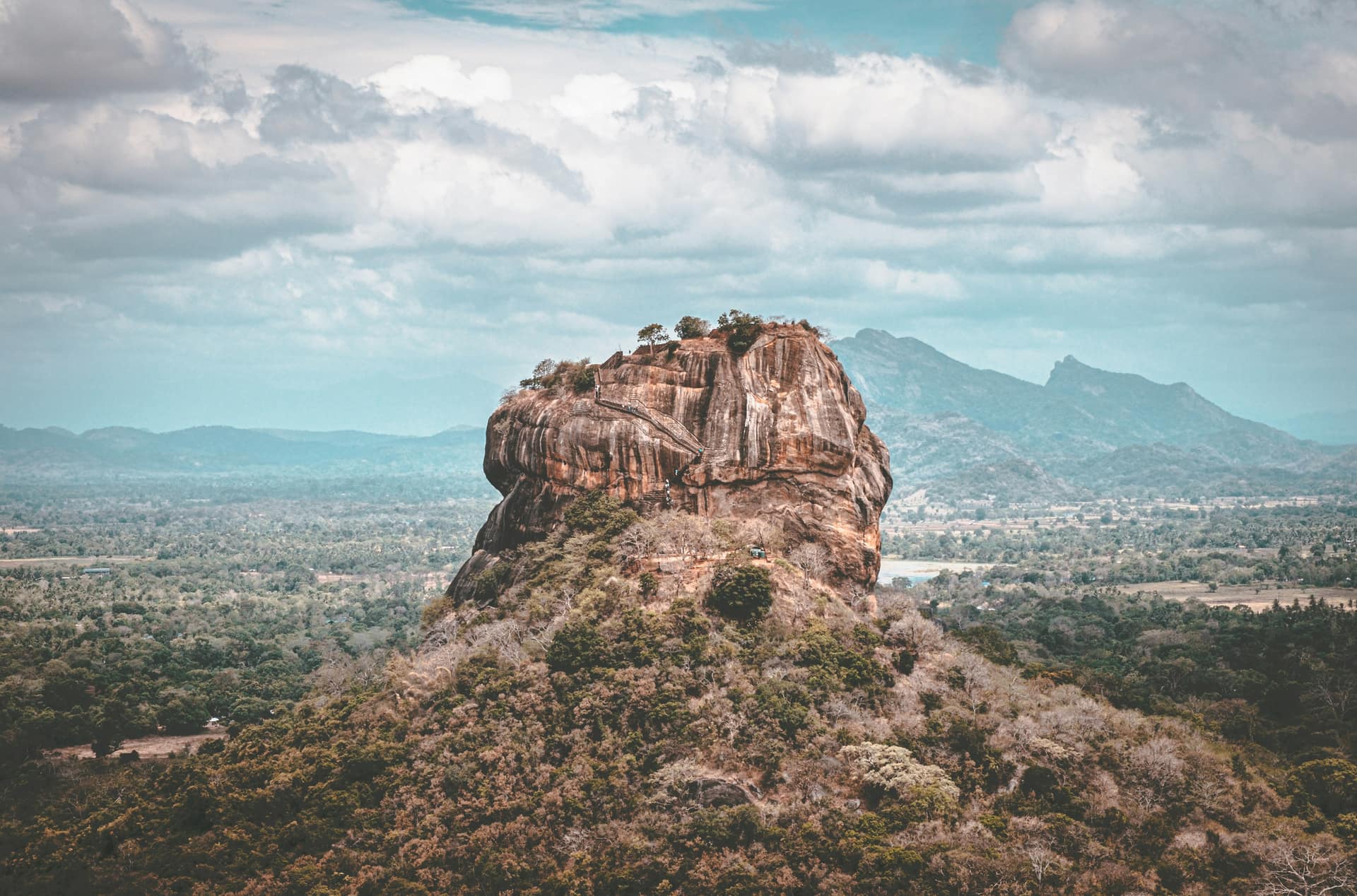
The classic Sri Lanka trip (Cultural Triangle, hills, and south-coast beaches) is best from about December to April, the southwest's dry window. This is when Unawatuna, Mirissa, and Bentota shine, whale watching runs off Mirissa, and Sigiriya and the ancient cities are at their most comfortable (still hot, so go early).
It's also peak tourist season, so book stays and trains ahead, especially around Christmas, New Year, and the April holidays.
East & north coasts
When the south is wet, head east. Roughly May to September is the dry, calm season for Trincomalee's Nilaveli beaches, Pasikuda, Pigeon Island snorkelling, Arugam Bay surf, and the cultural north around Jaffna. The east is quieter and wilder than the south in its season.
This window also overlaps the Esala Perahera and the Minneriya elephant Gathering, two of the island's great spectacles.
The hill country and wildlife seasons
Tea country (Nuwara Eliya, Ella) is cool and atmospheric year-round but mist and rain can appear any month; the clearest trekking days tend to fall December to March. Adam's Peak's lit pilgrimage season runs about December to May.
For wildlife, Yala's drier safari months run roughly February to July (with a usual September closure), while the Minneriya/Kaudulla elephant Gathering peaks July to September.
- →Hill country clearest: ~December–March
- →Yala safaris: ~February–July (check seasonal closures)
- →Elephant Gathering (Minneriya): ~July–September
- →Whale watching: Mirissa ~Nov–Apr, Trincomalee ~May–Oct
A quick month-by-month steer
December–March: prime time for the south, west, hills, and Cultural Triangle: sunny, busy, and the all-round sweet spot. April: hot, with the New Year holidays and shoulder-season value before the southwest monsoon builds.
May–September: go east and north (Trincomalee, Arugam Bay, Jaffna), catch the Esala Perahera and the elephant Gathering. October–November: inter-monsoon transition with scattered rain island-wide. This is the quietest and best-value window, and a fine time for the Cultural Triangle between showers.
Planning around the season (and the festivals)
Pick your dates first, then let them choose your regions: a December–April trip naturally flows Cultural Triangle → hills → south coast, while a May–September trip flows Cultural Triangle → east coast → north. Add festivals you want to catch; just confirm their lunar dates and book early.
Lankan Stays & Trails routes every itinerary around the season so you're always on the island's dry side, with sensible pacing and the right experiences for the month.
Frequently asked questions
What is the best time to visit Sri Lanka?
December to April for the south and west coasts, hills, and Cultural Triangle; May to September for the east and north coasts. December to March is the most popular all-round window, but you can have a great trip any month by choosing the in-season region.
What is the best month to visit Sri Lanka?
For a classic south-and-hills trip, February and March are reliably dry and sunny. For the east coast, July and August are excellent. April and October–November are quieter, better-value shoulder months with more changeable weather.
When is the rainy season in Sri Lanka?
It depends on the coast. The southwest (south, west, hills) is wettest roughly May to September; the northeast (east, north) is wettest roughly October/November to January or February. October–November is a changeable inter-monsoon period island-wide.
When is the best time for the east coast and Arugam Bay?
Roughly May to September, when the east coast enjoys its dry, calm season, ideal for Trincomalee's beaches, Pigeon Island, and Arugam Bay surf (which peaks around May to October).
When can you see whales and elephants in Sri Lanka?
Whale watching runs off Mirissa roughly November to April and off Trincomalee roughly May to October. The famous Minneriya elephant 'Gathering' near Habarana peaks July to September as the tank recedes.
Is it worth visiting Sri Lanka in the off-season?
Yes. There isn't really a bad time, just a wetter coast. Shoulder and inter-monsoon months (April, October–November) bring fewer crowds and better value, with rain often arriving in short afternoon bursts rather than all day.
Does Lankan Stays & Trails plan around the seasons?
Always. We route every private itinerary to keep you on the island's dry side for your dates, with sensible pacing and the right seasonal experiences: safaris, whales, festivals, and beaches. Share your dates for a tailored plan.