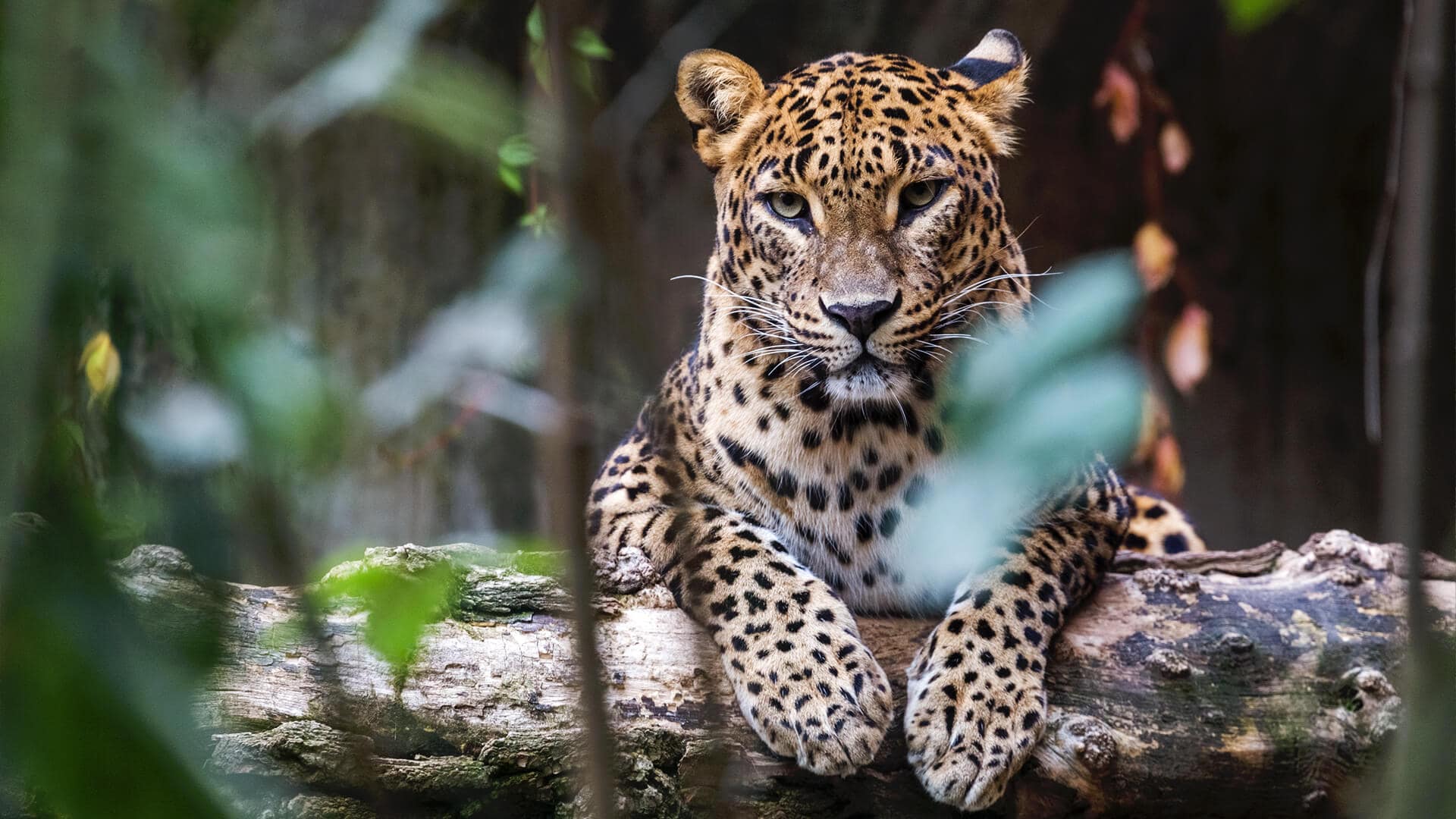
Quick answer: what is Yala?
Yala (Ruhunu National Park) in southeastern Sri Lanka is famous for leopard, elephant, sloth bear, and birdlife across scrub and coastal lagoons. Visit during dry months (roughly February to July) for better track visibility, stay near Kirinda or Tissamaharama, and join regulated jeep safaris with licensed drivers. Combine Yala with Galle or the hill country on a seven-to-ten-day loop.
Region: Wild South · Sri Lanka · Typical overnight low ~23°C (long-term climate norm)
Top experiences in Yala
- Morning and afternoon jeep safaris in designated park blocks
- Leopard tracking with patient, rule-following drivers
- Birding for migrants and endemic species near lagoons
- Visit Bundala or Udawalawe on multi-park routes when time allows
- Sunset at Kirinda beach or Tissa tank landscapes
- Community meals with guides who live beside the park
Why Yala draws wildlife travelers
Yala Block I offers the highest leopard density marketing in Asia, but sightings are never guaranteed. Ethical safaris prioritize distance, engine-off waiting, and park rules over chasing cats at speed.
The landscape mixes open glades, rocky outcrops, and coastal edges, supporting elephants, crocodiles, deer, and rich birdlife year-round with seasonal peaks.
How safaris work and what good practice looks like
Jeep entry requires park tickets and licensed guides. Typical slots are dawn (best light and activity) and late afternoon. Midday heat reduces wildlife movement.
Choose operators who limit vehicle numbers at sightings, refuse feeding, and employ spotters paid fair wages. Lankan Stays & Trails audits partner behaviour regularly.
- Book park permits in advance in peak season
- Carry sun protection, dust mask, and neutral clothing
- No flash photography; keep voices low near animals
- Stay inside vehicles except at approved stops
Yala and nearby protected areas
Bundala’s wetlands complement Yala for birds. Udawalawe suits elephant-focused half days. We sequence parks to avoid back-to-back 5:00 a.m. starts without rest nights.
Best time for Yala safaris
Dry season from roughly February to July concentrates animals near water and improves track visibility. Park closures can occur in September for maintenance; verify dates annually.
- February to July: peak safari demand; book jeeps early
- September: possible park closure (check official notices)
- Monsoon months: greener landscape, fewer visitors, muddy tracks
- Dawn entries are coldest in open jeeps; bring a light jacket
- Full moon and holidays increase local visitor traffic
How to get to Yala
Most travelers reach Yala by road from Galle (roughly four hours), Ella (roughly three to four hours), or Colombo (roughly five to six hours). Tissamaharama (Tissa) is the main service town for supplies and alternate hotels.
- →Nearest major airport: Mattala or Colombo with transfer
- →Stay clusters: Kirinda coast, Tissa town, luxury camps near park gates
- →No trains directly to park gates; road transfer required
- →Combine with south-coast beaches before or after safari nights
Practical safari tips
- Expect dust; protect cameras and phones
- Toilet breaks are limited inside the park; plan before entry
- Children should be able to sit still for multi-hour drives
- Tips for driver and spotter are customary; ask your operator
- Do not request off-road driving; fines and harm risk follow
- Leopard sightings are luck; plan at least two drives if budget allows
Responsible wildlife tourism in Yala
Overtourism stresses leopards when too many jeeps surround one animal. We cap drive frequency per itinerary and favour operators who rotate zones and honour park speed limits.
Never litter in the park, and avoid properties that fence wild corridors. Community benefit agreements with local guides keep tourism income near Yala villages.
Frequently asked questions about Yala
What are the chances of seeing a leopard in Yala?
Yala offers some of the best leopard odds in Sri Lanka, yet sightings vary daily. Two drives improve probability. Patience and ethical waiting beat racing between reports.
How long should I stay near Yala?
Two nights allow one afternoon and one morning drive. Three nights suit photographers and birders adding Bundala or Udawalawe.
Is Yala suitable for children?
Children who enjoy long jeep rides do well. Bring snacks, sun hats, and entertainment for waits. Very young kids may find dawn starts difficult.
What is Yala Block 1?
Block I is the most visited zone for leopards and coastal scrub habitat. Other blocks open on schedules; your operator should explain daily allocations.
Can I walk inside Yala National Park?
General tourists explore by jeep on marked tracks. Walking safaris are rare and tightly regulated; do not enter on foot without authorized programs.
How much does a Yala safari cost?
Costs include park tickets, jeep hire, guide fees, and transfer from your lodge. Prices rise in peak season. We quote transparent packages without hidden park fees.
When is Yala National Park closed?
Short maintenance closures have occurred around September in past years. Confirm with official Department of Wildlife Conservation notices before booking.
Does Lankan Stays & Trails book Yala safaris?
Yes, with vetted operators, realistic expectations, and pairing to Galle or hill-country routes on private itineraries.
Plan your Yala journey
Tell us your dates, fitness level, and travel style. Our Colombo team will craft a mindful Cultural Triangle itinerary with ethical partners.