
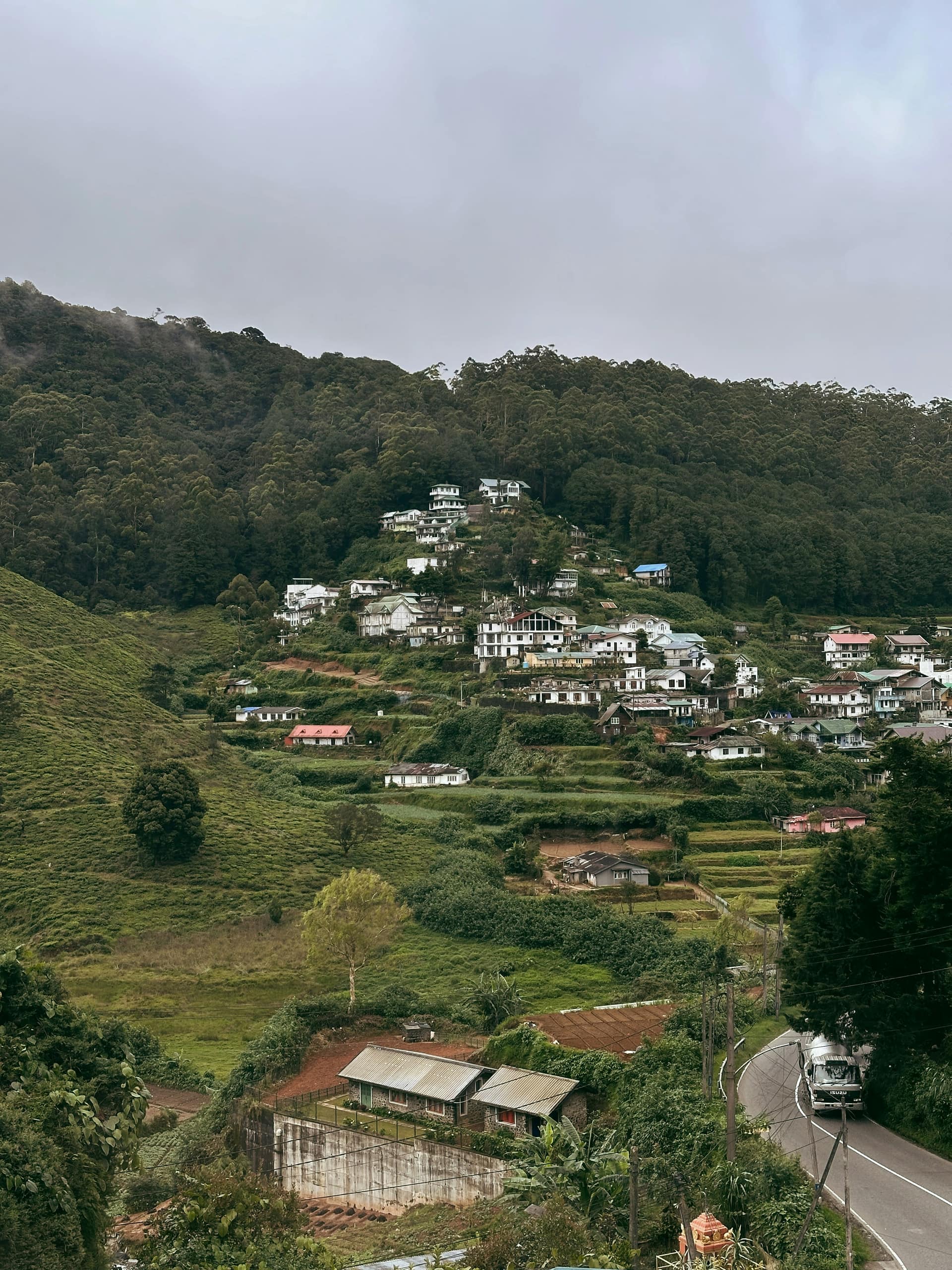
Quick answer
Ceylon tea is the world-famous black tea grown in Sri Lanka's hill country, introduced in the 1860s after coffee blight and now central to the island's identity. It's graded by elevation: high-grown (above ~1,200 m, around Nuwara Eliya) is bright and delicate; mid-grown is fuller; and low-grown is strong and dark. You can tour working estates and factories (seeing plucking, withering, rolling, oxidation, and grading) and taste at the source around Nuwara Eliya, Ella, Hatton, and Kandy.
Key takeaways
- Ceylon tea is Sri Lanka's famous hill-country black tea, grown since the 1860s.
- It's graded by elevation: high-grown (bright), mid-grown (full), low-grown (strong).
- Estate and factory tours show plucking, withering, rolling, oxidation, and grading.
- Best tasted at the source around Nuwara Eliya, Ella, Hatton, and Kandy.
- Buy loose-leaf direct, and look for estates that treat workers fairly.
The story of Ceylon tea
Sri Lanka's hills were once coffee country, until a blight in the 1860s wiped out the crop. Planters, most famously James Taylor and later Thomas Lipton, turned to tea, and the cool, misty highlands proved perfect. Within decades 'Ceylon tea' was a global brand, and it remains one of the island's defining exports and a major employer.
Today's tea country is a working landscape: pluckers on the slopes, factories humming in season, and estate bungalows now welcoming travellers.
High-grown, mid-grown, low-grown
Elevation shapes the cup. High-grown teas (above about 1,200 m, around Nuwara Eliya) are bright, brisk, and delicate. Mid-grown teas are fuller and rounded, while low-grown teas (from the southern foothills) are strong, dark, and robust, favoured in many export blends.
Tasting across elevations is the quickest way to understand why Ceylon tea is so varied.
- →High-grown (~Nuwara Eliya): bright and delicate
- →Mid-grown: fuller-bodied
- →Low-grown: strong and dark
- →White and silver-tip teas are rarer specialities
Touring an estate and factory
A factory tour walks you through the process (withering the plucked leaf, rolling, oxidation, drying, and grading), usually ending with a tasting. Visiting a working estate (rather than a roadside shop) connects the cup to the hillside and the people who make it.
Ask questions about plucking, grades, and fair treatment of workers, and seek consent before photographing pluckers.
Where to experience tea country
Nuwara Eliya ('Little England') is the high-grown heart, with estates like Pedro and Labookellie nearby; Ella and the Hatton/Dickoya area (near Adam's Peak) offer stunning estates and bungalow stays; and there are gardens within reach of Kandy too. The scenic Kandy–Ella train threads right through it all.
Staying in a restored tea-estate bungalow is the most atmospheric way to soak it up.
Planning a tea-country visit
Build a factory tour and tasting into a hill-country leg, ideally with a scenic train ride and a night in an estate bungalow. Buy loose-leaf tea direct from estates to support local producers, and favour those with fair labour practices.
Lankan Stays & Trails arranges estate tours, tastings, and bungalow stays with train legs. See our tea-country and Nuwara Eliya guides, or share your dates.
Frequently asked questions
What is Ceylon tea?
Ceylon tea is the black tea grown in Sri Lanka's hill country, world-famous since the late 1800s. It's graded by elevation: high-grown (bright and delicate), mid-grown (fuller), and low-grown (strong and dark). It remains central to the island's economy and identity.
Where is the best tea country in Sri Lanka?
Nuwara Eliya is the high-grown heart, with Ella and the Hatton/Dickoya area (near Adam's Peak) offering beautiful estates and bungalow stays, plus gardens near Kandy. The scenic Kandy–Ella train runs right through it.
Can you tour a tea factory in Sri Lanka?
Yes. Working estates near Nuwara Eliya, Ella, and Hatton offer factory tours showing withering, rolling, oxidation, and grading, usually ending with a tasting. Visiting an estate connects the cup to the hillside.
What's the difference between high-grown and low-grown Ceylon tea?
High-grown teas (above about 1,200 m, around Nuwara Eliya) are bright, brisk, and delicate; low-grown teas from the foothills are strong and dark. Mid-grown sits in between, fuller-bodied. Elevation is the key to Ceylon tea's variety.
Should I buy tea directly from the estate?
Yes where you can: buying loose-leaf tea directly from estates supports local producers and gets you fresher, better-value tea than airport shops. Favour estates with fair labour practices.
Does Lankan Stays & Trails arrange tea-country experiences?
Yes. Estate tours, tastings, scenic train legs, and stays in restored tea bungalows, woven into a hill-country itinerary. Share your dates for a tailored plan.