
Quick answer
The Dambulla Cave Temple (the Golden Temple) is a UNESCO World Heritage site in Sri Lanka's Cultural Triangle: five caves carved beneath a vast rock overhang, holding around 150 Buddha statues and richly painted murals dating back over two millennia. It's a short but steep climb to the cave entrances, and as an active place of worship requires modest dress (shoulders and knees covered) and bare feet inside. It sits about 20 minutes from Sigiriya, making the two an easy combined visit.
Key takeaways
- Dambulla is Sri Lanka's largest, best-preserved cave temple, a UNESCO site.
- Five caves hold ~150 Buddhas and vivid centuries-old ceiling murals.
- It's an active temple: cover shoulders and knees, and go barefoot inside.
- A short but steep climb leads to the cave entrances.
- Only ~20 minutes from Sigiriya, easy to combine the two.
The history of Dambulla
Dambulla's caves have been a sacred refuge since the 1st century BCE, when King Valagamba is said to have sheltered here in exile and later converted the caves into a temple. Successive kings expanded and embellished them, leaving a layered masterpiece of statues and murals that still serves as a living monastery.
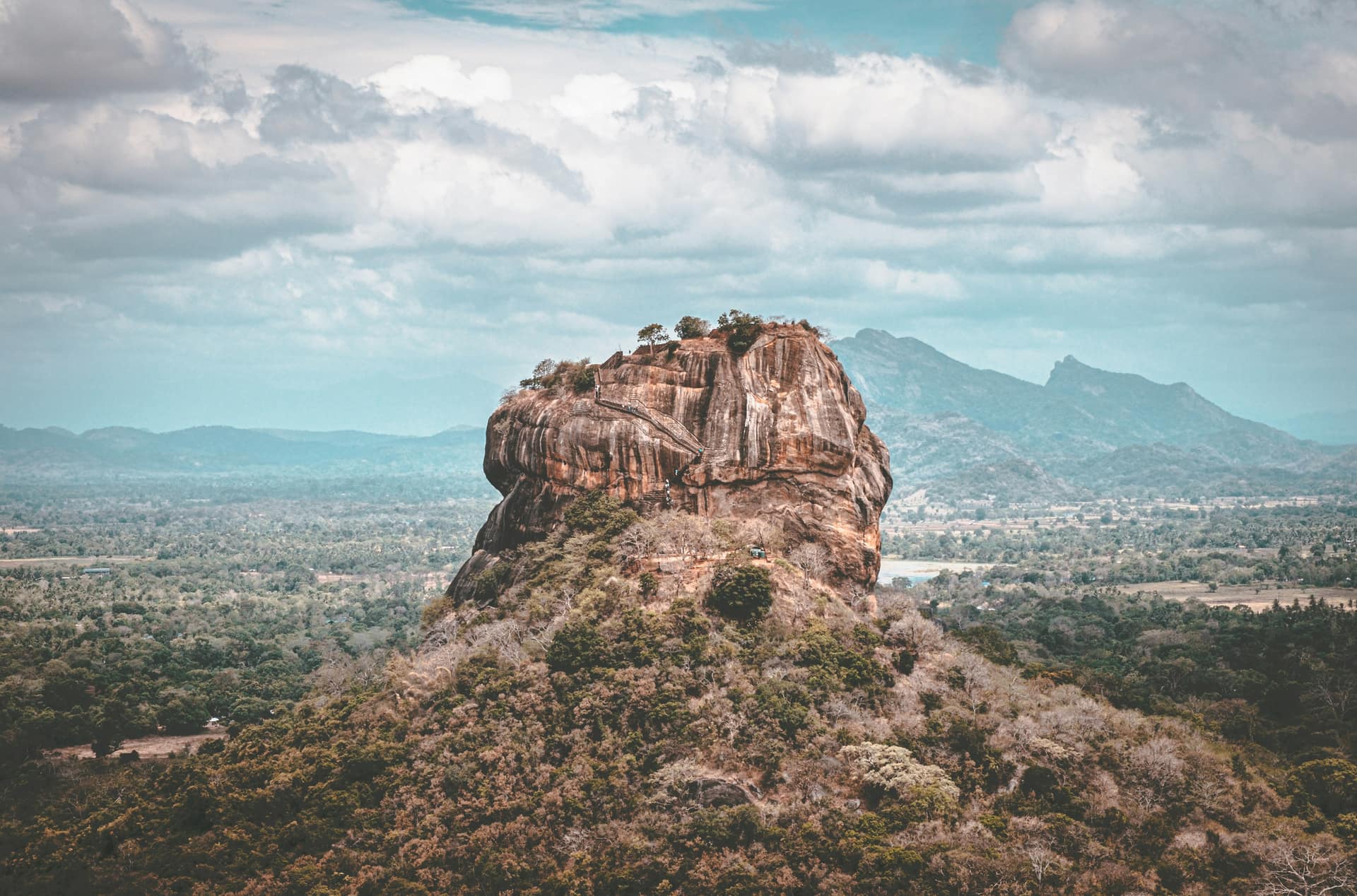
It's one of the Cultural Triangle's essential stops, complementing the grand rock of Sigiriya with intimate, painted devotion.
The five caves
Each cave has its own character. The largest, the Cave of the Great Kings, is a vast chamber lined with Buddhas and a ceiling painted with thousands of figures that follow the rock's contours. Others hold a serene reclining Buddha, statues of kings and deities, and a spot where water drips perpetually from the ceiling and is collected as sacred.
Take your time. The artistry rewards a slow, quiet look.
- →Cave of the Divine King: a reclining Buddha carved from rock
- →Cave of the Great Kings: the largest, with painted ceilings
- →Statues of Buddhas, kings, and Hindu deities
- →A perpetual sacred water drip in one cave
Visiting: climb, tickets & etiquette
A flight of steps climbs the rock to a terrace fronting the caves (around 10–20 minutes up). You buy a ticket at the complex (a separate foreigner rate that may change, so confirm the current fee), remove shoes and hats before entering, and dress modestly with shoulders and knees covered. Watch for monkeys, and don't pose with your back to Buddha images.
The flagship golden Buddha statue and museum sit at the base, but the ancient caves above are the real treasure.
Combining with Sigiriya & the Triangle
Dambulla lies about 20 minutes from Sigiriya, so the classic plan pairs them (Sigiriya for the climb and views, Dambulla for the painted caves), often with Sigiriya at dawn and Dambulla later, or vice versa. Both fit easily into a Cultural Triangle base at Sigiriya, Dambulla, or Habarana.
Add an ancient city (Polonnaruwa or Anuradhapura) and the Minneriya safari for a complete heritage-and-wildlife loop.
Planning your visit
Go earlier or later to avoid the heat on the climb and the open terrace, carry water, and bring a scarf or sarong for the dress code. A guide illuminates the symbolism in the murals and statues that's easy to miss.
Lankan Stays & Trails pairs Dambulla with Sigiriya and the ancient cities, with an expert guide. See our Sigiriya and Cultural Triangle guides, or share your dates.
Frequently asked questions
What is the Dambulla Cave Temple?
It's Sri Lanka's largest and best-preserved cave temple, a UNESCO World Heritage site of five caves beneath a rock overhang, holding around 150 Buddha statues and richly painted murals dating back over two thousand years. It remains an active monastery.
What is the dress code for Dambulla Cave Temple?
As an active place of worship, you must cover your shoulders and knees and remove shoes and hats before entering the caves. Carry a scarf or sarong, and avoid posing with your back to Buddha images.
How long does it take to visit Dambulla?
Allow around one to one and a half hours, including the 10–20 minute climb to the caves and time to appreciate the statues and murals. It's a shorter visit than Sigiriya and pairs well with it.
How far is Dambulla from Sigiriya?
About 20 minutes by road, which is why the two are almost always visited together: Sigiriya for the rock fortress and views, Dambulla for the painted caves, both from a Cultural Triangle base.
Is there an entry fee for Dambulla Cave Temple?
Yes, foreign visitors pay an entry ticket (a separate rate from locals) bought at the site, and the price is periodically updated, so confirm the current fee before you go.
Does Lankan Stays & Trails include Dambulla?
Yes, we pair Dambulla with Sigiriya and the ancient cities, with an expert guide to interpret the murals and statues. Share your dates for a tailored Cultural Triangle itinerary.