
Quick answer
Sri Lanka is an increasingly popular digital-nomad base, especially the south-coast surf towns (Weligama, Ahangama, Hiriketiya) and hill-country Ella, with Colombo for city amenities. It offers a low cost of living, a growing café and co-working scene, and decent 4G mobile data (buy a local SIM with a generous data package). Power cuts and variable wi-fi mean a mobile-data backup is wise. Tourist-visa length limits long stays, so check current visa rules and any longer-stay options before basing yourself there.
Key takeaways
- Top nomad bases: the south-coast surf towns, Ella, and Colombo.
- Low cost of living and a growing café/co-working scene.
- Buy a local SIM with lots of data. 4G is widely decent.
- Have a mobile-data backup for power cuts and patchy wi-fi.
- Check current visa rules; the tourist visa limits long stays.
The best bases
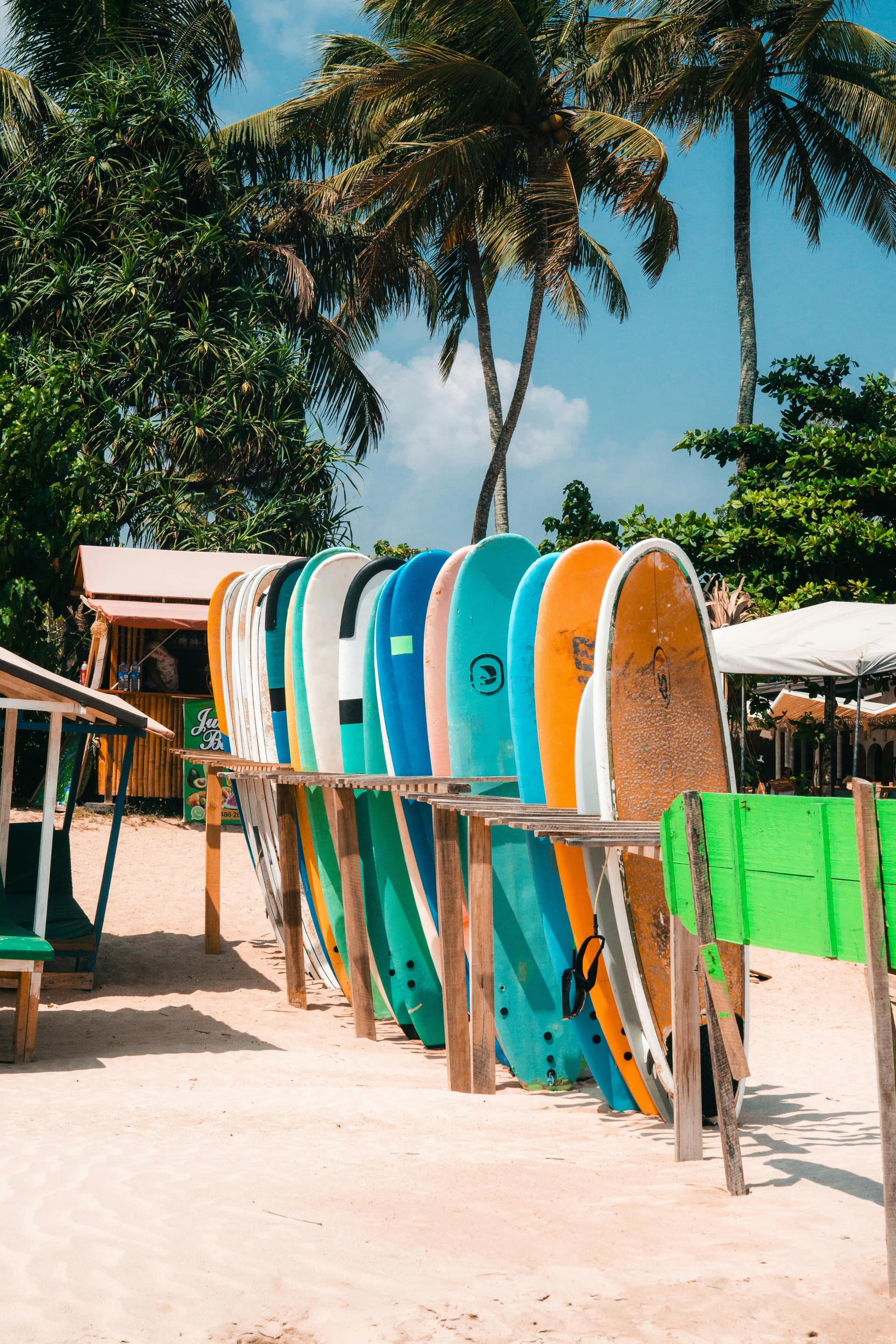
The heart of the nomad scene is the south coast (Weligama, Ahangama, Midigama, and Hiriketiya), where surf, cafés, co-working spots, and a sociable community cluster (best November to April). Ella offers a cooler, greener hill-country base with cafés and hiking, while Colombo provides the fastest infrastructure, co-working spaces, and city comforts. In the May–September season, the east (Arugam Bay) draws the surf-nomad crowd.
Many nomads split time between a beach base and a hill or city stint.
- →South coast (Weligama, Ahangama, Hiriketiya): surf + community
- →Ella: cooler, green hill-country base
- →Colombo: best infrastructure and co-working
- →Arugam Bay (east) in the May–September season
Internet & connectivity
Mobile 4G data is widely decent and cheap. Buy a local SIM (Dialog or Mobitel) with a large data package on arrival, which is the most reliable way to stay online. Café and accommodation wi-fi varies from good to patchy, so a mobile-data hotspot as backup is essential for calls and deadlines. Co-working spaces in the nomad hubs offer more reliable connections and desks.
Scheduled power cuts can occur, so a power bank and laptop charge buffer help.
Cost of living & lifestyle
Sri Lanka is affordable by Western standards: long-stay guesthouses and apartments, cheap local food, and inexpensive transport make a comfortable nomad life accessible. The lifestyle is the draw: surf, yoga, hikes, wildlife, and beaches on your doorstep, with a friendly, laid-back community in the hubs.
Balance work and play by choosing a base with both good wi-fi and the activities you want.
Visas & practicalities
Most visitors enter on a tourist visa (ETA), which limits how long you can stay; extensions may be possible, and any dedicated longer-stay or nomad options change over time, so check the official immigration site for current rules before planning a long stint. Sort travel insurance, keep cash for rural areas, and respect local customs and the Poya-day alcohol rule.
Working remotely on a tourist visa is a grey area in many countries, so understand the rules that apply to you.
Planning a nomad stint
Pick a base for the season, secure a reliable SIM and a backup plan for connectivity, and build in time to actually explore the island beyond your laptop: the Cultural Triangle, wildlife parks, and tea country are all within reach for weekends.
Lankan Stays & Trails can help with airport pickups, longer-stay accommodation, and weekend trips around your work base. See our SIM/internet and best-time guides, or share your plans.
Frequently asked questions
Is Sri Lanka good for digital nomads?
Yes, it offers a low cost of living, a warm community, and an outdoor lifestyle, with growing café and co-working scenes in the south-coast surf towns, Ella, and Colombo. Decent 4G data makes remote work feasible, with sensible backups.
Where are the best digital-nomad bases in Sri Lanka?
The south-coast surf towns (Weligama, Ahangama, Hiriketiya) and Ella in the hills are the most popular, with Colombo offering the best infrastructure. In the May–September season, Arugam Bay on the east coast draws the surf-nomad crowd.
What is the internet like in Sri Lanka for remote work?
Mobile 4G data is widely decent and cheap: a local SIM with a large data package is the most reliable option. Café and accommodation wi-fi varies, so a mobile hotspot backup is essential, and occasional power cuts mean a power bank helps.
Can I work remotely in Sri Lanka on a tourist visa?
Most nomads enter on the tourist visa (ETA), which limits stay length, and working remotely on it is a grey area in many countries. Check current visa rules and any longer-stay options on the official immigration site before planning a long stint.
How much does it cost to live in Sri Lanka as a nomad?
It's affordable by Western standards. Long-stay guesthouses or apartments, cheap local food, and inexpensive transport make a comfortable remote-work life accessible, though costs rise with Western-style comforts and beachfront locations.
Can Lankan Stays & Trails help digital nomads?
Yes, we can help with airport pickups, longer-stay accommodation in good bases, and weekend trips to the Cultural Triangle, wildlife parks, or tea country around your work. Share your plans for tailored support.