
Quick answer
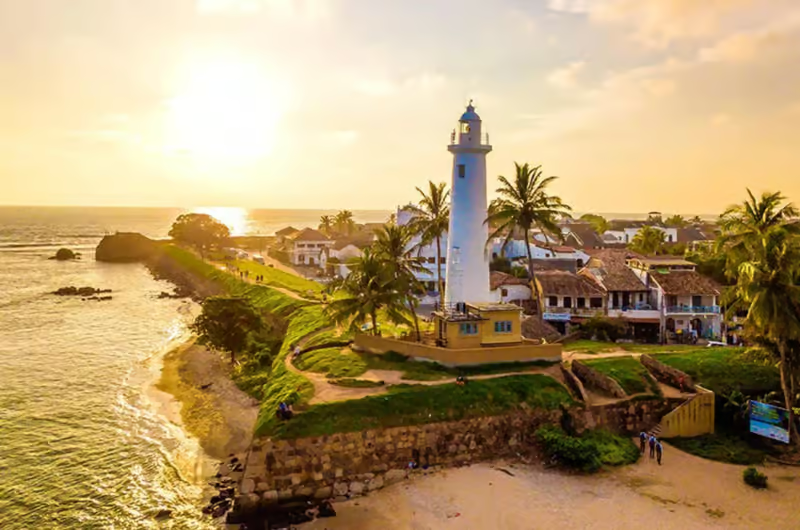
The best shopping on a luxury 7-day Sri Lanka itinerary is in Galle Fort on day 7, with handloom textiles, contemporary design, tea and jewellery within a few streets. For gems, buy only from an established jeweller who supplies an independent laboratory certificate, and have significant stones checked. Sri Lanka is known for blue sapphires, padparadscha and star sapphires. Decline unrequested stops at gem showrooms, spice gardens and batik factories, which pay commission to drivers.
Key takeaways
- Sri Lanka is one of the world's oldest sources of sapphires, with mining centred on Ratnapura.
- Blue, yellow, pink and padparadscha sapphires, star stones and moonstones are all mined in Sri Lanka.
- A reputable jeweller provides a certificate from an independent gemmological laboratory for any significant stone.
- Galle Fort has the densest group of design, textile and jewellery shops on the luxury week's route.
- Coral, shells, ivory and antiques over a set age cannot legally be taken out of Sri Lanka without a permit.
Where the week leaves time to shop
Gems and shopping on a luxury 7-day Sri Lanka itinerary have to fit around sights and transfers. The realistic windows are an hour in Kandy on the afternoon of day 3, and two hours in Galle Fort after lunch on day 7.
Galle is the better of the two. The shops are small, close together and owned by designers. Kandy has good handicrafts and gems, along with heavy traffic and more pressure to buy. A Colombo night, if you have one, adds the island's best boutiques.
- →Day 3, Kandy: crafts and gems, limited time.
- →Day 7, Galle Fort: the main chance.
- →Colombo, if included: design, fashion, books.
What Sri Lanka's gems are
Sri Lanka has produced gemstones for at least two thousand years. Most are found in river gravels around Ratnapura, in the south-west, and brought up by hand from shallow pits. The island is best known for sapphires in many colours.
Blue sapphire is the classic. Padparadscha, a rare pinkish orange, is the most prized and the most imitated. Star sapphires show a six-rayed star under a single light. Moonstone, mined near Ambalangoda on the south-west coast, is inexpensive and a good choice for a modest gift.
- →Blue sapphire: cornflower to deep royal blue.
- →Padparadscha: pink-orange, rare, needs a strong certificate.
- →Star sapphire and star ruby: cut as domes.
- →Moonstone: affordable, from the south-west coast.
How to buy a gemstone safely
Buying a sapphire in Sri Lanka can be sound, and it requires care. Most stones are heat-treated to improve colour, which is accepted practice and must be disclosed. Unheated stones cost several times more. Synthetic and glass-filled stones are also sold to the unwary.
Insist on a certificate from an independent laboratory, not one issued by the shop. Pay by credit card, keep the receipt with the stone's weight and treatment stated, and do not buy on the first visit if the sum is large. The state gem authority in Colombo has offered testing to visitors.
- →Ask whether the stone is heated or unheated, in writing.
- →Require an independent laboratory report.
- →Pay by card and keep every document.
- →Walk away from any story about resale profit at home.
Beyond gems: what is worth buying
The best purchases in Sri Lanka are often not gems. Handloom cotton in strong colours, made into sarongs, table linen and soft toys, is distinctive and well made. Contemporary design shops in Galle and Colombo sell ceramics, lacquerwork and homeware by local makers.
Tea bought at an estate is fresher than any at the airport. True cinnamon, grown in the south, is sold as quills and oil. Carved wooden masks from Ambalangoda and handmade lace from Galle are traditional crafts with real skill behind them.
Stops to refuse
Three kinds of stop appear on Sri Lankan itineraries for reasons of commission. Gem museums on the Kandy road show a film about mining and then seat you in a showroom. Spice gardens near Matale offer a tour, a massage and a table of overpriced remedies. Batik and woodcarving factories work the same way.
A chauffeur-guide on a luxury itinerary should not suggest these. If one does, say no pleasantly. Anything sold at such places can be found elsewhere, at a fair price, without a salesman at your elbow.
Taking it home
Export rules are simple for ordinary purchases. Gems and jewellery bought from licensed dealers leave freely with a receipt. Antiques need a permit from the Department of Archaeology, and coral, shells, ivory and wildlife products are prohibited.
Lankan Stays & Trails does not take commission from shops and tells guests so. If you intend to buy a serious stone, say so before the trip, and time can be set aside in Colombo with a jeweller of long standing instead of an hour snatched in Kandy.
Frequently asked questions
Is it safe to buy gems in Sri Lanka?
Yes, from established jewellers who provide an independent laboratory certificate and a detailed receipt. It is risky at tourist showrooms reached by a driver's suggestion, and from anyone on the street. For large purchases, have the stone tested before paying.
Are sapphires cheaper in Sri Lanka?
They can be somewhat cheaper than at retail in Europe or North America, because you are closer to the source. Fine stones are priced on an international market, so do not expect a bargain. A price far below market usually signals a problem.
What is a padparadscha sapphire?
Padparadscha is a rare sapphire with a delicate mix of pink and orange, named after the lotus flower. Sri Lanka is its classic source. Because it is valuable and often imitated, buy only with a report from a recognised international gemmological laboratory.
What are the best things to buy in Sri Lanka?
Ceylon tea from an estate, true cinnamon, handloom textiles, contemporary ceramics and homeware, moonstone jewellery, wooden masks and handmade lace. For higher budgets, certified sapphires. Galle Fort and Colombo have the best shops.
Should I visit a spice garden in Sri Lanka?
Most roadside spice gardens near Matale and Kandy are sales operations, with a short tour followed by pressure to buy remedies at high prices. If spices interest you, ask to visit a working farm or buy cinnamon and pepper at a market.
Can I take antiques out of Sri Lanka?
Only with a permit. Sri Lankan law restricts the export of antiques, generally defined as objects more than 50 years old, without a licence from the Department of Archaeology. Reputable dealers arrange this. Coral, shells and ivory cannot be exported at all.