
Quick answer
Jaffna is the cultural capital of northern Sri Lanka, known for the Nallur Kandaswamy Temple, Jaffna Fort, island day-trips to Delft and Nainativu, palmyra landscapes, and a celebrated Tamil cuisine including Jaffna crab curry. Plan two to four nights, respect Hindu festival calendars and temple dress codes, and arrive by train, by the A9 road via Anuradhapura, or pair Jaffna with east-coast Trincomalee (about three to four hours away).
Key takeaways
- Jaffna's Tamil Hindu and Christian culture, food, and language make it distinct from the rest of Sri Lanka. Come to engage, not to tick boxes.
- Nallur Kandaswamy Temple is the cultural anchor; dress modestly and follow worship etiquette.
- Island day-trips (Delft, Nainativu) run by ferry. Confirm return times and build buffer.
- Jaffna crab curry is legendary; vegetarian palmyra and lentil traditions are rich too.
- It's a genuine journey from Colombo: fly or overnight rather than attempting a day trip.
Why Jaffna feels like nowhere else in Sri Lanka
Shaped by Tamil Hindu and Christian communities, history, and a flat, sun-bleached peninsula geography, Jaffna's rhythm differs from the south in language, faith, and flavour. Travellers gain the most by listening more than photographing, especially around temples and festivals.
Post-war reconstruction has brought new guesthouses and cafes alongside legacy institutions like the rebuilt Jaffna Library. Pace your visit. Jaffna resists being reduced to a single hurried day.
Nallur and the city's sacred heart
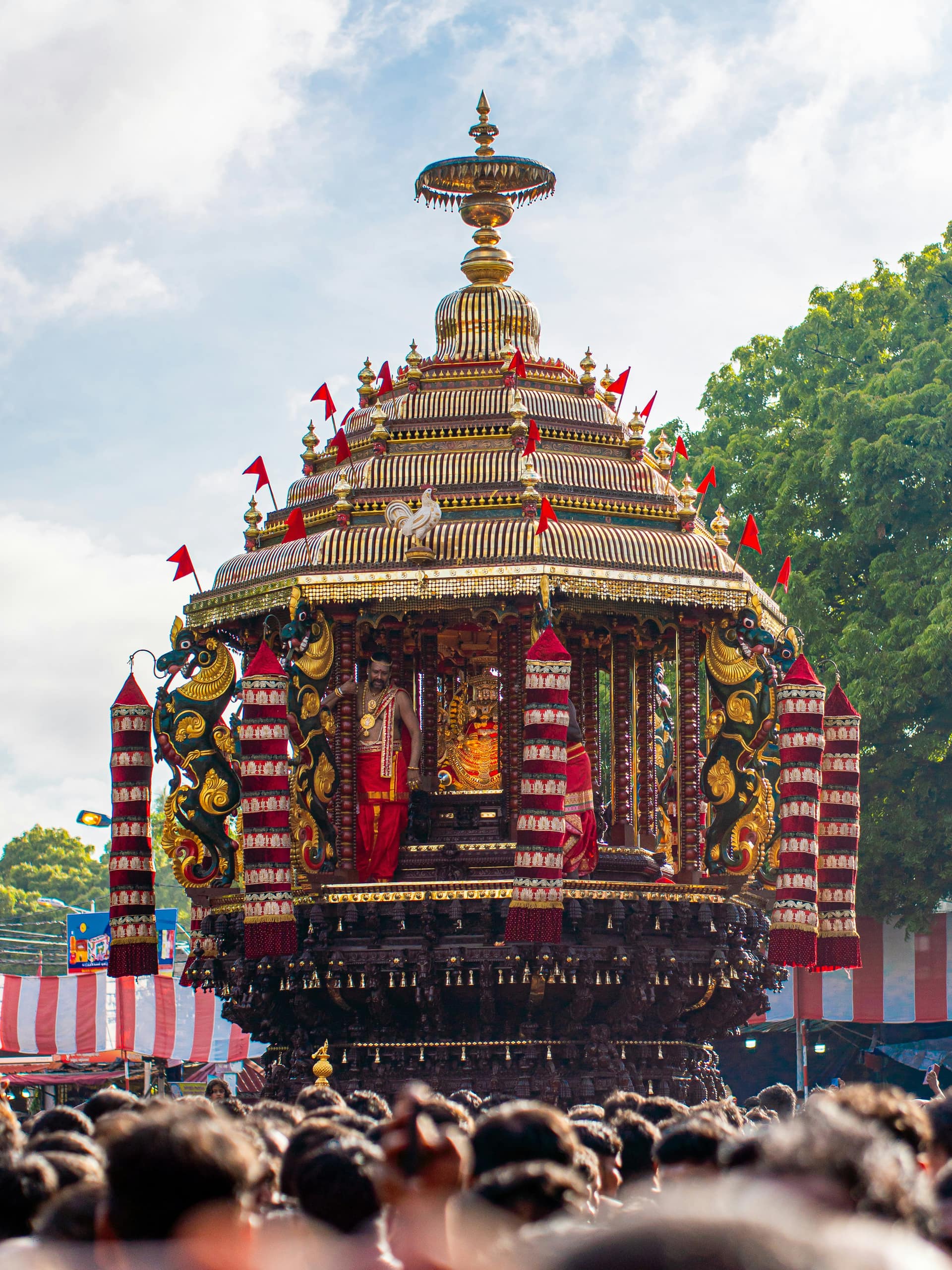
The Nallur Kandaswamy Kovil, with its golden gopuram and thunderous festival processions, is the spiritual centre of Jaffna. Non-Hindus are welcome during permitted hours with modest dress and respectful behaviour; men often remove shirts in the inner areas as devotees do.
Round out the city with Jaffna Fort's ramparts, the market streets, and the library, each a chapter in the peninsula's layered story.
- →Dress modestly; remove shoes where required
- →Ask before photographing people at ceremonies
- →Festival season (often July–August) is vivid but crowded
- →Keep voices low and follow temple stewards
Ferries to the northern islands
Off the peninsula lie a string of islands reached by causeway and ferry. Delft (Neduntheevu) is known for its semi-wild ponies, coral-stone walls, and baobab tree; Nainativu holds both a revered Hindu kovil and a Buddhist temple; Kayts is linked by causeways across shimmering lagoons.
Ferry schedules depend on weather and season, so confirm return times before you explore and carry sun protection and water for open boats.
The food: crab curry and palmyra
Jaffna's cuisine is the island's spiciest and most distinct. The famous crab curry (rich with roasted spices) is the headline, but odiyal kool, hoppers, and palmyra-based sweets reward the curious. Vegetarian travellers find deep rice-and-lentil traditions.
Eat at trusted kitchens, drink filtered water, and buy from fixed-price cooperatives in the markets where you can.
Planning a northern journey
Three nights cover the city, an island day, and the cuisine; two suffice for a temple-and-market focus. Because it's a real journey from Colombo (seven to nine hours by road, or a scenic train), fly or overnight rather than attempting a day trip.
See our Jaffna destination guide for ferries, seasons, and etiquette, or ask us to plan a private north-and-east route linking Jaffna, Trincomalee, and the Cultural Triangle with realistic drive times.
Frequently asked questions
How many days should I spend in Jaffna?
Three nights cover the city, one island day, and the cuisine. Two nights suffice for a temple-and-market focus. Add nights for multiple islands or slow cycling around the peninsula.
Is Jaffna safe for tourists?
Yes, for standard leisure travel with normal precautions. Follow local advice, dress modestly at temples, and use registered transport. We monitor conditions and adjust itineraries when needed.
Can I visit Jaffna from Colombo in a day?
Not realistically for meaningful culture: it's seven to nine hours each way by road. One day there and back is exhausting. We recommend flying or overnighting at least once.
What is Nallur Temple?
Nallur Kandaswamy Kovil is Jaffna's major Hindu temple, known for its golden gopuram and elaborate festivals. Non-Hindus may visit during permitted hours with modest dress and respectful behaviour.
What food is Jaffna famous for?
Jaffna crab curry is the headline, alongside odiyal kool, rice hoppers, and palmyra-based sweets. Vegetarian rice-and-lentil traditions are excellent too. Tell us dietary needs and we'll plan meals with trusted hosts.
When is the best time to visit Jaffna?
March to September is generally drier and better for island ferries and cycling. Nallur festival season (often July–August) is vibrant but busy. Book lodging early. October to February brings more rain and boat cancellations.
Does Lankan Stays & Trails offer Jaffna itineraries?
Yes. Our north-and-east modules combine Jaffna, Trincomalee, and Cultural Triangle sites with realistic drive times and English-speaking guides. Share your dates for a tailored plan.