
Quick answer
To travel responsibly in Sri Lanka: choose ethical wildlife operators (distance, no off-road, no rides), refuse single-use plastic and carry a refillable bottle, stay in locally owned places and eat at family kitchens, hire licensed local guides, dress modestly and follow etiquette at temples, use reef-safe sunscreen and never touch coral, take the train where you can, buy directly from artisans, tip fairly, and stay on marked trails in national parks. Small habits, repeated across a trip, add up.
Key takeaways
- Pick ethical wildlife operators: no rides, no off-road, distance kept.
- Cut single-use plastic; carry a refillable bottle.
- Spend locally: guesthouses, family kitchens, local guides, artisans.
- Respect temple etiquette: modest dress, shoes off, no back to Buddha images.
- Use reef-safe sunscreen, stay on trails, and tip fairly.
Put wildlife first
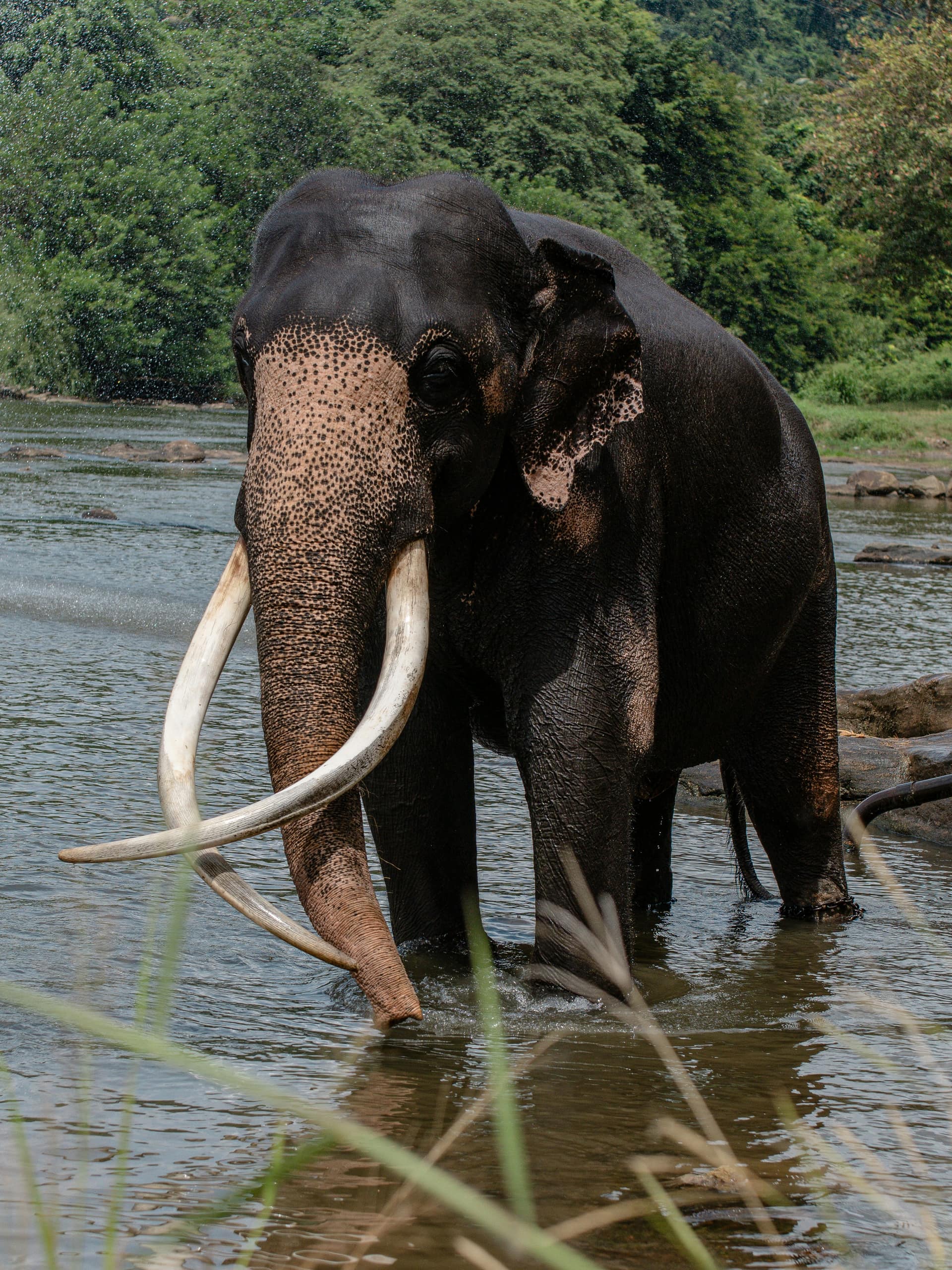
Choose safari and boat operators who keep their distance, wait engine-off, refuse off-road driving, and don't crowd animals. Skip elephant rides and unverified 'orphanages'. See wild elephants on an ethical safari or at Udawalawe's Elephant Transit Home instead. Choose turtle projects that release, not display.
Never feed, touch, or chase wildlife, and never buy products made from animals.
- →Ethical safaris and whale trips only
- →No elephant rides; choose real conservation
- →Don't feed, touch, or chase animals
- →Never buy turtle shell, ivory, or coral
Cut plastic and protect water
Single-use plastic is a visible problem on Sri Lanka's beaches and rivers. Carry a refillable bottle and use refill stations or a filter; decline plastic straws and bags. Reef-safe sunscreen protects coral on snorkelling days.
Be mindful of water in dry regions and on small islands, where it's a scarce resource.
Spend so it stays local
Choose locally owned guesthouses and eat at family-run 'rice and curry' spots and tea shops; hire licensed local guides; buy crafts directly from makers and women-led cooperatives. This keeps your money in the community rather than leaking away.
Tip fairly (drivers, guides, trackers, and hotel staff appreciate it) and agree prices for tuk-tuks and activities up front.
Respect culture and etiquette
At temples and kovils, cover shoulders and knees, remove shoes and hats, keep your voice low, and never pose with your back to a Buddha image or climb on statues. Ask before photographing people, monks, or worship. Dress more modestly away from beach areas.
A warm, patient manner and a little respect open every door in Sri Lanka.
Travel lighter and slower
Take the scenic trains where you can, avoid cramming too many destinations into too few days, and stay close to the sights to cut driving. Slower travel is lower-impact and almost always more rewarding.
Lankan Stays & Trails builds these choices in by default: ethical partners, local stays, train legs, and sensible pacing. Share your dates for a responsible itinerary.
Frequently asked questions
How can I travel responsibly in Sri Lanka?
Choose ethical wildlife operators, cut single-use plastic, stay in locally owned places, eat at family kitchens, hire local guides, respect temple etiquette, use reef-safe sunscreen, take the train, buy from artisans, tip fairly, and stay on marked trails in parks.
Is it OK to ride elephants in Sri Lanka?
No, elephant rides and unverified 'orphanages' raise serious welfare concerns and are unnecessary when you can see wild elephants on an ethical safari or visit Udawalawe's contact-free Elephant Transit Home.
How much should I tip in Sri Lanka?
Tipping is appreciated but not rigidly fixed. A daily tip for drivers and guides, rounding up at restaurants (a service charge is often included), and small tips for trackers and hotel staff are customary. Ask your operator for current norms.
What should I wear at temples in Sri Lanka?
Cover shoulders and knees, remove shoes and hats, and dress modestly. Carry a scarf or sarong. Don't pose with your back to Buddha images or climb on statues, which causes serious offence.
How can I reduce plastic waste while travelling Sri Lanka?
Carry a refillable water bottle and use refill stations or a filter, decline plastic straws and bags, and choose stays that avoid single-use plastic. Use reef-safe sunscreen to protect coral on snorkelling days.
Does Lankan Stays & Trails support responsible travel?
Yes, it's built into our planning, with vetted ethical operators, locally owned and eco-friendly stays, fair-wage guides, train legs, and sensible pacing. Share your dates for a responsible, tailored itinerary.