
Quick answer
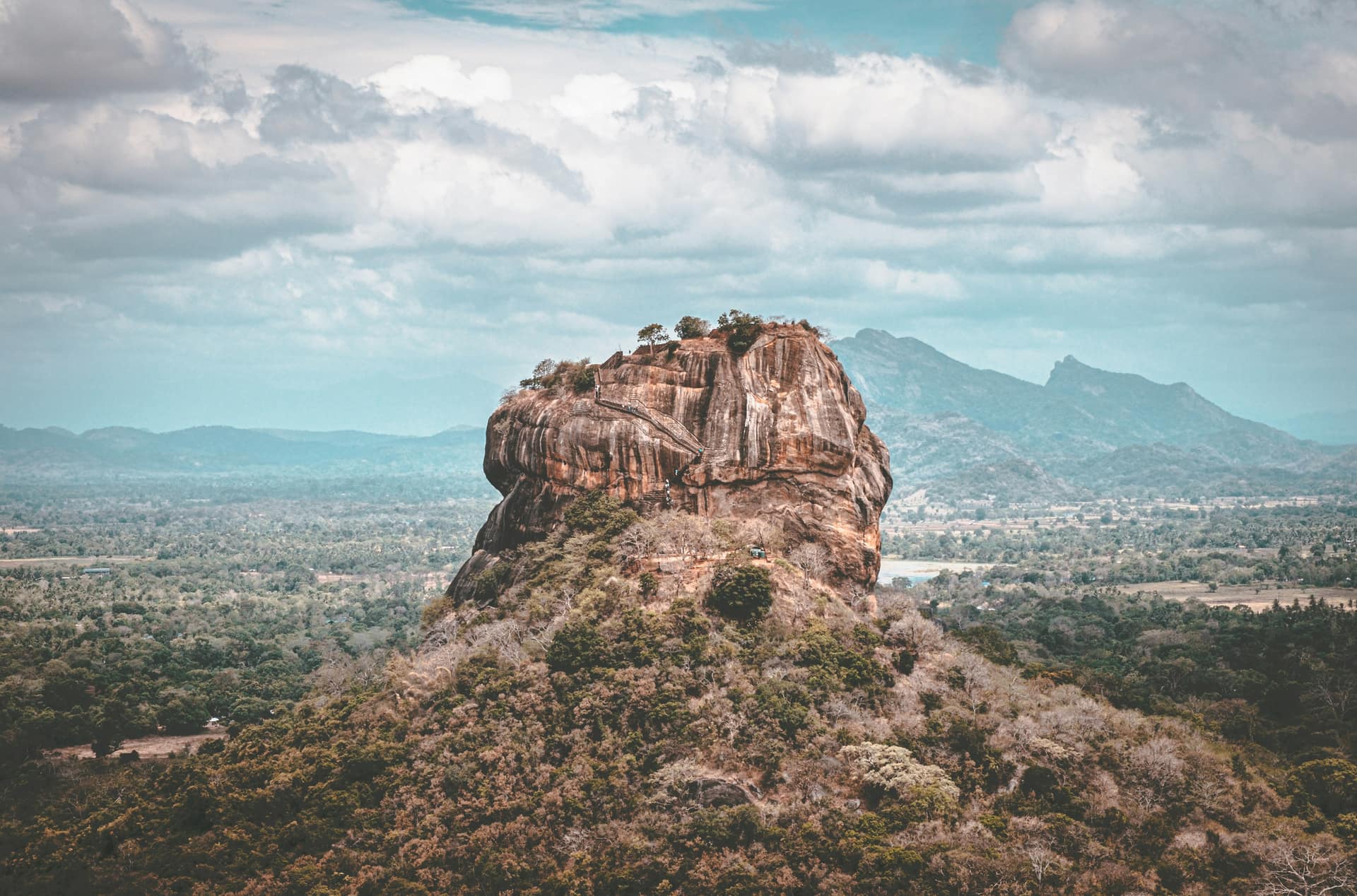
Sigiriya (Lion Rock) is a UNESCO World Heritage rock fortress in Sri Lanka's Cultural Triangle, built by King Kashyapa in the 5th century as a palace-citadel atop a 200-metre granite monolith. Visitors climb roughly 1,200 steps past water gardens, the famous fresco maidens, and the mirror wall to the lion's paws and the summit palace ruins, with panoramic views. Go at opening (around 7:00 AM) or late afternoon to beat heat and crowds, allow two to three hours, and consider neighbouring Pidurangala for the classic view of the rock itself.
Key takeaways
- Sigiriya is a 5th-century UNESCO rock fortress in the Cultural Triangle.
- The climb is ~1,200 steps past frescoes, the mirror wall, and the lion's paws.
- Go at opening (~7 AM) or late afternoon to beat heat and crowds.
- Allow two to three hours; it's steep but achievable with breaks.
- Climb Pidurangala next door for the iconic view of Sigiriya itself.
The story of Sigiriya
Sigiriya was built around 477–495 CE by King Kashyapa, who seized the throne and raised a fortified palace on the summit, ringed by water gardens, ramparts, and moats. After his fall it became a Buddhist monastery for centuries before fading into legend. Today it's celebrated as a masterpiece of ancient urban planning and one of Asia's great archaeological wonders.
Knowing the story (of usurpation, art, and abandonment) transforms the climb from a hike into a journey through Sri Lanka's golden age.
The climb, step by step
From the landscaped water gardens, the route ascends through boulder gardens to a spiral staircase leading to the fresco gallery: the celebrated 'Sigiriya damsels' painted on a sheltered rock face. Past the glossy mirror wall, you reach the lion's paws, the last surviving fragments of a colossal lion gateway, then a final stairway to the summit and the palace ruins with their 360-degree views.
It's about 1,200 steps in total (steep in places, with metal stairways) but manageable for most reasonable fitness levels with rests.
- →Water gardens and boulder gardens at the base
- →Fresco gallery (the painted maidens) and mirror wall
- →The lion's paws gateway
- →Summit palace ruins with panoramic views
Tickets, opening hours, and best time
Sigiriya is open daily from early morning (around 7:00 AM), with last entry in the late afternoon; a foreigner entry ticket is required (priced separately from locals, and subject to change, so confirm the current fee). The site is hot and exposed, so the best times are right at opening or in the cooler late afternoon, avoiding the midday sun and tour-bus crush.
Allow two to three hours, carry water and sun protection, and treat any specific prices or hours you read online as indicative. Verify close to your visit.
Pidurangala: the view of the rock
For the postcard view of Sigiriya itself, climb neighbouring Pidurangala Rock: a rougher, scramble-at-the-top hike (around 30–45 minutes) that rewards you with Sigiriya rising from the jungle, glorious at sunrise or sunset. Many travellers do Sigiriya one part of the day and Pidurangala the other.
Pidurangala has a reclining Buddha at a cave temple en route and requires modest dress at the temple section.
Planning your visit
Base in nearby Sigiriya village, Dambulla, or Habarana so you can be at the gate for opening, and pair the rock with the Dambulla cave temples and an ancient city. Dress for heat, wear grippy shoes, and bring water, as there's little shade on the climb.
Lankan Stays & Trails arranges early entry, an expert guide to bring the history alive, and the Pidurangala add-on. See our Sigiriya and Cultural Triangle guides, or share your dates.
Frequently asked questions
How long does it take to climb Sigiriya?
Allow two to three hours for the full visit, including the roughly 1,200-step climb past the frescoes, mirror wall, and lion's paws to the summit, plus time at the top and in the water gardens. It's steep but achievable with breaks.
How much does it cost to visit Sigiriya?
Foreign visitors pay a separate entry ticket (more than the local rate), and the price is periodically updated, so confirm the current fee before you go. Tickets are bought at the site or through your operator.
What is the best time to visit Sigiriya?
Right at opening (around 7:00 AM) or in the late afternoon, to avoid the fierce midday heat and the tour-bus crowds. The rock is hot and exposed, so early or late is far more comfortable.
Is the Sigiriya climb difficult?
It's moderately strenuous (around 1,200 steps, steep in places via metal stairways) but manageable for most reasonable fitness levels with rests. Those with vertigo should note the exposed spiral staircase to the frescoes.
Is Sigiriya or Pidurangala better?
They're complementary: climb Sigiriya for the palace, frescoes, and history, and Pidurangala for the iconic view of Sigiriya rising from the jungle. Many travellers do both: one at sunrise, the other later.
Does Lankan Stays & Trails arrange Sigiriya visits?
Yes, with early entry, an expert guide, and an optional Pidurangala climb, paired with Dambulla and the ancient cities. Share your dates for a tailored Cultural Triangle itinerary.