
Quick answer
Sri Lankan culture is shaped by four religions: Buddhism (the majority), Hinduism, Islam, and Christianity. It also draws on two main ethnic communities, the Sinhalese and Tamils, alongside Muslims, Burghers, and others. It shows in the island's festivals, temples and kovils, a coconut-rich cuisine, classical dance and drumming, crafts like batik and mask-carving, and a deep tradition of hospitality. For visitors, the key is respect: modest dress at religious sites, removing shoes, and a few simple courtesies go a long way.
Key takeaways
- Four faiths coexist: Buddhist, Hindu, Muslim, and Christian.
- Festivals follow the lunar calendar, so there's almost always one on.
- Temple etiquette matters: cover shoulders/knees, remove shoes, no turning your back to Buddha images.
- Hospitality runs deep. Accept tea and kindness graciously.
- Food, dance, drumming, and crafts are living traditions, not just performances.
A nation of four faiths
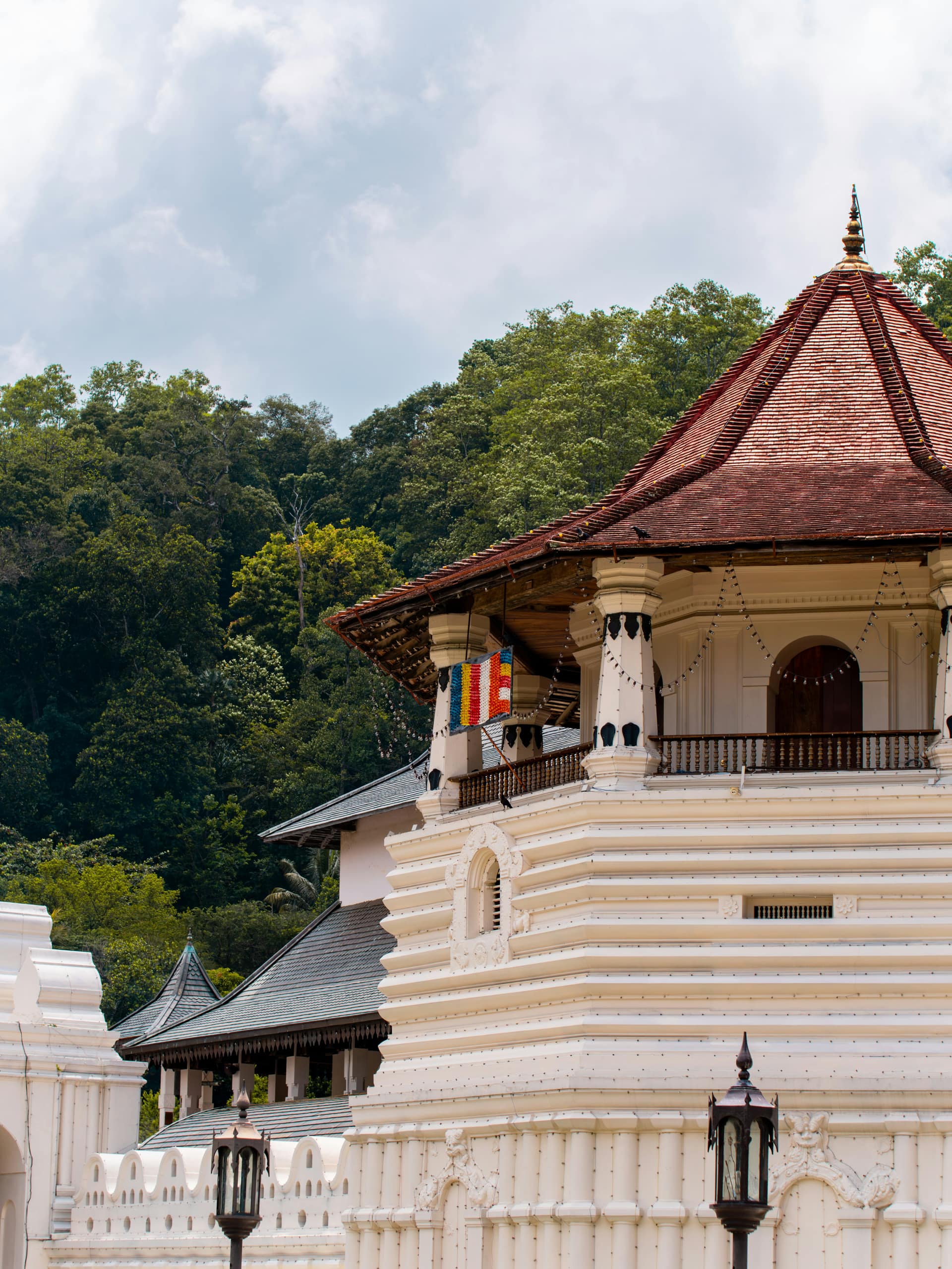
Buddhism shapes the rhythm of the majority Sinhalese, marked by full-moon Poya holidays and the great temples of Kandy and the Cultural Triangle. Tamil Hindu culture is strongest in the north, east, and tea estates, with vivid kovils and festivals. Muslim and Christian communities add mosques, churches, and their own celebrations. Negombo is even nicknamed 'Little Rome'.
This plurality is everyday life here, and travellers will cross all of it in a single trip.
Festivals, dance, and the arts
The calendar overflows with celebration: Vesak's lanterns, the Kandy Esala Perahera, Deepavali, the Sinhala & Tamil New Year, and more. Alongside, classical Kandyan dance and thunderous drumming, devil-mask and puppet traditions of the south, and crafts like batik, brass, and lacquerware keep ancient skills alive.
Seeing these at vetted, fairly run venues (rather than rushed tourist shows) does justice to the artists and the art.
- →Kandyan dance and geta bera drumming
- →Southern devil-mask and ritual traditions
- →Crafts: batik, brass, lacquer, and mask-carving
- →A festival calendar that runs all year
Customs and etiquette to know
At temples and kovils, cover your shoulders and knees, remove shoes and hats, lower your voice, and never pose with your back to a Buddha image or climb on statues (it causes real offence). Use your right hand for giving and eating, and ask before photographing people, monks, or worship.
Public displays of affection are best kept modest, and a warm, unhurried manner is appreciated everywhere.
Hospitality and everyday life
Hospitality is a point of pride: expect to be offered tea, and accept it graciously. Food is communal and generous; eating with the right hand is traditional, though cutlery is always available. The pace is gentle, relationships matter, and patience and a smile open doors.
Understanding this warmth is the quickest way to feel at home on the island.
Travelling culture-first
The richest trips build in real cultural contact: an evening temple puja, a village meal, a craft workshop, a festival if your dates align. A licensed local guide turns rituals and sites from sights into stories.
Lankan Stays & Trails designs culture-forward itineraries with respectful guides and authentic experiences. Explore our festivals and food guides, or share your interests for a tailored plan.
Frequently asked questions
What are the main religions in Sri Lanka?
Buddhism is the majority faith, followed by Hinduism (strongest among Tamils), Islam, and Christianity. All four coexist, and their temples, kovils, mosques, churches, and festivals are part of everyday life across the island.
What should I wear when visiting temples in Sri Lanka?
Cover your shoulders and knees, remove shoes and hats inside, and dress modestly. Carry a scarf or sarong. Avoid posing with your back to Buddha images and never climb on statues, which causes serious offence.
What are some important Sri Lankan customs and etiquette?
Use your right hand for giving and eating, ask before photographing people or worship, keep your voice low at religious sites, dress modestly, and accept offered tea or food graciously. A warm, patient manner is valued everywhere.
What is Sri Lankan culture known for?
Its religious diversity and festivals, a coconut-rich cuisine, classical Kandyan dance and drumming, southern mask traditions, crafts like batik and brass, ancient Buddhist heritage, and a deep tradition of hospitality.
Is Sri Lanka a conservative country?
It's relatively traditional, especially around religion and dress. Modest clothing at religious and rural sites, restrained public affection, and respect for customs are appreciated, while beach and resort areas are more relaxed.
Does Lankan Stays & Trails offer cultural experiences?
Yes: temple visits, village meals, craft workshops, dance performances at fair venues, and festival experiences, all with respectful local guides. Share your interests and we'll build a culture-forward itinerary.