
Quick answer
Trincomalee is a port city on Sri Lanka's north-east coast, known for the Nilaveli and Uppuveli beaches, Koneswaram Temple on Swami Rock, snorkelling at Pigeon Island Marine National Park, and seasonal whale watching. Its best window is roughly April to October, when east-coast seas are calmest, the opposite of the south coast. Allow two to four nights and combine it with the Cultural Triangle (about three hours) or Jaffna (three to four hours).
Key takeaways
- Trincomalee's calm season (roughly April–October) is the inverse of the south coast, ideal when the south-west is wet.
- Nilaveli and Uppuveli are the main beaches; Pigeon Island offers structured snorkelling nearby.
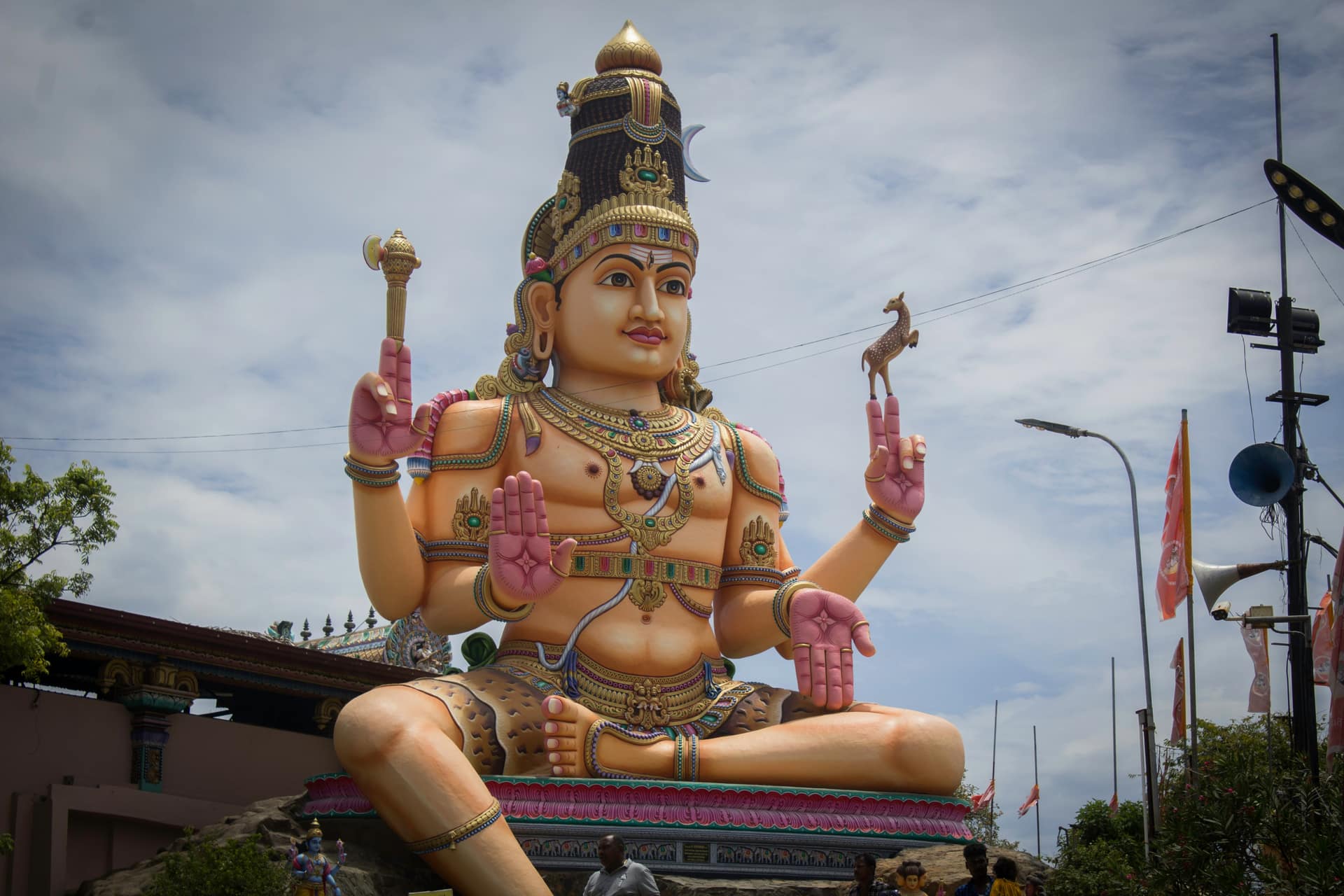
- Koneswaram Temple crowns Swami Rock with ocean views. Dress modestly and remove shoes.
- Whales and dolphins are seen offshore in season with licensed operators; always check the same-day sea state.
- It pairs neatly with Polonnaruwa or Sigiriya before an east-coast drop.
Why Trincomalee belongs on an east-coast route
Trincomalee balances beach time with culture and history in a way the busier south-coast strips don't. After a Cultural Triangle loop, many travellers drive east for a few reef-and-sand days before circling back to the hills.
The harbour here is one of the deepest natural ports in the world, which made it strategically prized for centuries. Today the draw is gentler: water clarity, marine life, and a slower pace.
Nilaveli, Uppuveli, and the reef
Nilaveli's long sandbar suits families and couples; Uppuveli's guesthouse strip is more compact and social. Both swim well in the calm months, just follow local advice and red flags, as rip currents exist and off-season seas turn rough.
Just offshore, Pigeon Island National Park offers regulated snorkelling among reef fish and harmless blacktip reef sharks. It has its own park fees and quotas, and a dedicated guide of ours if you want the detail.
- →Swim where guesthouses advise; heed red flags
- →Reef shoes help on rocky snorkel entries
- →Use reef-safe sunscreen and avoid touching coral
- →Pigeon Island runs on park tickets and timed boats
Koneswaram Temple and the harbour town
Koneswaram Temple sits dramatically atop Swami Rock, a cliff dropping straight to the sea, with active puja and sweeping views. Dress modestly and remove shoes as directed. Below, Fort Frederick's wooded grounds (home to grazing spotted deer) hold layers of colonial history.
It's a reminder that Trinco is a living Tamil Hindu town as much as a beach base, and the food, with its Jaffna influences, follows suit.
Whales on the eastern horizon
In the calmer months, licensed operators run whale and dolphin trips off Trincomalee, blue and sperm whales among them, though schedules shift yearly with conditions. Book dawn boats when crews confirm activity, and respect cancellations: east-coast swell can build fast.
Choose operators with life jackets, sensible speed near animals, and no feeding. The best skippers prize distance over a close-up.
Timing and routing your east-coast days
Three nights allow beach time, Koneswaram, and a Pigeon Island boat day; two work if you arrive early from Polonnaruwa. The golden rule is season: plan Trincomalee for roughly April to October, and check the forecast before paying for long boat charters.
See our Trincomalee destination guide for sea seasons and transport, or ask us to sequence an east-coast route that pairs Trinco with the Cultural Triangle or Jaffna on sensible drive times.
Frequently asked questions
When is the best time to visit Trincomalee?
Roughly April to October, when east-coast seas are calmest and beaches shine, the opposite of the south coast. November to February can bring heavier rain and onshore wind, so time your visit to the dry window.
Is Trincomalee safe for swimming?
Yes in the calm season with local advice. Rip currents exist, so swim where guesthouses recommend and heed red flags. Off-season seas can be rough, and conditions change quickly.
When can you see whales in Trincomalee?
Blue and sperm whale sightings are most discussed from roughly May to October when operators run, subject to weather. Schedules change yearly, so confirm directly with licensed operators when booking.
How far is Pigeon Island from Trincomalee?
Boats leave from Nilaveli, about 15–20 minutes to the marine park depending on sea state. Park closures and daily visitor quotas apply, so book ahead in peak months.
How many days should I spend in Trincomalee?
Three nights allow beach time, Koneswaram, and a Pigeon Island boat day. Two nights work if you arrive early from Polonnaruwa; add a night for whale watching or a diving course.
Can I combine Trincomalee with the Cultural Triangle?
Yes. Many itineraries place Polonnaruwa or Sigiriya (about three hours away) before an east-coast drop. We sequence drives to avoid arriving after dark on narrow roads.
Does Lankan Stays & Trails offer Trincomalee packages?
Yes. Our east-coast modules include Trinco beaches, reef days, and temple visits with ethical marine partners. Request a quote with your travel month so we can plan around the sea season accurately.