
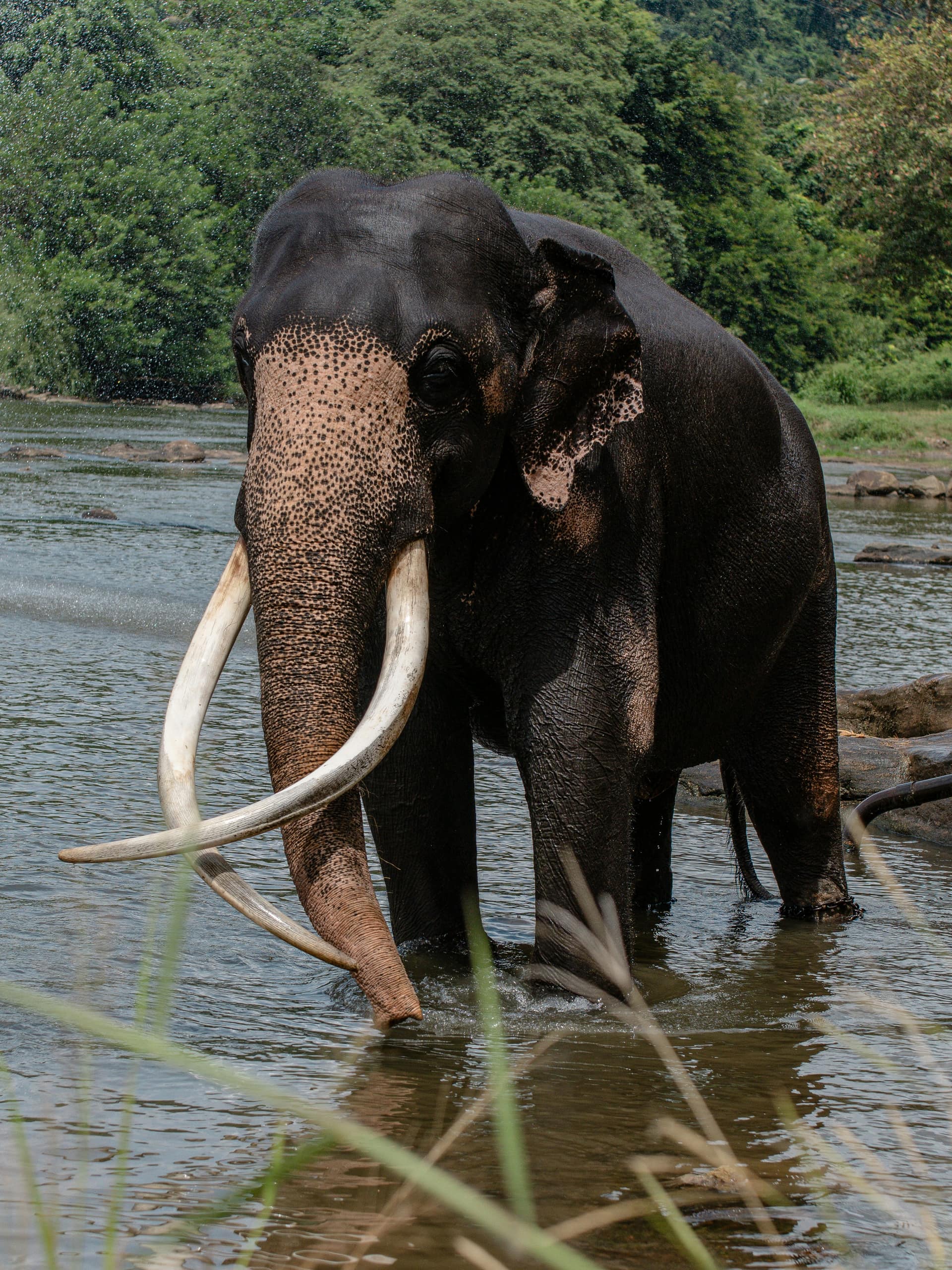
Quick answer
The Udawalawe Elephant Transit Home with kids is a 30 to 45 minute visit to a rehabilitation centre for orphaned wild elephant calves, run by Sri Lanka's Department of Wildlife Conservation since 1995. Several times a day, typically mid-morning, mid-afternoon and early evening, the calves come to a feeding station for milk while visitors watch from a raised platform. There is no touching, bathing or riding. Calves are released into national parks at about five years old.
Key takeaways
- The Elephant Transit Home at Udawalawe opened in 1995 and has released well over 100 calves back into the wild.
- Feeding sessions take place at set times several times a day and each lasts roughly 20 to 30 minutes.
- Visitors watch from a fixed platform some 20 to 30 metres from the calves, with no contact allowed.
- The Elephant Transit Home stands beside the Udawalawe reservoir, about five to ten minutes from the national park's main gate.
- Calves at the Elephant Transit Home are usually released at about five years old, in groups, often into Udawalawe National Park itself.
What the Elephant Transit Home is
The Udawalawe Elephant Transit Home with kids is best introduced as a hospital and school for baby elephants. Calves arrive after losing their mothers to accidents, wells, trains or conflict with farmers. Wildlife vets raise them on milk until they can feed themselves.
The home's aim is release, not display. Human contact is kept to a minimum so that the calves stay wild. Between feeds they roam a large area of scrub beside the reservoir with others of their age, forming the bonds they will need later.
What children see at feeding time
Feeding time at the Elephant Transit Home is short and lively. A gate opens and calves trot in a few at a time, the smallest first, heading straight for keepers who pour milk through funnels and tubes. Some drink politely. Others shove, squeal and try to queue twice.
After the milk, the calves move to piles of cut branches and grass, and the older ones wander off to the water. A commentary is given, sometimes in Sinhala and English. The whole session lasts 20 to 30 minutes, which suits even toddlers.
- →Arrive 20 minutes early for a place at the front rail.
- →Bring binoculars; the platform is set back from the calves.
- →Lift small children or use the lower rail so they can see.
Why there is no touching
Touching is not allowed at the Elephant Transit Home, and that is the reason to choose it. An elephant that learns to approach people for food will later walk into villages, where it may be hurt or killed. Distance now gives the calf a future.
Children accept this readily when it is explained. It is also a chance to talk about elephant rides and bathing sessions offered elsewhere in Sri Lanka, which depend on training methods that harm the animals. Watching from a platform is what kindness looks like here.
Times, tickets and facilities
Feeding times at the Elephant Transit Home are fixed and published, commonly at about 10.30am, 2.30pm and 6pm, with an early session on some days. They do change, so confirm the day before through your hotel or driver. Outside feeding times there is nothing to see.
Tickets are bought at the gate and cost a few US dollars, with reductions for children. A small information centre explains the release programme with photographs and skulls, and there are basic toilets and a car park. Shade on the platform is limited.
- →Take hats and water for the wait.
- →Allow 45 minutes in total.
- →Combine the 2.30pm feed with a later afternoon safari, or the 10.30am feed with arrival from Ella.
How it differs from Pinnawala
Pinnawala Elephant Orphanage, near Kegalle, is the better-known name, and families often ask which to choose. Pinnawala keeps a large permanent captive herd that is walked to a river to bathe, and visitors can get close. Its elephants are managed with chains and hooks and are not released.
The Elephant Transit Home offers less contact and more purpose. Children see fewer elephants from further away, and learn that these ones are going home. For most families the two-part day of transit home and wild safari at Udawalawe is the more satisfying.
- →Elephant Transit Home: wild orphans, platform viewing, release at about five.
- →Pinnawala: permanent captive herd, close contact, chains in use.
- →Wild safari: the best way of all to see elephants, at Udawalawe or Minneriya.
Fitting it into a family day
The Elephant Transit Home fits day seven of the family 10-day route, on arrival at Udawalawe from Ella. A departure from Ella at 8am reaches the 10.30am feed; a later start suits the 2.30pm session, followed directly by a shorter safari.
Families travelling with a baby, who skip the jeep, can treat the transit home as their elephant experience and continue to the coast the same day. Lankan Stays & Trails checks the feeding schedule the evening before and times the drive around it.
Frequently asked questions
Can you touch the baby elephants at the Elephant Transit Home?
You cannot touch the baby elephants at the Elephant Transit Home. Visitors stay on a viewing platform throughout. The calves are being prepared for release into the wild, and keeping them wary of people protects them once they leave.
What time is feeding at the Udawalawe Elephant Transit Home?
Feeding at the Udawalawe Elephant Transit Home usually takes place around 10.30am, 2.30pm and 6pm, with an additional early session on some days. Times can change, so ask your hotel or driver to confirm the day before your visit.
Is the Elephant Transit Home ethical?
The Elephant Transit Home is widely regarded as one of the most ethical elephant facilities in Sri Lanka. It is run by the wildlife department, limits human contact, allows no riding or bathing with visitors, and releases its calves into national parks.
How long do you need at the Elephant Transit Home?
Allow 45 minutes at the Elephant Transit Home: about 15 minutes to arrive and find a place, 20 to 30 minutes of feeding, and a few minutes in the information centre. It pairs naturally with a safari on the same day.
Is the Elephant Transit Home suitable for toddlers?
The Elephant Transit Home is well suited to toddlers. The visit is short, the calves are lively and there is no jeep ride involved. Hold small children up to see over the rail and bring a hat, as shade is limited.
Should we visit Pinnawala or the Elephant Transit Home?
Choose the Elephant Transit Home if animal welfare matters to your family and your route passes Udawalawe. Pinnawala offers closer views of a captive herd but uses chains and does not release its elephants. Many families now skip Pinnawala altogether.