Quick answer: what is Wilpattu?
Wilpattu is Sri Lanka's largest national park, on the northwest, named for its 'willus': natural sand-rimmed lakes. It offers leopard, sloth bear, elephant, deer, and rich birdlife in a quieter, more forested setting than Yala. The drier season is roughly February to October, jeep safaris run at dawn and afternoon, and it pairs naturally with Anuradhapura (about an hour) or a north-bound route.
Region: Northwest Wild · Sri Lanka · Typical overnight low ~24°C (long-term climate norm)
Top experiences in Wilpattu
- Jeep safaris among the 'willu' lakes for leopards and sloth bears
- A quieter, wilder feel than Yala with fewer jeeps
- Excellent birdlife around the lakes and forest edges
- Combine with Anuradhapura's sacred city nearby
- Dawn and late-afternoon drives for the best activity
- Eco-camps and lodges on the park fringe
Why choose Wilpattu over Yala
Wilpattu trades Yala's leopard density and crowds for space and solitude. Its forest is thicker, sightings can take more patience, but the sense of genuine wilderness (and far fewer jeeps at any encounter) is the reward.
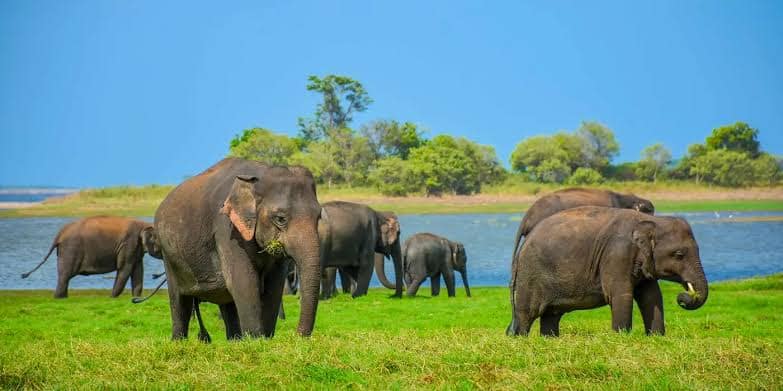
The park's signature feature is its willus, shallow natural lakes ringed by white sand where wildlife comes to drink, creating beautiful, productive safari scenes.
Leopards, sloth bears, and the willus
Wilpattu is one of the better places in Sri Lanka to combine a chance of leopard with the elusive sloth bear, especially when palu trees fruit (around June). Elephants, spotted and sambar deer, crocodiles, and abundant birds round out the cast.
As everywhere, sightings are never guaranteed. Ethical operators keep distance, wait quietly, and let the forest reveal itself rather than racing between reports.
- Leopard and sloth bear are the headline species
- Willu lakeshores are prime wildlife-watching spots
- Sloth bear odds rise when palu fruits (around June)
- Birdlife is excellent around water and forest edges
Pairing Wilpattu with the north and Cultural Triangle
Wilpattu sits about an hour from Anuradhapura, so a sacred-city morning pairs beautifully with an afternoon safari. It also makes a logical wildlife stop on routes heading north toward Jaffna or returning to the Cultural Triangle.
Best time for Wilpattu safaris
The drier months of roughly February to October offer firmer tracks and concentrate wildlife near the willus. Around June, fruiting palu trees can improve sloth bear sightings. The park can be wet and partly inaccessible in the northeast monsoon.
- February to October: drier tracks and better access
- Around June: improved sloth bear odds (palu fruiting)
- Northeast monsoon (Oct–Jan) brings rain and mud
- Dawn drives are coolest and most active
- Quieter than Yala year-round, but book jeeps in peak weeks
How to get to Wilpattu
Wilpattu's main entrance is near Hunuwilagama, about an hour from Anuradhapura and roughly four hours from Colombo by road. Most travellers stay at lodges and eco-camps on the park fringe.
- →From Anuradhapura: about one hour
- →From Colombo: roughly four hours by road
- →From the northwest coast (Chilaw/Puttalam): 1.5–2 hours
- →Stay at fringe lodges or eco-camps near the gate
Practical safari tips for Wilpattu
- Book park permits and a licensed jeep in advance
- Wear neutral clothing and bring a dust cover for cameras
- Patience pays: Wilpattu rewards slow, quiet drives
- Carry water, sun protection, and binoculars
- Toilet stops inside the park are limited; plan before entry
- Tips for driver and tracker are customary, so ask your operator
Responsible wildlife tourism in Wilpattu
Wilpattu's appeal is its calm, so help keep it that way by choosing operators who don't crowd sightings, stay on tracks, and never drive off-road or bait wildlife. Carry out all waste and keep noise low.
Lankan Stays & Trails works with ethical camps and trackers, caps drive frequency, and pairs Wilpattu with Anuradhapura to keep travel days sensible.
Frequently asked questions about Wilpattu
Is Wilpattu better than Yala for safari?
It depends on what you want. Yala has higher leopard density but more jeeps; Wilpattu is larger, quieter, and wilder, with a good chance of leopard plus sloth bear. Many wildlife lovers prefer Wilpattu's sense of solitude.
What animals can you see in Wilpattu?
Leopard, sloth bear, elephant, spotted and sambar deer, crocodiles, and abundant birdlife around the willu lakes. Sloth bear sightings improve around June when palu trees fruit.
When is the best time to visit Wilpattu?
Roughly February to October, when tracks are drier and wildlife concentrates near water. The northeast monsoon (October to January) brings rain and can make parts of the park hard to access.
How far is Wilpattu from Anuradhapura?
About an hour by road, which is why many travellers pair a morning at Anuradhapura's sacred city with an afternoon safari in Wilpattu.
What are the 'willus' in Wilpattu?
Willus are the natural, sand-rimmed lakes that give Wilpattu its name and character. Wildlife gathers at their shores to drink, making them the park's prime safari-watching spots.
Does Lankan Stays & Trails book Wilpattu safaris?
Yes, with ethical camps and trackers, sensible pacing, and pairing to Anuradhapura or northern routes. Share your dates and wildlife interests for a tailored plan.
Plan your Wilpattu journey
Tell us your dates, fitness level, and travel style. Our Colombo team will craft a mindful Cultural Triangle itinerary with ethical partners.