
Quick answer
A 3 day Sri Lanka trip from April to September should favour the dry east and Cultural Triangle. Choose Kandy and Sigiriya for culture, Habarana for the Minneriya elephant gathering roughly July to October, or Trincomalee for calm seas and Pigeon Island, roughly five to six hours from the airport. April is hot with storms; May to September brings the south-west monsoon to Galle and the west coast, where pools replace swimming.
Key takeaways
- The south-west monsoon brings rain and rough seas to the south and west roughly May to September.
- Trincomalee and the east coast are calm and dry roughly May to September.
- The Minneriya elephant gathering peaks roughly July to October.
- April brings the Sinhala and Tamil New Year, usually 13 and 14 April, and hot, stormy weather.
- The Kandy Esala Perahera is usually in July or August; dates shift with the lunar calendar.
Weather from April to September
From April to September, Sri Lanka's weather shifts. April is hot and humid, with afternoon thunderstorms across much of the island as the monsoons change. From roughly May, the south-west monsoon brings heavy showers and rough seas to the south and west coasts and the western hill slopes.
Meanwhile, the east coast from Trincomalee to Arugam Bay and the Cultural Triangle around Sigiriya are dry and sunny. Kandy is mixed, with showers but plenty of dry spells.
Rain on the south coast usually comes in bursts, with bright spells between, so Galle remains visitable, but swimming is often unsafe.
- →April: hot, with storms.
- →South and west: rain and rough seas from May.
- →East and Cultural Triangle: dry.
The best routes for these months
Kandy and Sigiriya suit three days from April to September, with dry weather in the Cultural Triangle for the climb. Habarana and Minneriya offer the elephant gathering roughly July to October. Wilpattu, in the north-west, is dry and good for safaris.
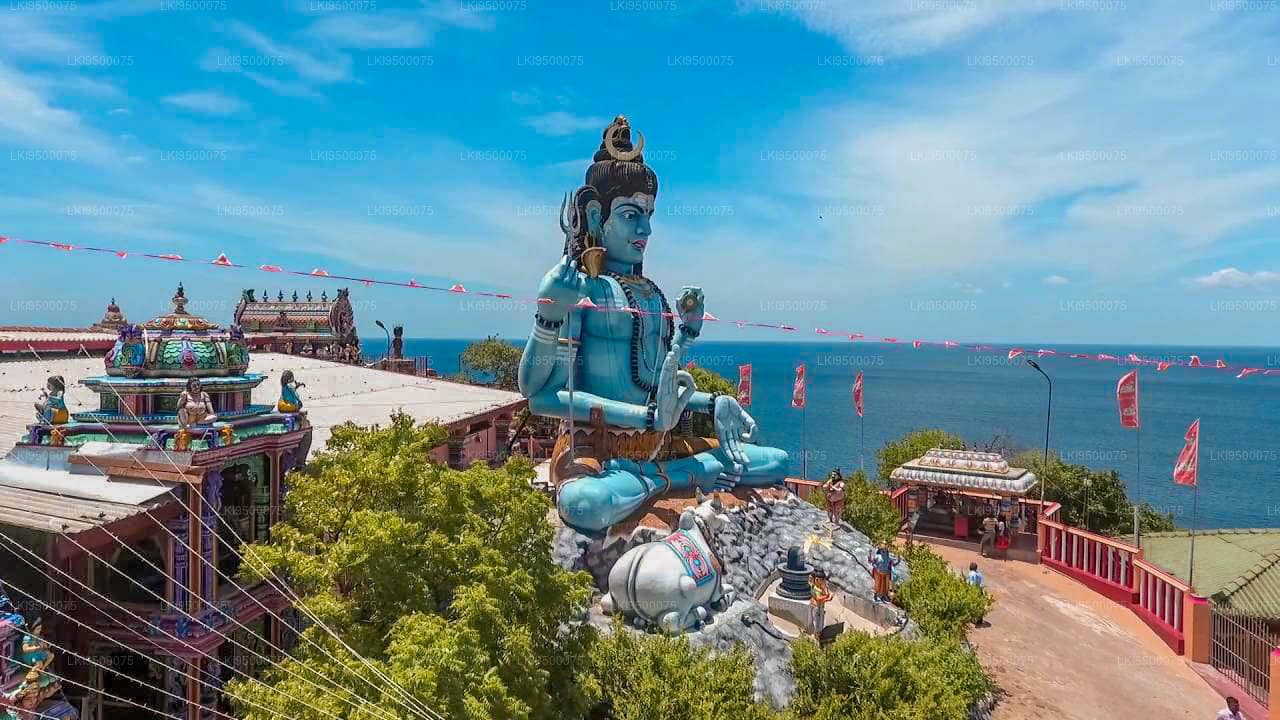
Trincomalee is the beach choice, with calm seas, Pigeon Island snorkelling and Koneswaram at sunset, roughly five to six hours from the airport. A Sigiriya night on the way makes the drive easier with three nights.
Colombo-based trips work in any weather, with museums and temples for rainy afternoons.
- →Kandy and Sigiriya: culture.
- →Minneriya: the gathering.
- →Trincomalee: calm sea.
Festivals in these months
Festivals make these months special. The Sinhala and Tamil New Year, usually 13 and 14 April, brings family celebrations and closures; Nuwara Eliya's busiest season is April. Vesak, usually in May, fills towns with lanterns, and Poson in June draws pilgrims to Anuradhapura and Mihintale.
The Kandy Esala Perahera, usually in July or August, is one of Asia's great processions; Kandy hotels fill months ahead. The Nallur festival in Jaffna runs roughly 25 days around August. All dates shift with lunar calendars.
Some businesses close around New Year; check before travelling in mid-April.
- →New Year: usually 13 and 14 April.
- →Vesak and Poson: May and June.
- →Esala Perahera: July or August.
If you still want the south coast
If you still want the south coast from May to September, choose hotels with pools, visit Galle Fort's lanes and museums, and plan beach time only on calm days. Some bays, such as parts of Unawatuna, are more sheltered, but red flags should always be respected.
Prices are lower in these months on the south coast, and crowds smaller, which some travellers prefer.
Surfers often enjoy the south coast less in these months, but Arugam Bay on the east coast has its main surf season roughly May to September. It is seven to eight hours from the airport, too far for most three-day trips, but worth noting for a longer return visit.
Planning a three-day trip in these months
A private car and driver makes it easy to follow the dry weather. Lankan Stays & Trails can arrange a three-day route for April to September that heads to the drier side of the island.
Pack a light rain jacket, quick-drying clothes and sandals, and book Kandy rooms early for the Perahera.
Book Trincomalee and Nilaveli hotels early for July and August, when many families travel in school holidays, and plan Pigeon Island for the early morning, before the wind rises. In the Cultural Triangle, the heat is strong; climb Sigiriya at opening and rest through the middle of the day.
- →Light rain jacket.
- →Book early for the Perahera.
- →Follow the dry side.
Frequently asked questions
Is it a good idea to visit Sri Lanka in July?
July is a good time to visit Sri Lanka's east coast and Cultural Triangle, which are dry, and the Minneriya elephant gathering is under way. The south-west monsoon brings rain and rough seas to Galle and the west coast, so head east or inland.
What is the best 3-day trip in August?
The best three-day trip in August is Kandy and Sigiriya for culture, possibly timed for the Esala Perahera, or Habarana for the Minneriya elephant gathering. Trincomalee offers calm seas if you accept the five to six hour drive from the airport.
Can I go to the beach in Sri Lanka in June?
You can go to the beach in Sri Lanka in June on the east coast, at Trincomalee, Nilaveli and Pasikudah, where the sea is calm. The south and west coasts are affected by the south-west monsoon, with rough seas and red flags.
Is April a good month for Sri Lanka?
April is a reasonable month for Sri Lanka, though hot and humid with afternoon storms. The Sinhala and Tamil New Year, usually 13 and 14 April, brings celebrations and some closures. Nuwara Eliya is at its busiest. Plan outings for mornings.
Is Galle worth visiting in the monsoon?
Galle is worth visiting in the monsoon for its fort, lanes, museums and ramparts, which work in showers. Swimming is often unsafe from May to September, but hotel pools and lower prices compensate. Rain usually comes in bursts with bright spells.
When is the Kandy Esala Perahera?
The Kandy Esala Perahera is usually held in July or August over about ten nights, with the grandest processions at the end. Dates shift each year with the lunar calendar, so confirm before booking. Kandy hotels fill months ahead.
Is Yala open from April to September?
Yala is usually open from April to August, with dry conditions concentrating animals at waterholes. It often closes for part of September and October; confirm the dates each year. Udawalawe, open year-round, is the alternative during the closure.