
Quick answer
A 5-day Sri Lanka trip for photographers should give the golden hours to locations, not driving. Five days holds roughly ten good light sessions at dawn and dusk. Choose the hill country for mist, tea and the train; the Cultural Triangle for Sigiriya from Pidurangala and elephants in late light; or the south coast for Galle Fort, stilt fishermen and Yala. Drive in the middle of the day, and stay two nights where the light matters most.
Key takeaways
- A five-day trip holds roughly ten good light sessions, at dawn and dusk, if drives are kept to the middle of the day.
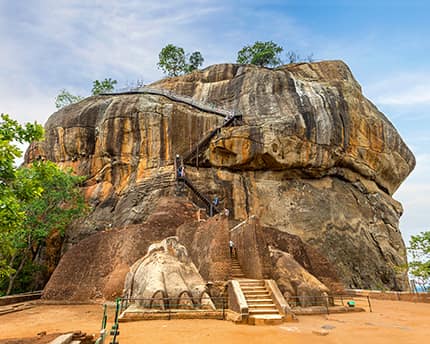
- Pidurangala at sunrise gives the classic view of Sigiriya rising from the forest.
- The hill country offers morning mist over tea estates, the train on the Nine Arch Bridge and the Ella Gap at dawn.
- Elephant safaris at Minneriya, Kaudulla and Udawalawe give warm, low light in the late afternoon.
- Always ask before photographing people, never pose with your back to a Buddha image, and keep drones within local rules.
The light arithmetic of five days
The light arithmetic of a five-day Sri Lanka trip is simple: roughly ten good sessions, one at dawn and one at dusk each day, minus whichever fall during transfers. Near the equator, golden hour is short and the midday light is harsh, so those sessions matter.
The best photography trips protect them. Drive in the middle of the day, stay two nights where the light matters most, and scout locations in the afternoon so you know exactly where to stand at dawn.
- →Dawn: roughly the first hour after sunrise.
- →Dusk: roughly the last hour before sunset.
- →Midday: drive, rest, scout and edit.
Choosing a region for photography
Each region gives a different kind of photograph, and on five days it is better to go deep in one than to skim three.
- →Hill country: mist over tea at dawn, the Nanu Oya to Ella train, the Nine Arch Bridge, the Ella Gap from Little Adam's Peak.
- →Cultural Triangle: Sigiriya from Pidurangala at sunrise, Dambulla's cave paintings, Polonnaruwa's Gal Vihara, elephants in late light.
- →South coast: Galle Fort at dusk, stilt fishermen near Koggala, Yala's leopards and landscapes, harbour life at Mirissa.
- →Kandy: the evening puja, drummers and lamplight at the Temple of the Tooth, within photography rules.
Dawn and dusk locations worth planning around
A few locations reward a photographer who arrives at exactly the right time. Each needs an early start or a late return, so plan them into the days deliberately.
- →Pidurangala at sunrise: Sigiriya rising from the forest.
- →Little Adam's Peak at dawn: the Ella Gap, often with mist.
- →Horton Plains at dawn: World's End before the clouds roll in.
- →The Nine Arch Bridge: morning light when a train is due; confirm times on the day.
- →Galle Fort ramparts at dusk: the lighthouse and the sea.
- →Minneriya or Udawalawe at dusk: elephants in warm, low light.
Photography etiquette and rules
Photography etiquette matters in Sri Lanka, especially at religious sites. Never pose with your back to a Buddha image, as it is considered disrespectful, and follow the rules at each temple; some prohibit photography in inner shrines. Ask before photographing people, particularly monks, and respect a refusal.
Drones need permission in Sri Lanka and are restricted near many sites, including Sigiriya and religious places. Check the current rules before bringing one. The stilt fishermen near Koggala often expect payment for photographs; agree it beforehand.
Wildlife photography on a short trip
Wildlife photography on a five-day trip works best with afternoon and dawn safaris in the same park. A zoom lens of roughly 200 to 400mm or longer suits leopards at Yala and elephants at Udawalawe; a beanbag helps steady it on the jeep door.
Ask your driver to position the jeep for the light, not just for the view, and to keep a respectful distance. The best wildlife photographs come from patience at one sighting rather than racing between many.
Planning a photographer's five days
Choose one region, list your ten light sessions, and build the drives around them. Lankan Stays & Trails works with drivers who understand photographers' timing, and will plan routes so that dawn and dusk are spent on location rather than in the car.
Frequently asked questions
What is the best region for photography in 5 days?
The hill country for mist, tea and the train; the Cultural Triangle for Sigiriya and elephants; the south coast for Galle Fort, fishermen and Yala. On five days, choose one region and give its dawn and dusk sessions your full attention.
Where is the best view of Sigiriya for photos?
From the top of Pidurangala at sunrise, looking across at Sigiriya rising from the forest. The climb takes roughly 30 to 45 minutes, with a boulder scramble at the end, so start in the dark with a head torch.
Can I fly a drone in Sri Lanka?
Only with the required permissions, and drones are restricted near many sites, including Sigiriya, temples and some national parks. Rules change, so check the current requirements before bringing a drone, respect no-fly signs, and never fly over crowds, wildlife or people at prayer.
Can I photograph inside temples in Sri Lanka?
Often, but not always. Some temples prohibit photography in inner shrines, and flash is widely discouraged. Never pose with your back to a Buddha image. Follow the signs at each site and ask if unsure.
What lens should I bring for a Sri Lanka safari?
A zoom lens of roughly 200 to 400mm or longer suits leopards at Yala and distant elephants. A wider lens is useful for elephants close to the jeep and for landscapes. A beanbag helps steady a long lens on the jeep door.
When is the best light in Sri Lanka?
The first hour after sunrise and the last hour before sunset. Near the equator, golden hour is short and midday light is harsh, so plan drives and rest for the middle of the day and be on location early and late.