
Quick answer
A 7-day luxury nature escape from Switzerland typically allocates two nights to one safari park (Yala or Udawalawe), two nights to the hill country around Nuwara Eliya or Ella, and two or three nights on the south coast, connected by private road transfers of a few hours each. This compresses the trip to one wildlife area rather than two, keeping travel time manageable within a single week including the roughly 12 to 17 hour journey each way from Switzerland.
Key takeaways
- A 7-day trip works best focused on one safari park rather than two, since the transfer time to add a second wildlife area would consume a disproportionate share of a single week.
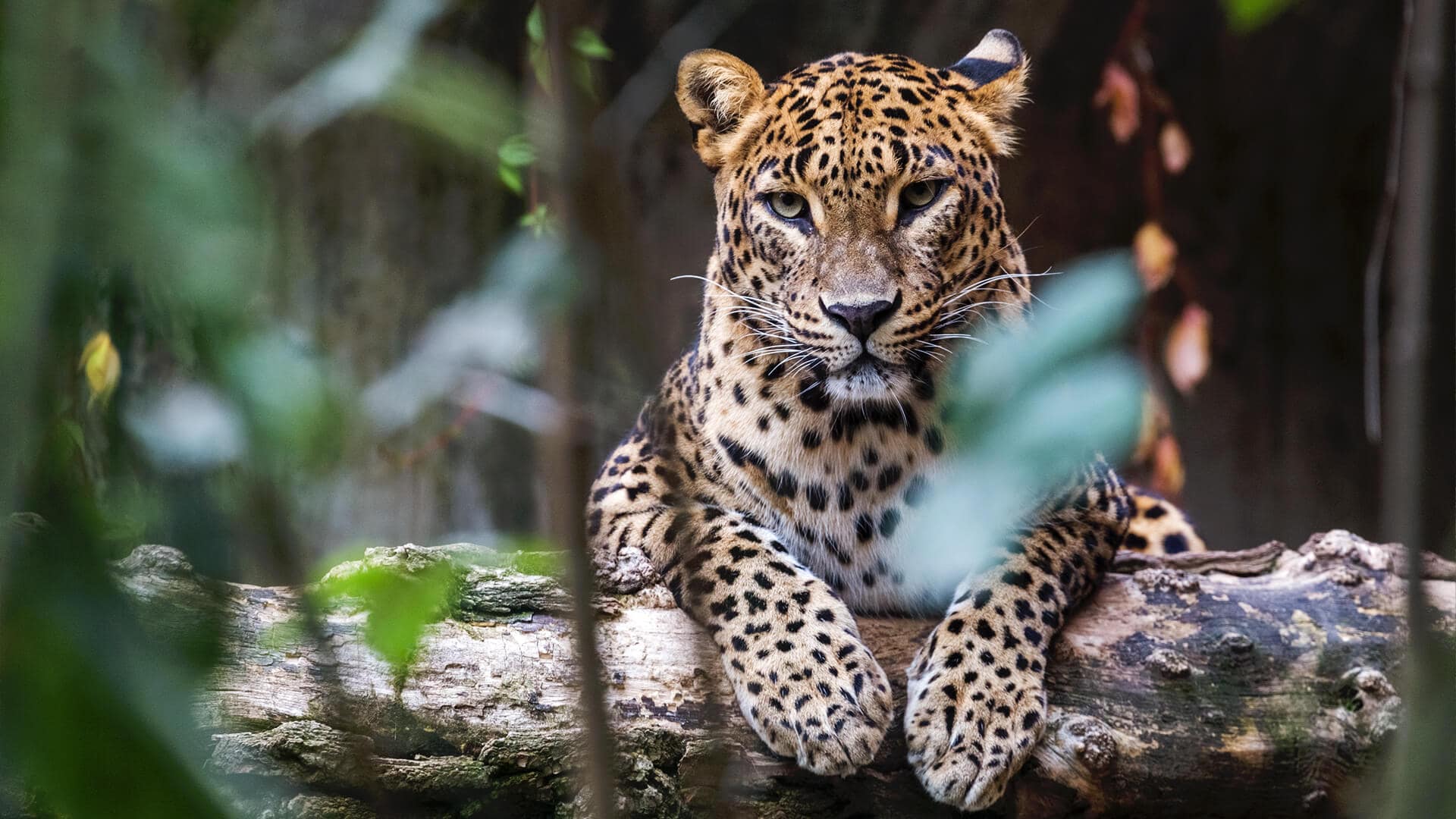
- Yala suits travellers prioritising leopard sightings and proximity to the south coast finish, while Udawalawe suits those wanting a more reliable, shorter elephant-focused stop.
- Two nights in the hill country, generally Nuwara Eliya for its cooler climate or Ella for a more relaxed pace, adds a genuine landscape contrast without requiring a long detour.
- A private driver-guide throughout keeps daily transfers efficient, generally a few hours between each stop, essential for making a multi-region trip work within seven days.
- Given the roughly 12 to 17 hour journey from Switzerland each way, arrival and departure days should be treated as transition days rather than full touring days.
Why a 7-day trip works best around one safari park
With only a week available, and roughly 12 to 17 hours of travel each way from Switzerland already consuming part of it, adding a second safari park generally means too much time on the road relative to time spent actually experiencing each place. Choosing one wildlife area and building the rest of the trip around it makes far better use of a compressed schedule.
Yala suits travellers prioritising leopard sightings and its proximity to the south coast, while Udawalawe suits those wanting a shorter, more reliable elephant-focused stop that needs only one or two nights rather than three.
A working 7-day route
A typical structure runs: arrival and transfer to the hill country (day 1-2), two nights in Nuwara Eliya or Ella for cooler air, tea estates and a Horton Plains morning, then transfer to the safari park for two nights of drives, before finishing with two or three nights on the south coast.
This order, hills first, safari in the middle, coast last, uses the private road network efficiently and ends the trip on a relaxed note rather than an early-morning safari drive on the final day.
- →Days 1-2: arrival, transfer to hill country, settle into cooler air and tea-estate surroundings.
- →Days 3-4: transfer to Yala or Udawalawe for safari drives.
- →Days 5-7: transfer to the south coast for a relaxed finish before departure.
Adjusting the route for different priorities
Travellers prioritising wildlife over hill country can flip the order, safari first, coast second, dropping the highland stop entirely to add a third night at the safari park or coast instead, useful for a wildlife-focused rather than balanced trip.
Families or travellers preferring a gentler pace might reduce the safari component to one or two drives rather than the maximum possible, prioritising rest on the coast over covering every possible activity within the week.
Logistics: keeping transfers realistic
A private driver-guide throughout is essential for this compressed format, since public transport or a series of separate transfers would consume time the itinerary cannot spare; transfers between each stop generally run a few hours by private road.
Given the roughly 12 to 17 hour journey each way from Switzerland via a connecting hub, arrival and departure days should be treated as transition days, with light or no activity planned, rather than assuming a full day of touring is possible immediately after landing.
Who a 7-day nature escape suits
This length suits travellers with limited annual leave or a shorter window such as a long weekend extension, wanting a genuine taste of Sri Lanka's nature rather than an exhaustive tour, with the option to extend to 10 or 14 days on a future trip.
For a more complete nature-focused trip covering two wildlife areas and a rainforest stop, a 10 to 14 day itinerary generally serves better; the 7-day format is a deliberately focused compromise rather than a shorter version of the same ambition.
Frequently asked questions
Is 7 days enough for a nature-focused trip to Sri Lanka?
Yes, if the itinerary focuses on one safari park rather than two. A week comfortably covers hill country, one wildlife area and a coastal finish, connected by private road transfers of a few hours each.
Which safari park is best for a 7-day trip?
Yala suits travellers prioritising leopard sightings and proximity to the south coast, while Udawalawe suits those wanting a shorter, more reliable elephant-focused stop needing only one or two nights.
Should I include the hill country in a 7-day trip?
It is worth including for the landscape contrast, but travellers prioritising wildlife can skip it and add the extra time to the safari park or coastal stay instead.
How much of the 7 days is spent travelling?
Roughly 12 to 17 hours each way from Switzerland via a connecting hub, plus a few hours of private road transfer between each stop within Sri Lanka, meaning arrival and departure days should be treated as transition days.
Can a 7-day trip include two safari parks?
It is possible but not generally recommended, since the transfer time to add a second wildlife area would consume a disproportionate share of a single week better spent actually experiencing each stop.
Is 7 days enough to see the Minneriya elephant Gathering and a beach?
It can work if timed to the Gathering's roughly July to September season, combining Habarana with a short coastal finish, though this trades off the hill-country stop most 7-day itineraries otherwise include.
Does Lankan Stays & Trails arrange 7-day nature escapes?
Yes. We build 7-day private itineraries around one safari park, hill country and a coastal finish, adjusted to a traveller's specific priorities within the compressed timeframe.