
Quick answer
A 7-day Sri Lanka itinerary with wellness follows the three-base shape, with two nights each at Sigiriya, Kandy and the south coast, and adds an Ayurvedic treatment during each midday break, sunrise yoga at the hotel, a guided meditation session at a monastery near Kandy, and a slow final stretch on the coast with a longer Ayurvedic treatment. A week is enough to enjoy Ayurvedic treatments, but full traditional programmes such as panchakarma typically need two to three weeks.
Key takeaways
- Ayurveda is a traditional system of natural medicine widely practised in Sri Lanka, often using herbal oils and massage.
- A single Ayurvedic treatment of around an hour fits naturally into the midday break on the classic route.
- Full Ayurvedic programmes such as panchakarma typically last two to three weeks and need a dedicated retreat.
- Several monasteries and meditation centres around Kandy welcome visitors for guided sessions; confirm arrangements in advance.
- The three-base shape, with two nights at each stop, suits a wellness week better than the classic four bases.
Weaving wellness into a 7-day Sri Lanka itinerary
A wellness-focused 7-day Sri Lanka itinerary is not a retreat, and should not pretend to be. It is the classic week of sightseeing with the pace slowed and a restorative element added each day, so that travellers return home rested as well as inspired.
The structure that works best is the three-base week: two nights each at Sigiriya, Kandy and the south coast. It removes the single-night stops and the long train day, which are the most tiring parts of the classic route, and gives every base a full day with time for treatments.
Every day then follows the same gentle rhythm: an early sightseeing morning, an Ayurvedic treatment or rest in the midday heat, and a calm late afternoon.
- →The three-base shape: two nights at each stop.
- →One restorative element each day.
- →Sightseeing early, treatments and rest in the midday heat.
The wellness week, day by day
The route below uses the three-base structure, with wellness elements at each stop. Hotels with in-house Ayurvedic doctors and treatment rooms make it much easier to organise.
The sightseeing is lighter than the classic route but keeps the main highlights: Sigiriya or Pidurangala, the Dambulla Cave Temple, the Temple of the Sacred Tooth Relic and Galle Fort.
- →Day 1: Airport to Sigiriya; a gentle massage to ease the journey.
- →Day 2: Sigiriya at opening; an Ayurvedic consultation and treatment at midday; Dambulla at dusk.
- →Day 3: Sunrise yoga; drive to Kandy; the evening puja at the Temple of the Sacred Tooth Relic.
- →Day 4: A guided meditation session near Kandy; Peradeniya gardens; a tea estate in the afternoon.
- →Day 5: Drive to the south coast, roughly four to five hours via the expressways.
- →Day 6: Beach yoga; a longer Ayurvedic treatment; a slow afternoon by the sea.
- →Day 7: A morning swim, Galle Fort, then the airport.
Ayurveda on a short trip
Ayurveda is a traditional system of natural medicine practised in Sri Lanka for centuries, based on balancing the body's constitution through diet, herbal remedies, oils and massage. Many hotels on the classic route have Ayurvedic treatment centres, often with a resident doctor who offers a consultation before recommending treatments.
On a 7-day trip, the realistic approach is a short series of individual treatments, such as abhyanga, a full-body oil massage, or shirodhara, a stream of warm oil on the forehead, each lasting around an hour. They fit naturally into the midday break, when the heat makes sightseeing unpleasant anyway.
Full traditional programmes such as panchakarma, a structured detoxification, typically last two to three weeks and need a dedicated retreat with dietary control. They do not fit a sightseeing week, and a reputable practitioner will say so.
- →Individual treatments: around an hour each, ideal for the midday break.
- →A consultation with a resident Ayurvedic doctor where available.
- →Panchakarma and full programmes: two to three weeks at a retreat.
Meditation and mindfulness
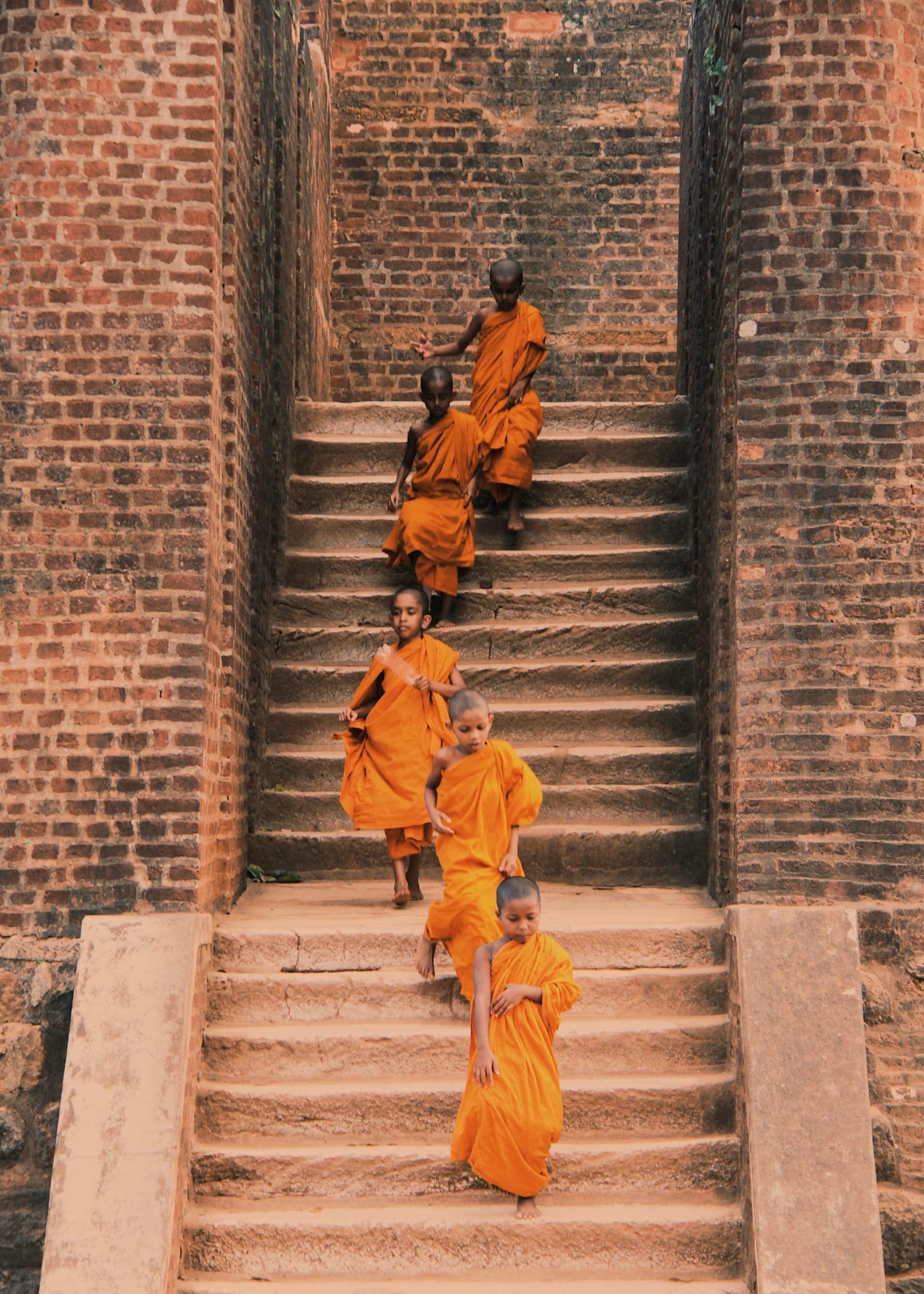
Buddhism is central to Sri Lankan life, and the island has a long tradition of meditation. Several monasteries and meditation centres in the hills around Kandy welcome visitors for guided sessions or short introductions, often in calm forest settings. Arrangements vary, so confirm in advance and follow the centre's guidance on dress and conduct.
The evening puja at the Temple of the Sacred Tooth Relic, with its drumming and offerings, is also a powerful moment of stillness for many visitors, as is sunrise from Pidurangala over the forest. Mindfulness on this route is often as much about how you experience the sights as about any formal practice.
Visiting a temple on a poya day, the monthly full-moon holiday, shows Buddhist devotion at its most visible, with families in white bringing flowers and lamps. Poya dates follow the lunar calendar and shift each year, and alcohol is not sold on those days, which is worth knowing when planning evenings.
- →A guided meditation session near Kandy, arranged in advance.
- →The evening puja at the Temple of the Sacred Tooth Relic.
- →A temple visit on a poya day; dates shift each year.
Yoga and movement
Many hotels on the classic route offer yoga sessions, often at sunrise in gardens or on terraces, and some boutique properties on the south coast specialise in it. Sunrise yoga at Sigiriya, with the rock in view, or on the beach at the end of the week are memorable ways to start the day.
Gentle walks count too: Kandy Lake at dusk, the Peradeniya gardens, and the beach at sunrise are all restorative. The wellness week keeps strenuous climbs optional, so Pidurangala or the Sigiriya water gardens can replace the full climb for those who prefer.
- →Sunrise yoga at hotels in the Cultural Triangle and on the coast.
- →Gentle walks: Kandy Lake, Peradeniya, the beach at dawn.
- →Strenuous climbs optional.
Food, sleep and slower days
Sri Lankan food suits a wellness week well, with many vegetable- and pulse-based curries, fresh fruit, herbal drinks and king coconut. Hotels with Ayurvedic centres often offer menus matched to the doctor's recommendations.
Just as important is rest. The wellness week keeps early nights, long midday breaks and at least one afternoon completely free. Choosing hotels with pools, gardens and quiet rooms makes that rest genuinely restorative.
It is worth being realistic about the long drive on day 5 from Kandy to the coast, roughly four to five hours. A massage the evening before and a gentle morning help, and the reward is two slow days by the sea at the end of the week.
Planning a wellness week
Choose hotels with Ayurvedic centres, resident doctors or yoga programmes at two or three of the three bases, and book treatments in advance for the midday breaks. Tell practitioners about any medical conditions or medications, since some treatments are not suitable for everyone.
Lankan Stays & Trails designs wellness weeks around hotels with reputable Ayurvedic practitioners, and our Northern Wildlife and Wellness Escape includes a hill-country retreat stay for travellers with eight days. The site's Ayurveda and panchakarma guides cover longer programmes.
Frequently asked questions
Can I do Ayurveda on a 7-day trip to Sri Lanka?
Yes, as individual treatments. Sessions such as abhyanga oil massage or shirodhara last around an hour and fit neatly into the midday break. Full programmes such as panchakarma typically need two to three weeks at a dedicated retreat and do not fit a sightseeing week.
What is Ayurveda?
A traditional system of natural medicine, practised in Sri Lanka for centuries, that aims to balance the body through diet, herbal remedies, oils and massage. Many hotels have Ayurvedic centres, often with a resident doctor who recommends treatments after a consultation.
How long is an Ayurveda retreat in Sri Lanka?
Full programmes, including panchakarma, typically last two to three weeks, since the treatments follow a structured sequence with dietary control. Shorter stays of a week focus on relaxation and individual treatments rather than a complete programme.
Can tourists meditate at Sri Lankan monasteries?
Several monasteries and meditation centres, particularly in the hills around Kandy, welcome visitors for guided sessions or short introductions. Arrangements vary, so confirm in advance, dress modestly, and follow the centre's guidance on conduct and silence.
Is Ayurveda safe?
Treatments from qualified practitioners at reputable centres are generally considered safe for most people. Tell the practitioner about any medical conditions, pregnancy or medications, since some treatments are not suitable for everyone, and consult your own doctor if unsure.
Where can I do yoga in Sri Lanka?
Many hotels on the classic route offer yoga, often at sunrise in gardens or on terraces, and some boutique properties on the south coast specialise in it. Weligama, Mirissa and the coast around Galle have particularly good options.