
Quick answer
Arrack drinking etiquette in Sri Lanka rests on a few customs. The host pours and refills, so pace yourself by leaving the glass part full. Drinks come before dinner, with snacks, and the meal is often served late and ends the evening. Many Sri Lankans do not drink, so never press anyone, and decline politely if you prefer not to. Do not drink in public places, near temples or on poya days. A simple cheers is the usual toast.
Key takeaways
- In Sri Lankan homes the host pours the arrack and tops up glasses, and a full glass signals that you have had enough.
- Drinks and bites usually come before dinner, and the meal, served late, tends to mark the end of the evening.
- A large share of Sri Lankans abstain from alcohol for religious or personal reasons, and declining is never rude.
- Drinking in streets, parks, on public beaches and near religious sites is not acceptable in Sri Lanka.
- Local bars are mostly male spaces, while hotels, restaurants and private homes are comfortable for everyone.
At a Sri Lankan home
Arrack at a Sri Lankan home follows the host's lead. A bottle, soda, water and ice are set out, and the host or a family member mixes and hands round the drinks. Guests do not usually pour for themselves.
- →Accept the first drink, or ask for a soft drink without explanation.
- →Leave your glass half full when you want no more.
- →Expect bites to arrive in waves for an hour or two.
- →Dinner often appears late, after which guests leave fairly promptly.
- →Bring sweets, fruit or a bottle only if you know the household drinks.
Toasts and table manners
Toasts over arrack in Sri Lanka are informal. Most people simply say cheers in English. A Sinhala wish for good health or long life is sometimes offered at celebrations, and glasses are raised more often than clinked.
Table manners at an arrack table are relaxed, with a few constants. Offer food to others before serving yourself, use your right hand for anything eaten with fingers, and do not finish the last piece on a shared plate without offering it round.
Respecting those who do not drink
Respecting non-drinkers is the most important piece of arrack etiquette. Many Buddhists, most Muslims, some Hindus and Christians and a great many women in Sri Lanka do not drink at all.
Mixed tables are normal, with some guests on arrack and others on ginger beer or lime juice, and nobody remarks on it. Never urge someone to try a drink. If you would rather not drink yourself, a plain no thank you is accepted at once.
Where and when not to drink
Where and when not to drink in Sri Lanka is governed by law and by religious feeling, and the two overlap.
- →Not in streets, parks, buses, trains or on open public beaches.
- →Not in or near temples, kovils, mosques or churches.
- →Not on poya days, when nothing is sold or served.
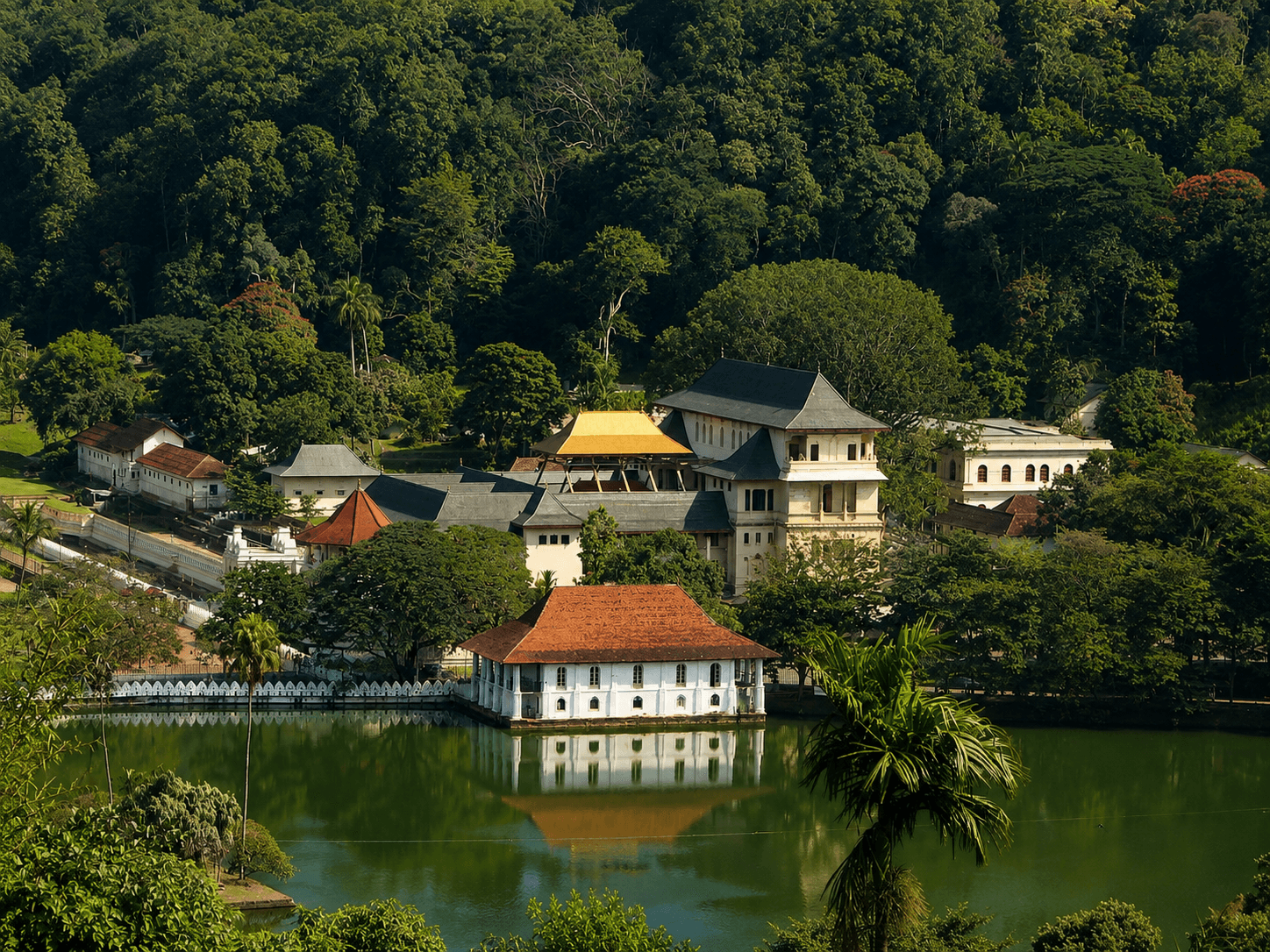
- →Not before visiting a sacred site, including Sigiriya and the Temple of the Tooth.
- →Not in front of monks, or while wearing or carrying religious imagery.
Women and drinking in Sri Lanka
Women drinking in Sri Lanka is a more conservative matter than in most visitors' home countries. Relatively few Sri Lankan women drink in public, and local bars and toddy taverns are almost entirely male.
Women travellers drink without comment in hotels, tourist-area restaurants, cocktail bars and beach bars. An old regulation restricting the sale of alcohol to women technically remains in force and is occasionally applied in small shops, though seldom in places used by visitors.
Being a good guest with a glass
Being a good guest with a glass in Sri Lanka means matching the room. Loud or visibly drunk behaviour is frowned on far more than in many holiday destinations, and public drunkenness can lead to trouble with the police.
Lankan Stays & Trails briefs guests on local customs before home visits and village meals, and guides are on hand to explain what is expected and to make polite refusals on your behalf.
- →Drink slowly; evenings are long.
- →Eat the bites, which are offered for a reason.
- →Thank the host for the drink as well as the food.
- →Arrange transport home in advance; never drive after drinking.
Frequently asked questions
How do you say cheers in Sri Lanka?
Most Sri Lankans simply say cheers in English when raising a glass. There is no single fixed toast. At celebrations you may hear a Sinhala or Tamil wish for good health or long life. Raising the glass with a smile is all that is needed.
Is it rude to refuse a drink in Sri Lanka?
No. Many Sri Lankans do not drink, so declining is completely normal and needs no explanation. Say no thank you and ask for a soft drink, tea or king coconut. Your host will be equally pleased to offer those.
Can you drink alcohol in public in Sri Lanka?
No. Drinking in public places such as streets, parks, public transport and open beaches is not permitted and is socially frowned on. Drink in licensed bars, restaurants and hotels or in private. Public drunkenness can result in arrest.
Is it acceptable for women to drink in Sri Lanka?
Women travellers can drink comfortably in hotels, restaurants, cocktail bars and beach bars. Local bars and taverns are male spaces. Sri Lankan society is conservative about women drinking, and an old sales restriction still exists on paper, though it rarely affects visitors.
When is dinner served at a Sri Lankan party?
Late. At many Sri Lankan gatherings, drinks and snacks are served for a couple of hours first, and dinner arrives at nine or ten. Guests usually leave soon after eating, so the meal marks the end of the evening.
Should I bring alcohol as a gift to a Sri Lankan home?
Only if you know your hosts drink. Otherwise bring sweets, fruit, chocolates or good tea. If they do drink, a bottle of quality arrack or imported spirit is appreciated. Never bring alcohol to a religious household or on a poya day.