
Quick answer
Bomburu Ella is a broad, many-stranded waterfall in the Uva Paranagama area west of Welimada, roughly 1.5 to 2 hours by road from Ella, reached by a forest path from the nearest road (all hedged; confirm locally). It is often described as one of the widest waterfalls in Sri Lanka, with streams falling side by side rather than in a single drop, and it is best during and after rain. It makes a full day combined with other stops.
Key takeaways
- Bomburu Ella lies in the Uva Paranagama area west of Welimada (hedged).
- The drive from Ella takes roughly 1.5 to 2 hours on winding hill roads.
- Bomburu Ella is often described as one of the widest waterfalls in Sri Lanka.
- Many separate streams fall side by side rather than in one narrow drop.
- The falls are best during and after rain, and quiet on weekdays.
What Bomburu Ella is like
Bomburu Ella is a broad waterfall in a forested fold of the hills, where a stream spreads across a wide rock face and falls in many separate strands side by side. It is often described as one of the widest waterfalls in Sri Lanka, though figures for its width and height vary.
The effect is quite different from Diyaluma or Dunhinda: less a single plunge than a curtain of water, with spray drifting across the clearing. In full flow, it is loud and impressive; in dry months, the strands thin and separate.
Bomburu Ella sees far fewer foreign visitors than the falls near Ella, and weekdays are often very quiet.
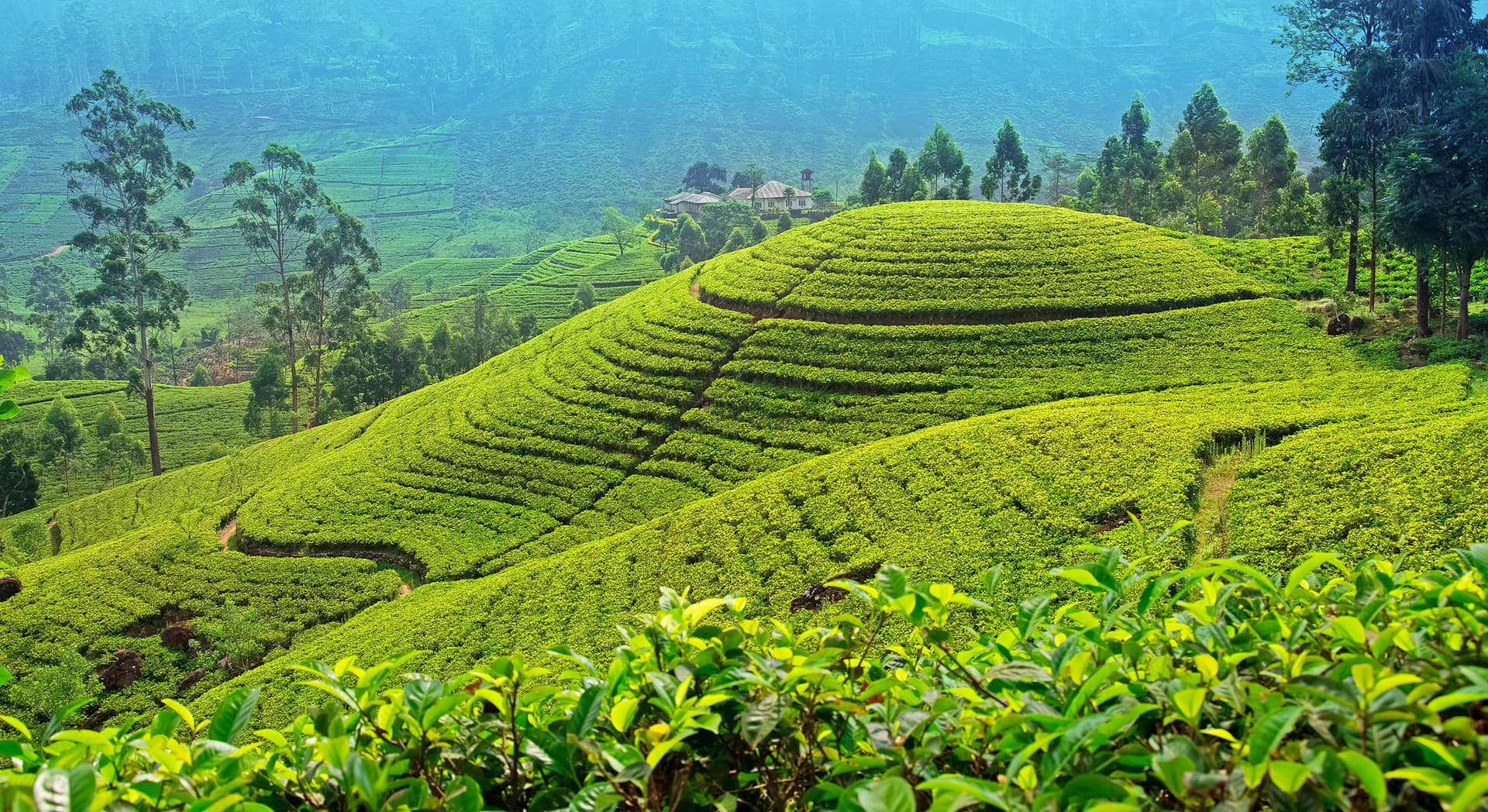
Bomburu Ella lies in vegetable-growing country rather than tea, and the drive passes terraced plots of leeks, carrots and cabbages around Welimada. That landscape is part of the trip's appeal, and quite different from the tea slopes around Ella.
- →Shape: wide, many-stranded curtain.
- →Setting: a forest clearing in the hills.
- →Visitors: few, especially on weekdays.
Getting to Bomburu Ella from Ella
Bomburu Ella lies in the Uva Paranagama area, west of Welimada, roughly 1.5 to 2 hours by road from Ella via Bandarawela and Welimada (hedged). The last stretch runs on narrow rural roads, so a driver who knows the area is the best option.
From the nearest road, a forest path leads to the falls (details hedged; check locally). Expect uneven ground, some steps and muddy sections after rain.
Bomburu Ella's access road and path conditions change with the weather and local works, so ask your guesthouse or driver to check before you set out. A driver who has been recently will know where to park and how long the walk is taking.
- →Route: via Bandarawela and Welimada (hedged).
- →Time: roughly 1.5 to 2 hours each way.
- →Last stretch: narrow rural roads, then a forest path.
When to visit Bomburu Ella
Bomburu Ella is best during and after rain, when the many strands merge into a wider curtain. The October to December rains usually bring the fullest flow, and heavy showers at other times can revive it.
In dry spells, the strands thin, but the setting remains attractive. The path is easier in dry weather, with fewer leeches and less mud.
Weekends and holidays may bring domestic visitors; weekday mornings are quietest.
- →Fullest: during and after rain.
- →Easiest path: dry spells.
- →Quietest: weekday mornings.
Safety at Bomburu Ella
The rocks around Bomburu Ella are slippery with spray and algae, and the pool at the base is rocky. Swimming is not advised unless locals confirm a calm, safe spot.
After heavy rain upstream, water can rise quickly. Leave the riverbed at once if the water turns brown or the roar increases. Leeches are common in wet weather on the forest path.
Mobile signal can be weak in the valley, so tell your driver when you expect to return.
- →Stay off slippery rocks.
- →Leave if water rises or turns brown.
- →Expect leeches in wet weather.
Combining Bomburu Ella with other stops
Bomburu Ella is a long way to go for one waterfall, so combine it with other stops: Welimada's vegetable country, Bandarawela's cooler town and tea estates, or a return via Nuwara Eliya if you are moving on.
For travellers heading from Ella towards Nuwara Eliya by road, Bomburu Ella can be a detour on the way, adding roughly two to three hours to the journey.
Bomburu Ella also pairs with a stop at a vegetable market or roadside stall around Welimada, where farmers sell produce fresh from the terraces. A picnic lunch bought on the way and eaten near the falls makes a relaxed day out.
Lankan Stays & Trails recommends Bomburu Ella mainly to repeat visitors and keen waterfall lovers, because first-time visitors to Ella usually get more from Ravana Falls, Dunhinda and Diyaluma, which are closer and better known.
Frequently asked questions
Where is Bomburu Ella?
Bomburu Ella is in the Uva Paranagama area west of Welimada, in Sri Lanka's Uva Province, roughly 1.5 to 2 hours by road from Ella via Bandarawela (hedged). The last stretch runs on narrow rural roads, followed by a forest path to the falls.
How do you get to Bomburu Ella from Ella?
Most visitors reach Bomburu Ella from Ella with a car and driver, via Bandarawela and Welimada, roughly 1.5 to 2 hours. A driver who knows the rural roads is the best option. From the nearest road, a forest path leads to the falls.
Is Bomburu Ella the widest waterfall in Sri Lanka?
Bomburu Ella is often described as one of the widest waterfalls in Sri Lanka, falling in many separate strands across a broad rock face. Figures for its width vary between sources, so treat any single claim with caution.
Can you swim at Bomburu Ella?
Swimming at Bomburu Ella is not advised unless locals confirm a calm, safe spot. The rocks are slippery and the pool is rocky, and water can rise quickly after rain upstream. Paddling at the edge in dry, calm conditions is the safer choice.
When is the best time to visit Bomburu Ella?
Bomburu Ella is best during and after rain, when its many strands merge into a wide curtain, usually during and after the October to December rains. In dry spells the path is easier but the falls thin. Weekday mornings are quietest.
Is Bomburu Ella worth the trip from Ella?
Bomburu Ella is worth the trip from Ella for waterfall lovers who want something quieter and different, but at roughly 1.5 to 2 hours each way it needs a full day. It works best combined with Bandarawela or as a detour on the road to Nuwara Eliya.