
Quick answer
Common mistakes on a wildlife and beach holiday in Sri Lanka include visiting the south coast from May to September, when the sea is rough; booking only one rushed Yala drive and expecting a leopard; leaving no spare morning for the Mirissa whale boat; changing hotels every night; visiting turtle hatcheries with tanks or riding elephants; swimming at open beaches with strong currents; and forgetting that Yala Block I usually closes from about September to mid-October.
Key takeaways
- The south coast route works from December to April; from May to September, the east coast is better.
- One Yala drive gives a fair chance of a leopard; two or three give a good one.
- A spare morning at Mirissa protects the whale boat against cancellation.
- Yala Block I usually closes from about September to mid-October.
- Tank hatcheries and elephant rides harm animals and are best avoided.
Getting the season wrong
Getting the season wrong is the most common mistake on a wildlife and beach holiday. The south coast route is built for December to April, when the sea is calm and Mirissa's whales are in season. From May to September, the south-west monsoon brings rough seas, and whale boats move to Trincomalee.
Travellers in summer should take the east coast version, with Minneriya's elephant gathering and Trincomalee's beaches. Those in September and early October should also check Yala's closure dates.
Booking too late for Christmas and February is a related mistake. The best camps near Yala and the quieter beach hotels fill months ahead, leaving late bookers with busier, less suitable stays.
- →December to April: south coast route.
- →May to September: east coast version.
- →September and October: check Yala's closure.
Rushing the safaris
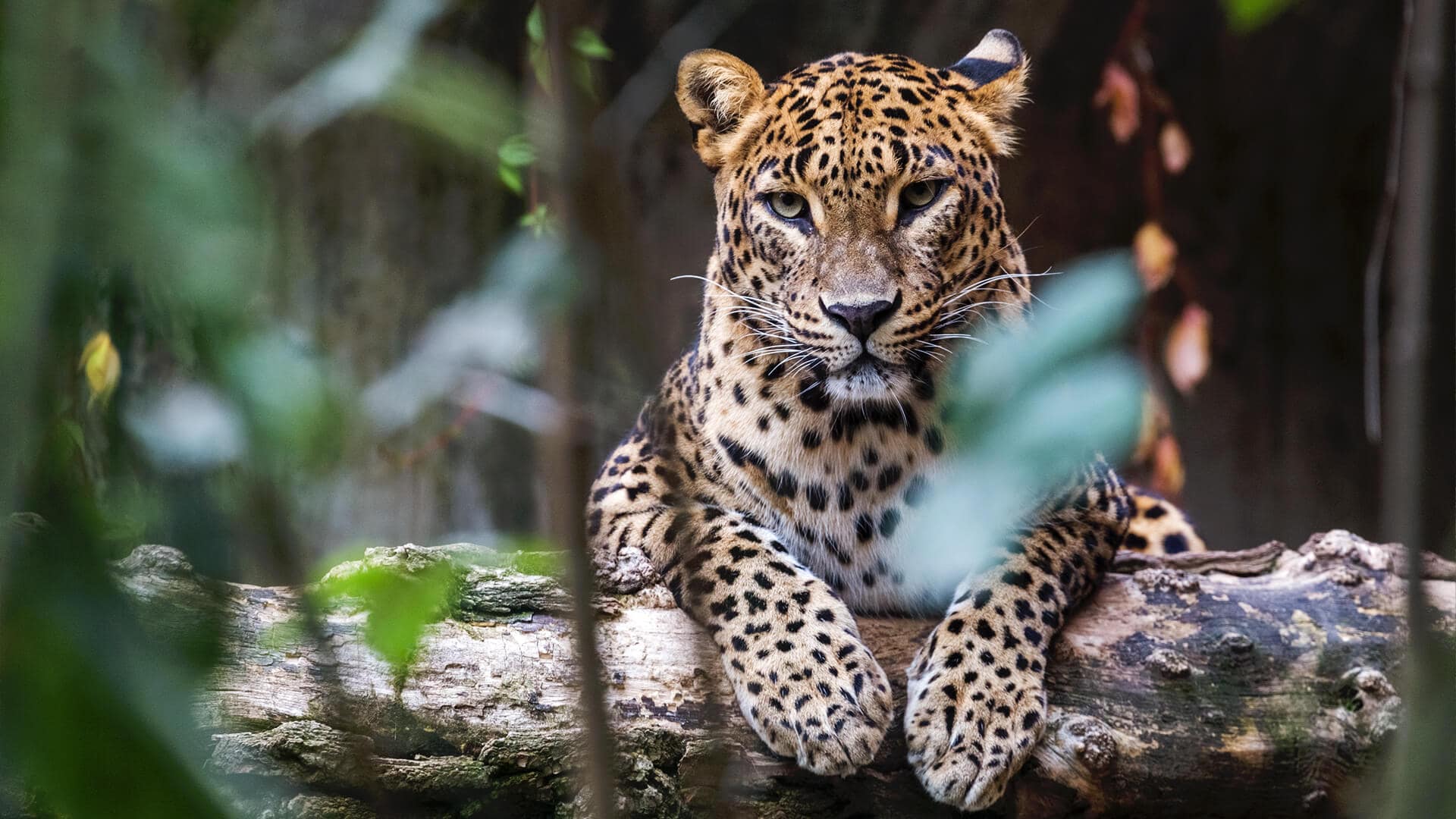
Rushing the safaris is the second mistake. One afternoon drive in Yala, squeezed between long drives, gives a fair chance of a leopard at best. Two nights near Yala, with a dawn drive and an optional afternoon, give a far better chance.
Another common error is choosing a jeep on price alone. Drivers who race to sightings and crowd animals spoil the experience for everyone. Ask for recommendations and pay a little more for a calm driver.
The common mistakes on a Yala safari page on this site covers safari-specific errors in more detail.
Expecting too much is a quieter mistake. Leopards are never guaranteed, and some drives produce mainly elephants, deer and birds. Going in with an open mind, and enjoying the whole landscape rather than chasing one animal, makes every drive more satisfying.
- →Two nights near Yala, not one rushed drive.
- →Dawn drives for leopards.
- →Choose drivers for behaviour, not price.
No back-up for the sea
No back-up for the sea is a frequent mistake. Whale boats are cancelled when the sea is rough, even in season. Booking the boat on the last morning at Mirissa, with no spare day, risks missing it entirely.
Swimming at open beaches with strong currents is another. Some stretches of Tangalle and Mirissa have rip currents even in season. Swim at sheltered beaches like Unawatuna and where others swim.
Underestimating the sun at sea is another. Three to five hours on an open boat in the tropics can burn even well-tanned skin, so sunscreen, a hat and long sleeves matter as much on the whale boat as in the jeep.
- →Book the whale boat on the first morning at Mirissa.
- →Keep a spare morning.
- →Swim at sheltered beaches.
Too many hotel changes
Too many hotel changes wear travellers out. Some itineraries change hotel every night, which means packing every morning and spending more time checking in than relaxing. The classic route uses five bases in nine nights; the two-base version uses just two.
Lankan Stays & Trails generally recommends at least two nights at each stop after the first, which leaves time to enjoy each place.
Cramming the Cultural Triangle and the hill country into the same ten days is another pace mistake. The wildlife and beach route works best when it stays focused.
Well-meant choices that harm animals
Well-meant choices that harm animals include visiting turtle hatcheries that keep turtles in tanks, riding elephants or bathing with them, feeding monkeys, and touching turtles or coral while snorkelling.
The route avoids all of these. Rekawa's conservation project, the Elephant Transit Home and wild animals in the parks offer better experiences without the harm.
- →No tank hatcheries.
- →No elephant rides or bathing.
- →No feeding or touching wildlife.
Frequently asked questions
What is the biggest mistake on a Sri Lanka wildlife and beach trip?
Choosing the wrong coast for the season. The south coast route works from December to April. From May to September, the south is rough and the east coast is better, with Minneriya's elephants and Trincomalee's beaches.
Is one Yala safari enough?
One dawn drive gives a fair chance of a leopard, but two or three give a much better one. Two nights near Yala allow a dawn drive, an optional afternoon and Bundala.
What if I miss the whale watching?
Keep a spare morning at Mirissa so a cancelled trip can move to the next day. If both mornings are rough, snorkelling at Unawatuna offers sea life instead. Trincomalee is an option on a later summer trip.
Should I visit a turtle hatchery?
Only a genuine conservation project that releases hatchlings promptly. Avoid hatcheries keeping turtles in tanks for photographs. Rekawa's wild nesting watch is a better and more ethical experience. Ask how long hatchlings are kept.
Can I ride an elephant in Sri Lanka?
It is offered in some places, but it is not recommended on welfare grounds. Seeing wild elephants at Udawalawe and calves at the Elephant Transit Home is far more rewarding.
Is it a mistake to add Sigiriya and Ella?
Not necessarily, but it changes the trip. Adding the Cultural Triangle and hill country to ten days cuts the beach and safari time sharply. The Minneriya and Sigiriya version of the route adds Sigiriya alone.
How many hotel changes are too many?
Changing every night is too many for most travellers. The classic route uses five bases in nine nights, with two nights at most stops. The two-base version uses just two.
Is it a mistake to skip Udawalawe?
Not if leopards matter most and time is short. Udawalawe is the best park for elephants and the Elephant Transit Home, so skipping it means relying on Yala and Bundala for elephants, which usually still appear but less reliably.