
Quick answer
A 10-day Sri Lanka wildlife and beach holiday works best from December to April as a south-coast loop: one night at Udawalawe for elephants, two at Tissamaharama for Yala's leopards and Bundala's birds, then two at Tangalle for Rekawa's nesting turtles, two at Mirissa for blue whales and two at Unawatuna for snorkelling. That gives three wildlife nights and six beach nights, roughly 11 to 13 hours of driving in total, and no Cultural Triangle or hill-country train.
Key takeaways
- The route spends one night at Udawalawe, two at Tissamaharama, two at Tangalle, two at Mirissa and two at Unawatuna.
- December to April is the season for this route, when the south coast is calm and Mirissa's blue whale boats run daily.
- Three national parks fit the first four days: Udawalawe for elephants, Yala Block I for leopards and Bundala for flamingos and waders.
- Driving totals roughly 11 to 13 hours across ten days, most of it on the Southern Expressway and the coast road.
- A mid-range version costs roughly US$1,000 to US$2,000 per person sharing, excluding international flights.
Why Sri Lanka suits a wildlife and beach holiday
Sri Lanka suits a wildlife and beach holiday because its best dry-zone parks sit within two hours of its best southern beaches. Yala, Udawalawe and Bundala lie in the arid south-east, while Tangalle, Mirissa and Unawatuna run along the same coast to the west, joined by the Southern Expressway and a single coast road.
The range of animals is also unusual for a ten-day trip. Asian elephants, leopards, sloth bears, crocodiles, flamingos, five species of sea turtle, spinner dolphins and blue whales can all be seen on one route, and none of the moves between them takes more than about two hours once you have left the airport.
- →Elephants: Udawalawe, seen on most drives, with the Elephant Transit Home next door.
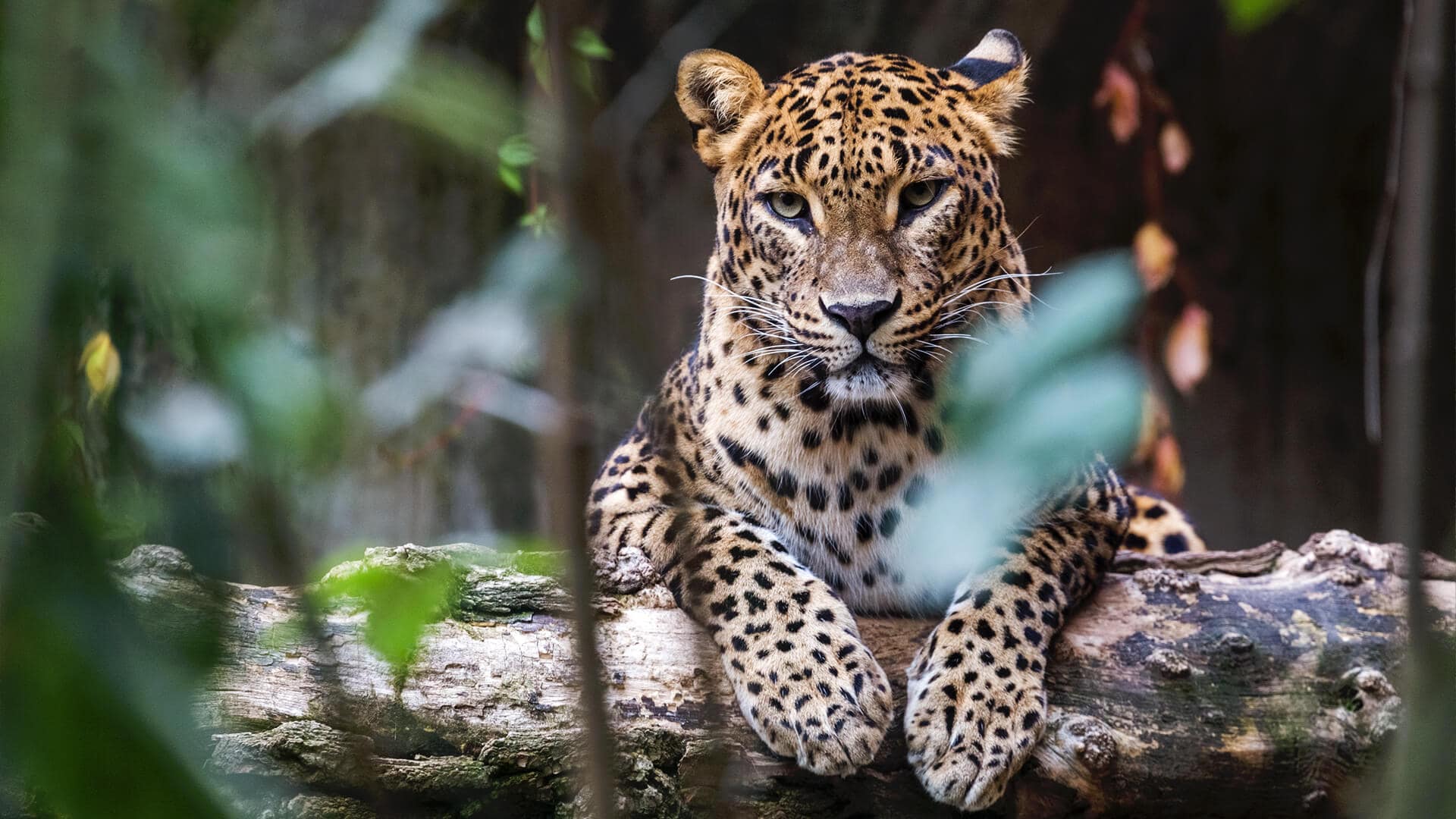
- →Leopards: Yala Block I, one of the highest leopard densities recorded anywhere.
- →Birds: Bundala's lagoons, with flamingos and migratory waders roughly September to March.
- →Turtles: Rekawa beach near Tangalle, where females come ashore to nest at night.
- →Whales: Mirissa, with blue whales offshore roughly December to April.
The 10-day wildlife and beach route, day by day
The 10-day wildlife and beach route front-loads the safaris while energy is high, then winds down along the coast. Days one to four cover Udawalawe, Yala and Bundala. Days five to nine move west along the coast from Tangalle to Unawatuna, with turtles, whales and reef fish worked into beach days rather than replacing them.
Times assume a morning arrival at Bandaranaike International Airport and an evening departure, in the December to April season. Every drive is approximate and depends on traffic, stops and the time of day.
- →Day 1: airport to Udawalawe, roughly four to four and a half hours, then the Elephant Transit Home feeding in the late afternoon.
- →Day 2: Udawalawe dawn safari, then roughly one and a half hours to Tissamaharama and sunset at Tissa Wewa.
- →Day 3: Yala Block I dawn safari from around 6am, a midday rest and an optional afternoon drive.
- →Day 4: Bundala at first light, then one and a half to two hours to Tangalle via Kalametiya lagoon.
- →Day 5: Tangalle beach day and a Rekawa turtle-nesting watch after dark.
- →Day 6: about an hour to Mirissa and an afternoon on the beach.
- →Day 7: whale watching from Mirissa harbour, out around 6.30am for three to five hours.
- →Day 8: 45 minutes to an hour to Unawatuna and an afternoon snorkelling.
- →Day 9: Kottawa rainforest at dawn or a beach morning, then Galle Fort in the late afternoon.
- →Day 10: roughly two to two and a half hours to the airport by expressway.
When to take a wildlife and beach holiday in Sri Lanka
December to April is the best time for this wildlife and beach itinerary. The north-east monsoon leaves the south and west coasts dry, the sea at Tangalle, Mirissa and Unawatuna is at its calmest, and Mirissa's whale-watching boats run most mornings. Yala is good throughout and at its driest, with animals drawn to waterholes, from roughly February.
From May to September the south-west monsoon makes the southern sea rough, and the better version moves to the east coast: Minneriya's elephant gathering, Pigeon Island's reef and Trincomalee's whales. Yala's Block I also closes for a few weeks each year, usually from about September to mid-October, so a trip in that window needs a different plan.
- →December to April: the canonical south-coast route, as set out above.
- →May to September: the east coast version, with Minneriya, Nilaveli and Pasikudah.
- →October and November: transitional months, with more rain and Yala's reopening to check.
Why three wildlife nights and six beach nights
Three wildlife nights are enough for Udawalawe, Yala and Bundala because each park works best in a single early session. Dawn and late afternoon are when animals move, and the hours in between are hot and quiet. A fourth safari night adds another Yala drive, which raises the odds of a leopard but rarely changes the overall picture.
Six beach nights are not idle. Tangalle holds Rekawa's turtles, Mirissa holds the whale boats and Unawatuna holds the reef, so the coast doubles as the second half of the wildlife trip. Splitting the six nights across three bases also keeps every drive under about two hours.
What a 10-day wildlife and beach holiday costs
A 10-day wildlife and beach holiday in Sri Lanka costs roughly US$1,000 to US$2,000 per person at a mid-range level, sharing a room and a private driver between two, and excluding international flights. A careful budget version can come in at around US$450 to US$750, and a luxury version with tented camps and beach villas starts at roughly US$3,000.
Wildlife activities are the line that surprises people. Park fees for foreign visitors are high by local standards, and jeeps are hired separately. All prices change, so treat these as planning ranges and confirm current rates before you book.
- →Car and driver: roughly US$50 to US$90 a day for the whole trip.
- →Yala half-day: roughly US$60 to US$100 per person in a shared private jeep, park fees included.
- →Udawalawe half-day: roughly US$40 to US$80 per person, park fees included.
- →Whale watching from Mirissa: roughly US$40 to US$80 per person.
- →Rekawa turtle watch: roughly US$10 to US$20 per person.
Watching wildlife responsibly on the route
Responsible wildlife watching on a Sri Lanka wildlife and beach holiday comes down to a few clear choices. Ride in a jeep whose driver keeps distance and stays on the tracks, choose a licensed whale-watching boat that approaches slowly, and watch turtles only through the Rekawa conservation project, with red light and no flash.
The route deliberately leaves out elephant rides and turtle hatcheries that keep animals in tanks. The Elephant Transit Home at Udawalawe is the ethical alternative for seeing young elephants: calves are fed from a viewing platform and then released into the wild, with no touching and no bathing.
Planning the wildlife and beach holiday
The wildlife and beach route is easiest with a private car and driver, because the parks are spread out and buses do not reach the safari gates at dawn. Book Yala and whale-watching dates first, then build the beach nights around them, since those two activities depend most on season and availability.
Lankan Stays & Trails plans this route as a private, driver-guided trip, arranging jeeps with drivers who keep their distance and licensed whale boats out of Mirissa. The pages linked below cover each variation: the east coast version for summer, the extra-safari and extra-beach versions, and how each wildlife experience fits the ten days.
Frequently asked questions
How many days do you need for a wildlife and beach holiday in Sri Lanka?
Ten days is the sweet spot. It allows three national parks, a turtle-nesting watch, a whale-watching morning and six nights on the beach without long drives. Seven days works with one park and two beach bases; two weeks lets you add Sinharaja rainforest or a second coast.
What is the best time for a safari and beach holiday in Sri Lanka?
December to April suits the southern route, with calm seas at Tangalle, Mirissa and Unawatuna and whale boats running from Mirissa. From May to September, the east coast takes over, pairing Minneriya's elephant gathering with Trincomalee's beaches and whales. Yala Block I usually closes from about September to mid-October.
Can you see leopards and whales on the same trip to Sri Lanka?
Yes. Yala National Park, for leopards, and Mirissa, for blue whales, are only about two and a half to three hours apart along the south coast. From December to April both are in season, and this itinerary visits Yala on day three and goes whale watching on day seven.
Is Yala or Udawalawe better on a wildlife and beach holiday?
Both fit, and this route uses both. Udawalawe is the most reliable park for wild elephants, while Yala is the best chance of a leopard. If you can only do one, choose Udawalawe for elephants and an easier drive, and Yala for leopards and a wider range of animals.
Which beach is best after a safari in Sri Lanka?
Tangalle is the nearest good beach to Yala, roughly one and a half to two hours away, and quiet enough to recover after early starts. Mirissa follows for whale watching, and Unawatuna, closest to the airport, ends the trip with snorkelling and Galle Fort.
How much does a 10-day safari and beach trip to Sri Lanka cost?
Roughly US$1,000 to US$2,000 per person at a mid-range level, sharing a room and a driver, excluding international flights. Budget versions start at around US$450 and luxury versions at around US$3,000. Safaris and whale watching add roughly US$150 to US$300 per person in total.