
Quick answer
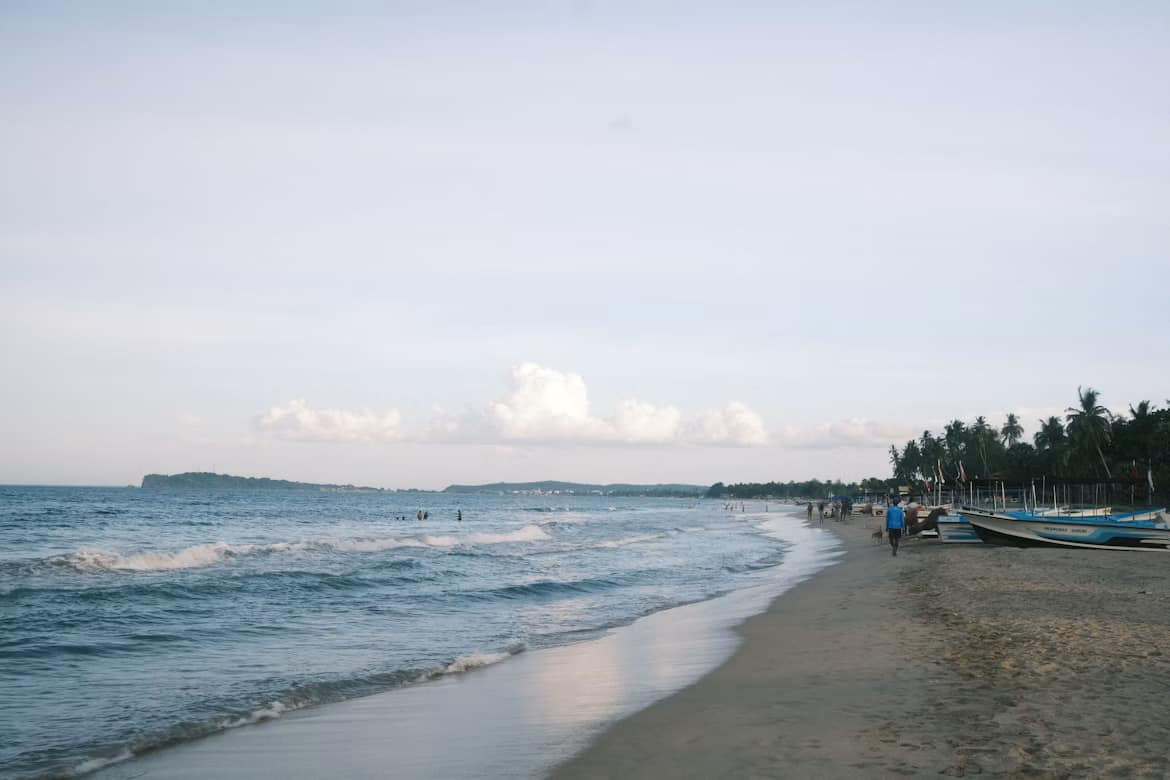
A Sri Lanka wildlife and beach holiday from May to September works best on the east coast: two nights at Habarana for the Minneriya or Kaudulla elephant gathering, three at Nilaveli for Pigeon Island's reef and Trincomalee's whales, three at Pasikudah for a calm, shallow bay, and a final night at Negombo near the airport. The gathering peaks roughly July to September, when hundreds of elephants can share the same grassland, and the east coast sea is at its calmest in the same months.
Key takeaways
- The summer route spends two nights at Habarana, three at Nilaveli, three at Pasikudah and one at Negombo.
- The Minneriya and Kaudulla elephant gathering peaks roughly July to September, as reservoirs shrink and grass grows on the exposed beds.
- Pigeon Island National Park, off Nilaveli, offers reef sharks, turtles and shallow coral roughly May to September.
- Whale-watching boats run from Trincomalee roughly May to October, the opposite season to Mirissa.
- Yala Block I usually closes from about September to mid-October, which is another reason to switch coasts in late summer.
Why the east coast takes over from May
Sri Lanka's two monsoons mean there is always a calm coast. From roughly May to September the south-west monsoon brings rain and heavy surf to Mirissa, Tangalle and Unawatuna, while the east coast from Trincomalee to Pasikudah sits in its dry season with flat, clear water.
The wildlife follows a similar logic. As the dry season deepens in the north-central plains, the reservoirs at Minneriya and Kaudulla shrink, fresh grass grows on their exposed beds, and elephants from the surrounding forests converge on them. That gathering is one of the largest regular congregations of Asian elephants anywhere.
- →May and June: east coast calm, gathering beginning, Trincomalee whale season under way.
- →July and August: the gathering builds, the east coast is at its best, and school holidays fill hotels.
- →September: the gathering often peaks, but rain can return to the east late in the month.
The May to September route, day by day
The summer wildlife and beach route runs in a loop through the north-central dry zone and down the east coast. Times assume a morning arrival at Bandaranaike International Airport, and every drive is approximate.
The summer route has nine nights in four bases, with the only long drive at the very end. Pasikudah to the west coast is roughly five and a half to six hours, so a final night in Negombo, about 20 minutes from the airport, keeps the last morning calm and protects against a missed flight.
- →Day 1: airport to Habarana, roughly four hours, with an evening at the hotel.
- →Day 2: Minneriya or Kaudulla afternoon jeep safari for the gathering, chosen on the day by where the herds are.
- →Day 3: Hurulu Eco Park at dawn, then two and a half to three hours to Nilaveli.
- →Day 4: Pigeon Island snorkelling in the morning, beach afternoon.
- →Day 5: whale watching from Trincomalee, out early for three to five hours.
- →Day 6: beach day at Nilaveli or Marble Beach.
- →Day 7: roughly three hours south to Pasikudah.
- →Days 8 and 9: Pasikudah's shallow bay, with a lagoon boat trip for birds.
- →Day 10: Negombo night or a direct transfer to the airport, roughly five and a half to six hours.
Seeing the elephant gathering
The Minneriya and Kaudulla gathering is best seen on an afternoon jeep safari, when herds come out of the forest to graze and drink on the reservoir beds. Drivers in Habarana usually know which park the elephants are favouring that week, so it is worth leaving the choice until the day.
Hurulu Eco Park, next to Habarana, holds elephants all year and is often quieter than Minneriya, which makes it a good second session. The Minneriya elephant gathering page on this site explains the timing, the parks and how to avoid the busiest afternoons.
Reef, whales and calm water on the east coast
Pigeon Island National Park is a small reserve about a kilometre off Nilaveli, with shallow coral, reef fish, turtles and blacktip reef sharks. Boats cross in around 15 minutes, and the snorkelling is best in the morning before wind and day-trippers arrive. Standing on or touching the coral is forbidden.
Trincomalee's whale-watching season runs roughly May to October, the reverse of Mirissa's. Blue and sperm whales are both possible, though sightings are never guaranteed and boats vary. Choose a licensed operator, and keep a spare morning in case the sea cancels the trip.
- →Pigeon Island: snorkelling, reef sharks and turtles, best May to September.
- →Trincomalee: whale watching roughly May to October, with blue and sperm whales possible.
- →Pasikudah: a very shallow, calm bay suited to non-swimmers and families.
How the summer route compares with the southern route
The summer wildlife and beach route trades leopards for elephants. Yala is not part of it, partly because it is far from the east coast and partly because Block I closes for a few weeks each year from about September. The reward is the gathering, which no southern park can match for sheer numbers.
The beach half is quieter than the south, with fewer cafés and less nightlife, and suits travellers who want calm water and space. Lankan Stays & Trails switches clients to this version from May, and builds in a spare morning at Nilaveli for the whale boat.
Frequently asked questions
Is it worth going to Sri Lanka in July for wildlife and beaches?
Yes, if you go east. In July the Minneriya and Kaudulla elephant gathering is building, the east coast from Trincomalee to Pasikudah is calm and dry, and Trincomalee's whale season is under way. Avoid basing yourself on the south coast, where the monsoon brings rough seas.
Where is the best beach in Sri Lanka in August?
The east coast is best in August. Nilaveli and Uppuveli near Trincomalee have clear water and access to Pigeon Island, while Pasikudah has a long, very shallow bay. Arugam Bay is busy with surfers. The south and west coasts are usually rough in August.
Can you see whales in Sri Lanka in the summer?
Yes, from Trincomalee on the east coast, roughly May to October. Blue and sperm whales are both seen, though sightings vary year to year and are never guaranteed. Mirissa's season on the south coast runs in the opposite months, roughly December to April.
When is the elephant gathering in Sri Lanka?
The gathering at Minneriya and Kaudulla usually runs roughly July to September, when the dry season shrinks the reservoirs and grass grows on the exposed beds. Numbers often peak in August and September. Exact timing depends on the year's rainfall, so local drivers are the best guide.
Can you go to Yala in summer?
Yes, from May to August Yala is open and dry, and wildlife gathers at waterholes. Block I usually closes from about September to mid-October. The summer route here skips Yala because it sits on the far side of the island from the calm east coast.
How long is the drive from Habarana to Nilaveli?
Roughly two and a half to three hours by road, through the dry zone via Kantale. The drive is straightforward with a private driver and can follow a dawn session at Hurulu Eco Park, arriving at Nilaveli in time for lunch and an afternoon on the beach.