
Quick answer
Sri Lanka punches far above its size for wildlife: leopards (best at Yala and Wilpattu), wild elephants (Udawalawe, Minneriya, Wilpattu, and the famous 'Gathering'), sloth bears, blue and sperm whales off Mirissa and Trincomalee, primates like purple-faced langurs and toque macaques, crocodiles, and a wealth of endemic birds, reptiles, and amphibians. The dry-zone national parks deliver the big mammals; the southwest rainforests and wetlands deliver the birds. One small island, an extraordinary range.
Key takeaways
- Sri Lanka is exceptionally wildlife-rich for its size, with many endemic species.
- Leopards: Yala and Wilpattu; elephants: Udawalawe, Minneriya, Wilpattu.
- Blue and sperm whales off Mirissa (Nov–Apr) and Trincomalee (May–Oct).
- Sloth bears, primates, crocodiles, and superb birdlife round out the cast.
- Dry-zone parks for big mammals; rainforests and wetlands for birds.
Leopards and sloth bears
The Sri Lankan leopard, an endemic subspecies, is the island's apex predator and the headline of any safari. Yala has one of the world's highest leopard densities, while Wilpattu offers a wilder, quieter experience. The elusive sloth bear is the other great prize, with sightings improving around June when palu trees fruit (especially in Wilpattu and Yala).
Both are gifts, never guaranteed. Patience and an ethical operator matter more than luck.
Elephants and the Gathering
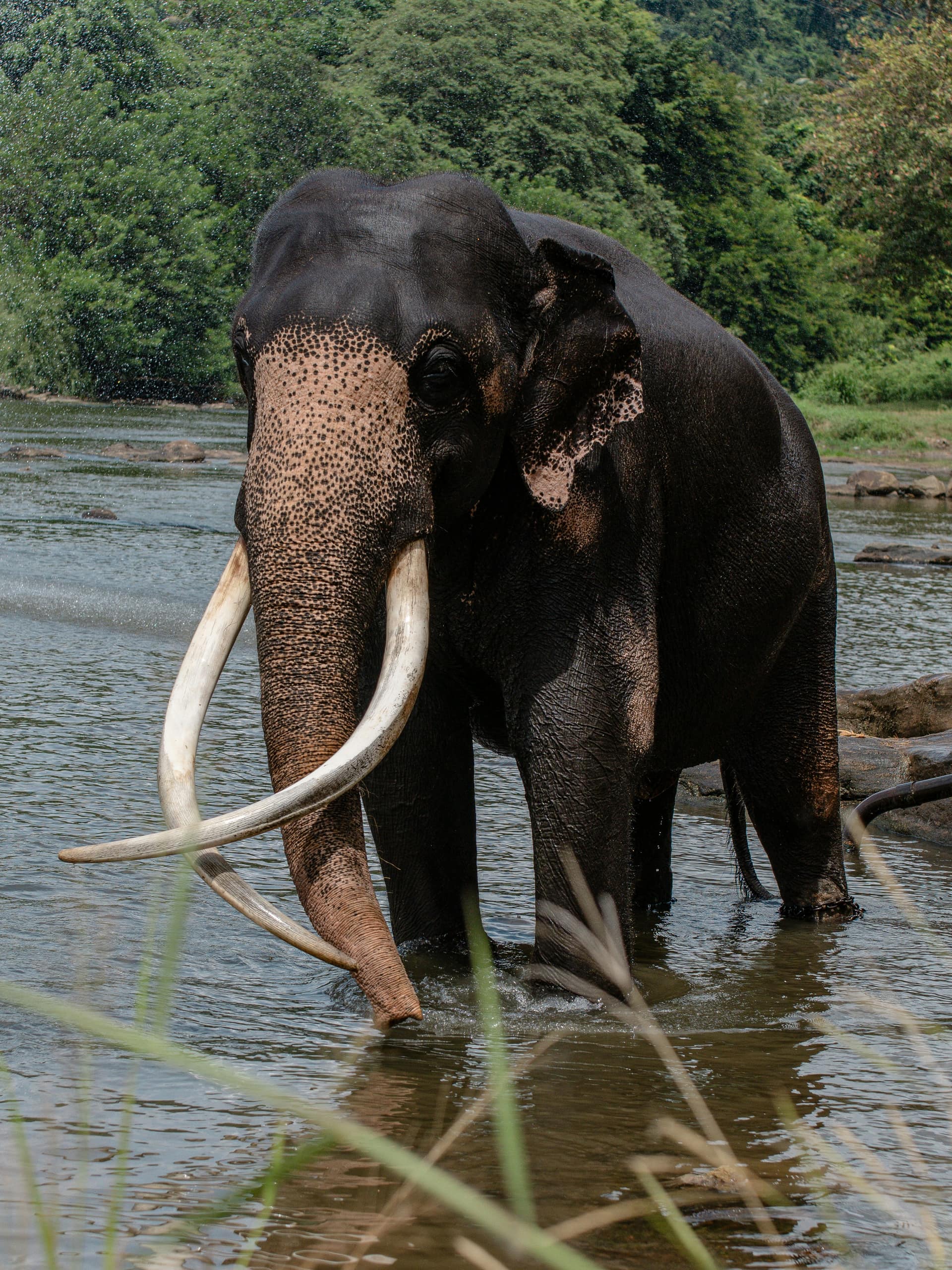
Wild Asian elephants roam many parks. Udawalawe is the most reliable for close, ethical sightings, while Minneriya and Kaudulla host the spectacular 'Gathering' (roughly July–September), when hundreds congregate around a receding tank. Wilpattu and Yala have them too.
Skip elephant rides and dubious 'orphanages'; see them wild, or at Udawalawe's release-focused Elephant Transit Home.
- →Udawalawe: reliable, ethical wild elephant sightings
- →Minneriya/Kaudulla 'Gathering': ~July–September
- →Avoid rides; favour wild viewing and real conservation
Whales, dolphins, and marine life
Sri Lanka is one of the best places on earth for blue whales (the largest animals ever), plus sperm whales and spinner dolphins. Watch off Mirissa (roughly November–April) and Trincomalee (roughly May–October). Reefs like Pigeon Island add turtles, reef fish, and harmless blacktip reef sharks.
Choose ethical, distanced boat operators that never chase.
Birds, primates, and the small wonders
Sri Lanka is a birding paradise, with dozens of endemic species best found in the Sinharaja rainforest and wetlands like Bundala. Primates (grey langurs, endemic purple-faced langurs, and cheeky toque macaques) are widespread, alongside crocodiles, monitor lizards, and a dazzling array of endemic frogs, butterflies, and reptiles.
The 'small' wildlife is as rewarding as the big cats if you slow down to look.
Planning a wildlife trip
A classic wildlife route pairs a dry-zone park (Yala or Wilpattu) with Udawalawe or Minneriya for elephants, a whale trip on the in-season coast, and a rainforest or wetland leg for birds, timed to the seasons. Two or more drives improve big-cat odds.
Lankan Stays & Trails plans ethical, season-smart wildlife itineraries. See our ethical-wildlife, leopard, and whale-watching guides, or share your dates.
Frequently asked questions
What wildlife can you see in Sri Lanka?
Leopards, wild elephants, sloth bears, blue and sperm whales, dolphins, primates like purple-faced langurs and toque macaques, crocodiles, and a wealth of endemic birds, reptiles, and amphibians, an extraordinary range for a small island.
Where is the best place to see leopards in Sri Lanka?
Yala has one of the world's highest leopard densities, while Wilpattu offers a wilder, quieter experience with a good chance of leopard plus sloth bear. Sightings are never guaranteed, so plan two or more drives.
Where can you see wild elephants in Sri Lanka?
Udawalawe is the most reliable for ethical close sightings, while Minneriya and Kaudulla host the famous 'Gathering' of hundreds of elephants around July–September. Wilpattu and Yala also have them.
When and where can you see whales in Sri Lanka?
Off Mirissa on the south coast roughly November to April, and off Trincomalee on the east coast roughly May to October. Sri Lanka is one of the world's best spots for blue whales. Choose ethical, distanced operators.
Is Sri Lanka good for birdwatching?
Excellent: dozens of endemic birds, best found in the Sinharaja rainforest and wetlands like Bundala, plus rich birdlife across the parks. It's a world-class birding destination, especially November to April.
Does Lankan Stays & Trails plan wildlife safaris?
Yes: ethical, season-smart wildlife itineraries pairing leopard parks, elephants, whales, and birding, with vetted operators and realistic expectations. Share your wildlife wishlist and dates for a tailored plan.