
Quick answer
Yala National Park is a protected area of roughly 1,000 square kilometres in south-east Sri Lanka, best known for the Sri Lankan leopard, which lives there at one of the highest densities recorded anywhere. Visitors explore by jeep on morning and afternoon drives of three to four hours, mostly in Block I from the Palatupana gate near Tissamaharama. The driest months are roughly May to September, and Block I usually closes from about September to mid-October.
Key takeaways
- Yala became one of Sri Lanka's first two national parks in 1938, together with Wilpattu, after decades as a sanctuary and, before that, a colonial hunting ground.
- Yala is divided into five numbered blocks, and Block I, entered from the Palatupana or Katagamuwa gate, takes most of the visitors and most of the leopard sightings.
- Beyond leopards, Yala holds wild elephants, sloth bears, mugger crocodiles, wild water buffalo and more than 200 recorded bird species.
- Tissamaharama and Kirinda are the usual bases, roughly 30 to 45 minutes from the main gate, and the airport is roughly four to five hours away by expressway.
- Every jeep in Yala carries a tracker from the Department of Wildlife Conservation, and visitors must stay in the vehicle except at designated stops.
What Yala National Park actually is
Yala National Park, also called Ruhuna National Park, is a protected area in Sri Lanka's south-east, spread across the Southern and Uva provinces. It covers roughly 1,000 square kilometres of the dry zone, where the land is flat, the scrub is thorny and most of the year's rain falls in a few months around the north-east monsoon.
The park is not one landscape but several. Open plains and thorn scrub give way to rock outcrops, freshwater tanks, brackish lagoons and a long, empty coastline of dunes and beach. That variety is why Yala holds so many species in a small area, and why two drives on the same day can feel completely different.
- →Location: south-east Sri Lanka, inland from Tissamaharama and Kirinda.
- →Size: roughly 1,000 square kilometres in five numbered blocks.
- →Climate: dry zone, with most rain roughly October to January.
- →Status: national park since 1938, managed by the Department of Wildlife Conservation.
The story of Yala, from Ruhuna to the tsunami
Yala's land was part of the ancient kingdom of Ruhuna, whose capital Magama stood at today's Tissamaharama. Monastic sites such as Sithulpawwa survive inside and around the park, so the scrub you drive through was once farmed and inhabited. Under British rule the area became a hunting ground, then a sanctuary from roughly 1900, and a national park in 1938.
On 26 December 2004 the Indian Ocean tsunami struck Yala's coast, destroying the Patanangala bungalow area and killing dozens of people inside the park. A memorial stands there today. The full history, the tsunami and the ancient kingdom each have their own page in this guide.
Yala National Park, part by part
Yala is divided into five blocks, with the Yala Strict Nature Reserve closed to visitors inside the protected complex. Almost every first visit uses Block I, and the others are worth knowing about if you want quieter tracks or a second day.
- →Block I: the most visited section, with the best-known leopard territories, entered from the Palatupana gate near Kirinda or the Katagamuwa gate near Kataragama.
- →Block II: adjoining Block I to the east, quieter and often combined with it.
- →Block III: reached from the Galge gate north-east of Kataragama, with forest and river country and far fewer jeeps.
- →Blocks IV and V: rarely visited, with access that changes; confirm locally before planning around them.
- →The coast: dunes, lagoons and beaches along the southern edge, including the tsunami memorial at Patanangala.
The wildlife of Yala National Park
The Sri Lankan leopard, an endemic subspecies, is Yala's headline animal. With no tigers or lions to compete with, it is the island's apex predator and is more often seen by day than leopards elsewhere. Sightings are never guaranteed, but two or three drives give most visitors a fair chance.
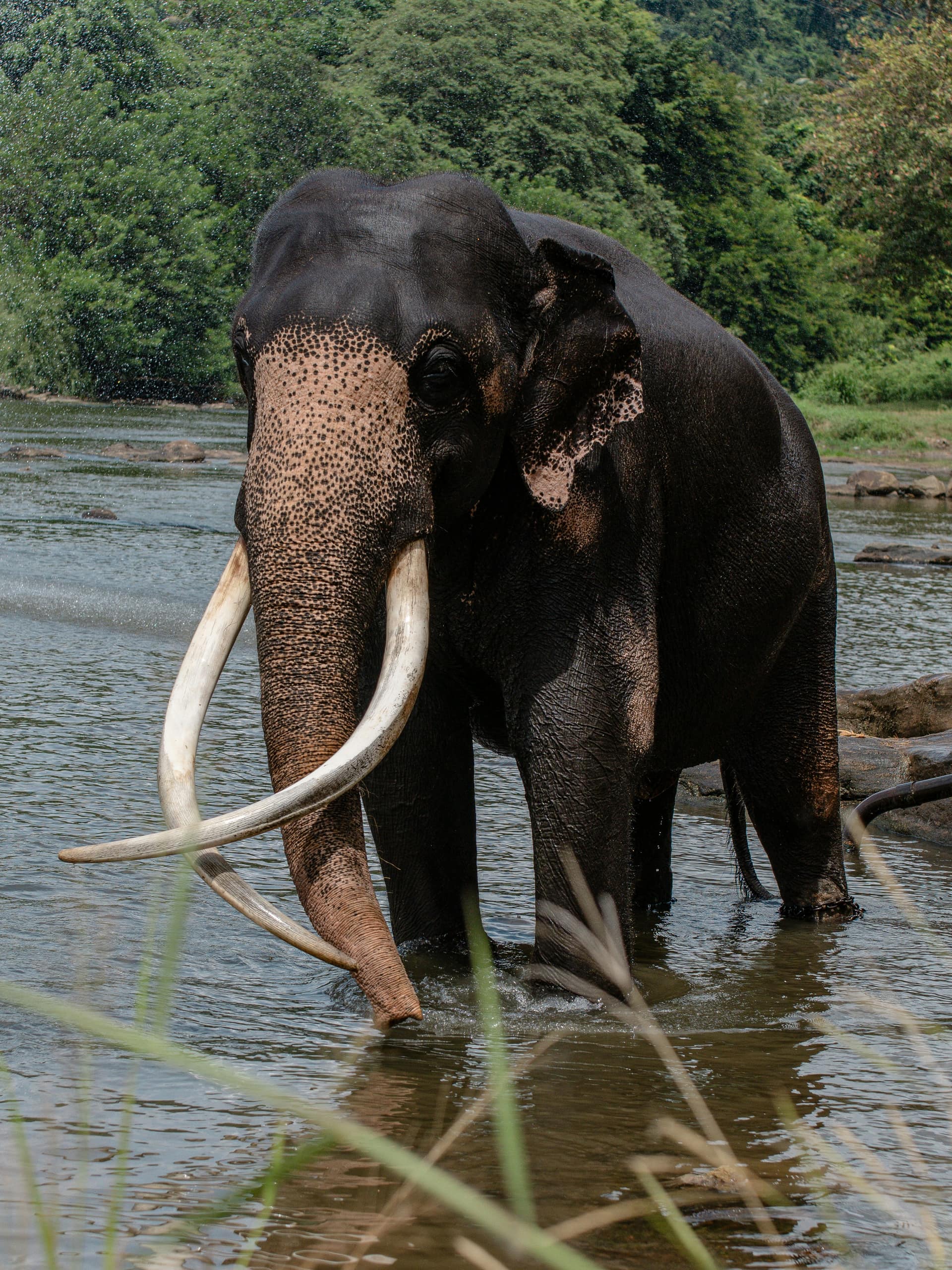
The leopard is far from the only reason to go. Wild elephants are seen on most drives, mugger crocodiles lie in nearly every waterhole, spotted deer and wild boar are everywhere, and the birdlife alone, from painted storks to Malabar pied hornbills, would justify the trip. Sloth bears are present but shy, and are most often seen from roughly May to July.
How a Yala safari runs
A Yala safari is a jeep drive with a driver and a tracker from the Department of Wildlife Conservation. Gates open around 6am and close around 6pm, so the usual choices are a morning drive from roughly 6am to 10 or 11am, an afternoon drive from roughly 2 or 3pm to 6pm, or a full day with a packed lunch at a designated stop. Tickets are bought at the gate, usually by your driver.
Lankan Stays & Trails books Yala with drivers who keep their distance at sightings, switch the engine off and do not race between radio calls. That approach costs nothing extra and makes a better morning for everyone, the leopard included.
- →Morning drive: roughly 6am to 10 or 11am, the best light and the most activity.
- →Afternoon drive: roughly 2 or 3pm to 6pm, warmer and often quieter.
- →Full day: gate to gate, with lunch at a designated stop.
When to visit Yala
Yala is driest from roughly May to September, when shrinking waterholes draw animals into the open. Most rain falls from roughly October to January, when the park is green, the tracks muddy and the visitors fewer. Block I usually closes for a few weeks from about September to mid-October; the dates change each year, so check before you book.
Time of day matters as much as month. The first hour after the gate opens is the coolest and the most active. Poya full-moon days and school holidays bring large numbers of domestic visitors, which is worth knowing when you choose your dates.
Frequently asked questions
What is Yala National Park famous for?
Yala National Park is famous for the Sri Lankan leopard, which lives in Block I at one of the highest densities recorded anywhere. It is also known for wild elephants, sloth bears, crocodiles, more than 200 bird species and a coastline of lagoons and beaches in Sri Lanka's dry south-east.
Where is Yala National Park?
Yala is in south-east Sri Lanka, across the Southern and Uva provinces. The main gate at Palatupana is roughly 30 to 45 minutes from Tissamaharama, the usual base, and the airport near Colombo is roughly four to five hours away by expressway.
How big is Yala National Park?
Yala covers roughly 1,000 square kilometres in five numbered blocks, with a strict nature reserve inside the protected complex that is closed to visitors. Most safaris use only Block I, which is a small fraction of the whole park.
How long is a safari in Yala?
A standard Yala safari lasts three to four hours: roughly 6am to 10 or 11am in the morning, or roughly 2 or 3pm to 6pm in the afternoon. Full-day drives run from gate opening to closing, with a packed lunch at a designated stop inside the park.
What is the best month to visit Yala?
The driest months in Yala are roughly May to September, when wildlife gathers at shrinking waterholes, although Block I usually closes from about September to mid-October. February to April is also good. The wettest stretch is roughly October to January.
Can you see leopards in Yala?
Yes, Yala gives some of the best leopard odds in Asia, but no sighting is ever guaranteed. Two or three drives, ideally including a dawn drive in Block I, give most visitors a fair chance. A patient driver who waits quietly does better than one who races between radio calls.
Does Lankan Stays & Trails arrange Yala safaris?
Yes. We arrange Yala safaris as part of private, driver-guided itineraries, with operators chosen for how they behave at sightings, two nights near the park where possible and a mix of morning and afternoon drives. Most trips pair Yala with the south coast or the hill country.