
Quick answer
On a typical Yala safari you will almost certainly see spotted deer, wild boar, water buffalo, mugger crocodiles, peafowl, langurs and many water birds, and very probably wild elephants. Leopards are a fair chance over two or three drives, especially in Block I. Sloth bears, sambar, golden jackals and monitor lizards are possible. Fishing cats, rusty-spotted cats and pangolins are rarely seen. The odds improve with more drives and an early start.
Key takeaways
- Spotted deer, wild boar, water buffalo, crocodiles and peafowl are seen on almost every Yala drive.
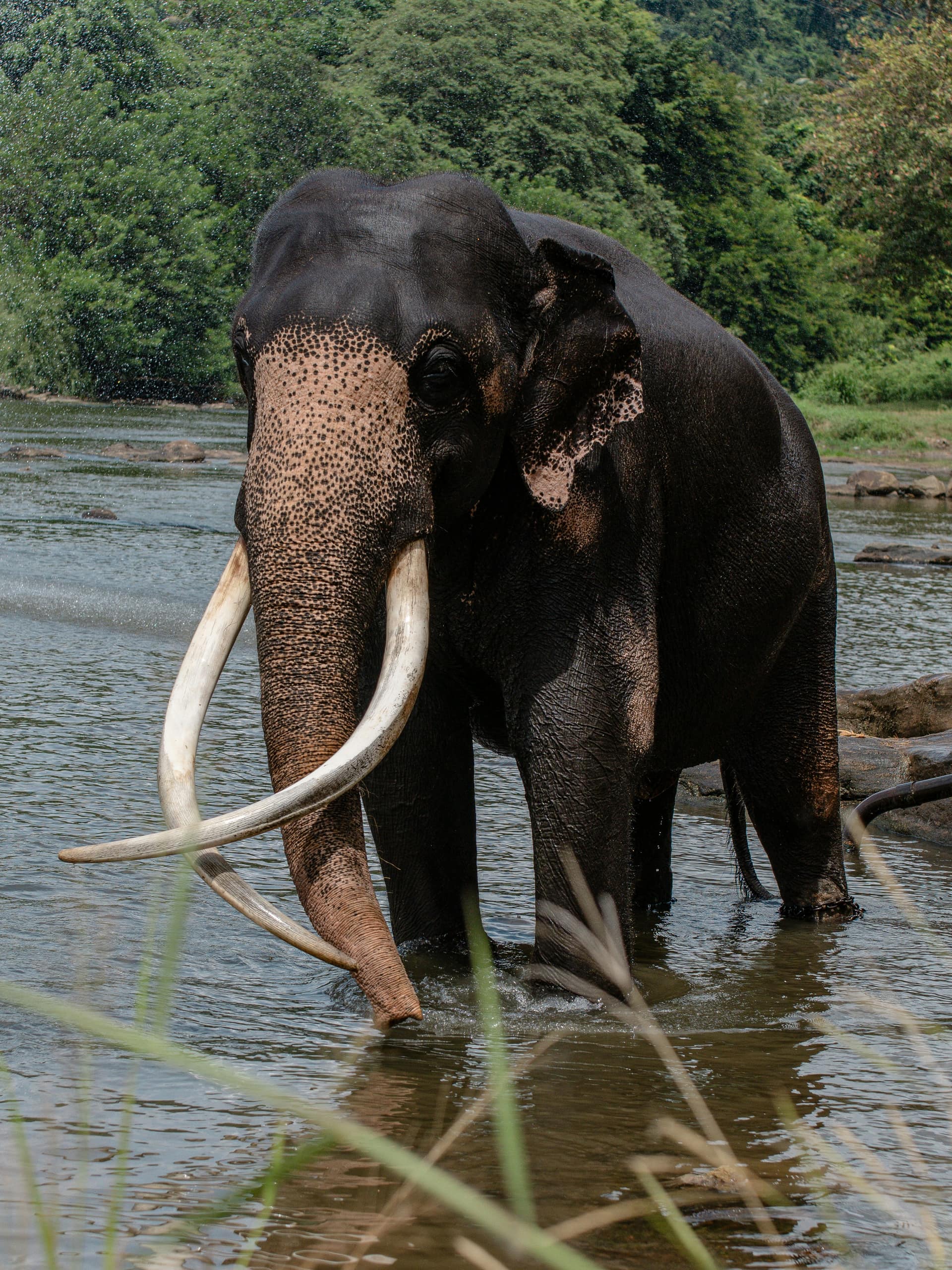
- Wild elephants are seen on most Yala drives, more reliably than leopards.
- Leopards are a fair chance in Yala's Block I over two or three drives, but never guaranteed on any one drive.
- Sloth bears are present in Yala but shy, and are most often seen from roughly May to July.
- Fishing cats, rusty-spotted cats and Indian pangolins live in Yala but are rarely seen by daytime visitors.
What you will almost certainly see in Yala
Some animals are so common in Yala that a drive without them would be unusual. Spotted deer graze on every plain, wild boar root along the tracks, and water buffalo wallow in the waterholes. Mugger crocodiles lie at the edge of nearly every tank, and peafowl are everywhere.
These animals are easy to overlook in the hunt for a leopard, and that is a mistake. They are the prey, the alarm system and the context for everything else, and the spotted deer herds in morning light are among the most beautiful sights in the park.
- →Spotted deer: herds on the plains on every drive.
- →Wild boar: along tracks and at waterholes.
- →Water buffalo: wallowing in tanks and lagoons.
- →Mugger crocodiles: in nearly every waterhole.
- →Peafowl, langurs and water birds: throughout.
What you will very probably see
Wild elephants are seen on most Yala drives, often a herd at a waterhole or a lone bull on the track. Toque macaques and tufted grey langurs gather in trees near water. Water monitors and land monitors are common, and painted storks, bee-eaters and hornbills appear on most drives.
Saltwater crocodiles are frequent in the lagoons near the coast. Mongooses, both ruddy and grey, cross the tracks often enough that most visitors see at least one.
- →Wild elephants: on most drives.
- →Toque macaques and tufted grey langurs: near water.
- →Monitor lizards: water and land monitors.
- →Mongooses: ruddy and grey.
What you have a fair chance of seeing
The Sri Lankan leopard is a fair chance in Yala's Block I, and better over two or three drives than one. Sightings range from a tail disappearing into scrub to a cat lying on a rock for twenty minutes. Golden jackals and sambar are also possible on most stays.
Sloth bears are in this category only in season. From roughly May to July, when palu trees fruit, they come into the open more often; outside that window a sighting is a stroke of luck.
- →Leopard: a fair chance over two or three drives.
- →Golden jackal and sambar: possible on most stays.
- →Sloth bear: possible from roughly May to July.
The rare animals of Yala
Several animals live in Yala but are rarely seen by daytime visitors. The fishing cat and the rusty-spotted cat, one of the world's smallest wild cats, are mainly nocturnal. The Indian pangolin and the porcupine are almost never seen in daylight.
Star tortoises, Indian pythons and Russell's vipers are present but seldom noticed. Seeing any of these is a good reason to thank your tracker.
How to improve your odds in Yala
More time in the park is the single biggest factor. Two nights near Yala allow an afternoon and a dawn drive, and three allow a full day. Being at the gate at opening, choosing the dry season and staying patient at a promising spot all help.
Lankan Stays & Trails suggests at least two drives for anyone who has come to Yala for leopards. The rest of the list takes care of itself.
- →Book at least two drives, one at dawn.
- →Visit in the dry season, roughly May to September.
- →Choose a driver who waits rather than races.
- →Ask your tracker to listen for alarm calls.
Frequently asked questions
What animals can you see in Yala National Park?
On a Yala safari you will almost certainly see spotted deer, wild boar, water buffalo, crocodiles, peafowl and langurs, and very probably elephants. Leopards are a fair chance over two or three drives. Sloth bears, jackals and sambar are possible; small cats and pangolins are rare.
Does Yala have the big five?
No. The big five is an African term for lion, leopard, elephant, buffalo and rhino. Yala has leopards, elephants and water buffalo, but no lions or rhinos. Sri Lanka's own wildlife highlights are often given as leopard, elephant, sloth bear, blue whale and sperm whale.
Are there tigers in Yala?
No. There are no tigers in Sri Lanka, and none in Yala. The Sri Lankan leopard is the largest predator on the island, which is one reason it behaves more boldly and is seen by day more often than leopards in tiger country.
Can you see sloth bears in Yala?
Yes, but they are shy. Sloth bears are present in Yala and are seen most often from roughly May to July, when palu trees fruit and bears come into the open to feed. Outside that season, a sighting is a matter of luck.
Are there snakes in Yala?
Yes. Yala has Indian pythons, Russell's vipers, cobras and many other snakes, but visitors in jeeps rarely see them. As long as you stay in the vehicle except at designated stops, snakes are not a concern on safari.
How many drives do you need to see a leopard in Yala?
There is no guarantee, but two or three drives in Block I give most visitors a fair chance. One drive is a gamble. A dawn drive is usually the best single bet, and a full day gives the most time in leopard country.