
Quick answer
A digital-detox tropical escape in Sri Lanka combines a quiet east-coast base at Trincomalee, a cooler hill-country stop in Nuwara Eliya, and a final south-coast stretch near Mirissa, chosen for low-key settings rather than resort nightlife or a packed sightseeing schedule. The trip works best over roughly seven to nine days, leaving deliberate gaps between stops for genuinely offline time rather than back-to-back excursions.
Key takeaways
- Trincomalee's east coast is generally quieter and less developed than the west and south coast, suiting travellers seeking fewer crowds and less stimulation.
- Nuwara Eliya sits at a real elevation of roughly 1,868 metres, with daytime highs typically 16-20°C, a genuinely different, slower-paced scene from the tropical coast.
- Mirissa's whale watching season, roughly November to April, offers one structured activity within an otherwise deliberately unscheduled trip.
- Sri Lanka's two-monsoon system means Trincomalee's calmer season runs roughly May to September, broadly the opposite of the west and south coast's own drier stretch.
- A seven- to nine-day trip with only three bases leaves noticeably more unscheduled time per stop than a touring itinerary covering five or six regions.
What makes a destination suit a digital detox
A genuine digital detox depends less on a destination lacking connectivity and more on it lacking the pressure to fill every hour with something scheduled. Trincomalee, Nuwara Eliya and Mirissa were chosen for this itinerary because each offers long, quiet stretches, a calm bay, a cool hillside, a wide beach, rather than a dense list of must-see sites.
This is a deliberately different shape from a touring itinerary: fewer bases, more nights at each, and itinerary gaps left unfilled on purpose rather than treated as wasted time.
Trincomalee: a quieter east-coast base
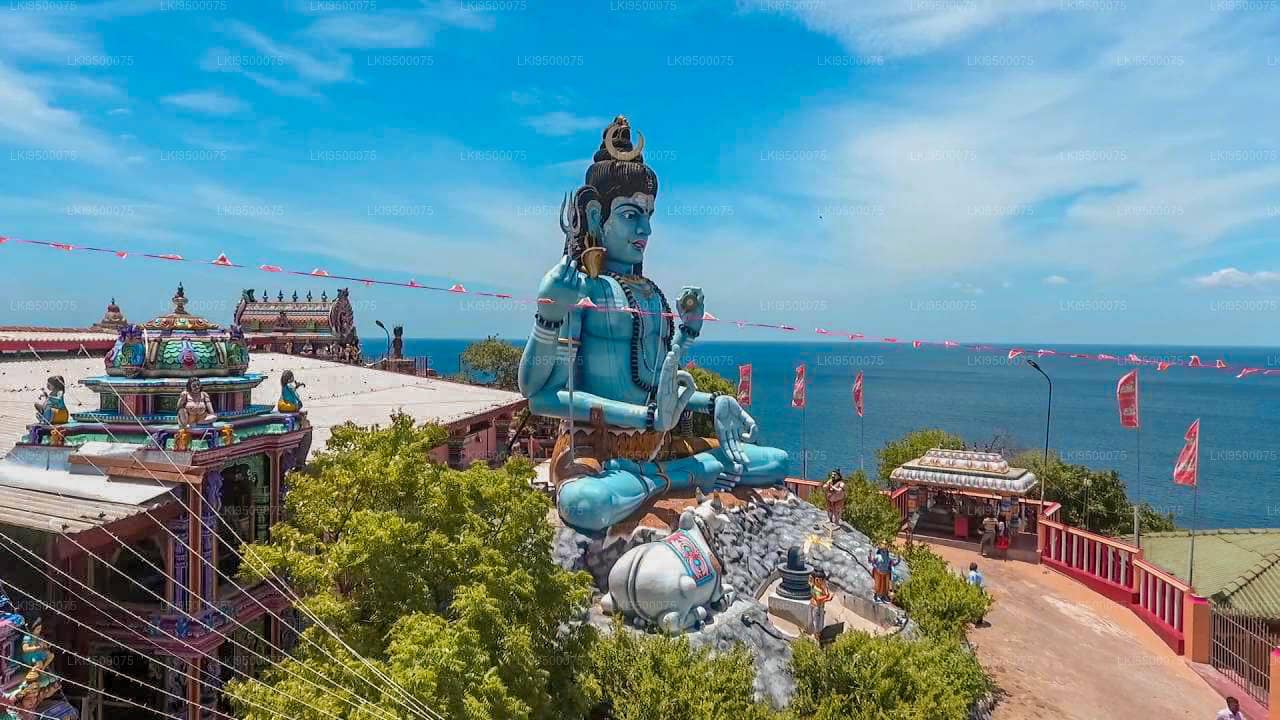
Trincomalee sits on Sri Lanka's east coast and is generally less developed and quieter than the west and south coast's resort towns, with long stretches of open beach and calmer water for much of the year. Nearby Pigeon Island offers a low-key snorkelling day for travellers wanting one gentle activity rather than a packed excursion schedule.
Under Sri Lanka's two-monsoon system, the east coast's calmer season generally runs roughly May to September, broadly the opposite of the west and south coast's own drier months, worth factoring in when timing this leg of the trip.
- →Trincomalee's calmer season: roughly May to September, opposite the west and south coast's own dry stretch.
- →Pigeon Island: a short boat ride offshore, suited to a single unhurried snorkelling day.
- →Generally less developed and quieter than west and south coast resort towns.
Nuwara Eliya: cool hill-country stillness
Nuwara Eliya sits at a real elevation of roughly 1,868 metres, with daytime highs typically 16-20°C, sometimes dropping close to or below 10°C at night, particularly December to February. The cooler air and tea-terraced landscape create a genuinely different mood from the tropical coast, well suited to slow mornings and short, unstructured walks rather than a full sightseeing day.
This stop also functions as a deliberate mid-trip reset: the change in temperature and scenery gives the rest of the itinerary a natural pause, something a single coastal base cannot offer within one trip.
- →Elevation: roughly 1,868 metres, with daytime highs typically 16-20°C.
- →Night temperatures: can drop close to or below 10°C, especially December to February.
- →Tea-terraced landscape suited to slow, short walks rather than a packed schedule.
Mirissa: winding down on the south coast
Mirissa closes the trip on the south coast, with sea temperatures typically around 27-29°C and a beach and headland suited to unstructured days. Its blue whale watching season, roughly November to April, is the one genuinely structured activity worth building into an otherwise open schedule, since it requires an early-morning boat departure.
Outside that season, Mirissa functions simply as a quiet final base, a deliberate contrast to Nuwara Eliya's cool hillside before flying home.
Building genuine downtime into the itinerary
The key difference between this itinerary and a standard touring route is the number of unscheduled half-days built in at each base, generally at least one full unscheduled day per stop, rather than treating every day as an excursion opportunity.
Lankan Stays & Trails builds this kind of trip as a private, driver-guided route with a lighter daily plan than its touring itineraries, leaving the pace largely up to the traveller once each base is reached.
- →At least one fully unscheduled day recommended at each of the three bases.
- →Longer stays (3+ nights) per base rather than the shorter 1-2 night stops typical of a touring route.
- →Transfers timed for daylight hours to avoid rushed, late-arrival travel days.
What to leave behind (and what not to)
A genuine digital detox does not require leaving a phone behind entirely, since it remains useful for photos, translation and emergencies; the more meaningful step is deliberately reducing how much of each day is spent online, rather than relying on patchy signal to enforce it.
Printed or downloaded offline maps, a physical book, and simply not pre-booking every excursion in advance all support the slower pace this itinerary is built around, more than any specific destination's connectivity does on its own.
Frequently asked questions
Where is the quietest coast in Sri Lanka for a digital detox?
Trincomalee on the east coast is generally quieter and less developed than the west and south coast's resort towns, with long open beaches and, at Pigeon Island, a low-key snorkelling day rather than a packed excursion schedule.
Is Nuwara Eliya good for switching off?
Yes, its elevation of roughly 1,868 metres and cooler daytime highs of 16-20°C create a genuinely different, slower-paced mood than the tropical coast, well suited to short walks and quiet mornings rather than a full sightseeing itinerary.
How many days should a digital-detox trip to Sri Lanka be?
Roughly seven to nine days works well, allowing three or more nights at each of three bases with genuine unscheduled time, rather than the shorter one- to two-night stops typical of a faster-paced touring itinerary.
Does Trincomalee have good internet or phone signal?
Coverage exists in the main town and most accommodation, so a genuine detox is more about deliberately reducing screen time than relying on a lack of signal, since connectivity in Trincomalee is generally reasonable rather than absent.
When is the best time to visit Trincomalee?
Trincomalee's calmer season generally runs roughly May to September, under Sri Lanka's two-monsoon system, broadly the opposite of the west and south coast's own drier stretch. Confirm current conditions before travel since this varies year to year.
Can you combine hill country and beach in one Sri Lanka trip?
Yes, Nuwara Eliya's cool hill country is reachable by road within a few hours of both the east and south coast, making it a natural mid-trip stop between a quieter beach base and a final coastal stretch such as Mirissa.
Is Mirissa a relaxing place to end a Sri Lanka trip?
Yes, particularly outside its structured whale watching season, roughly November to April, when it functions simply as a quiet beach base with sea temperatures typically around 27-29°C, well suited to an unstructured final few days.