
Quick answer
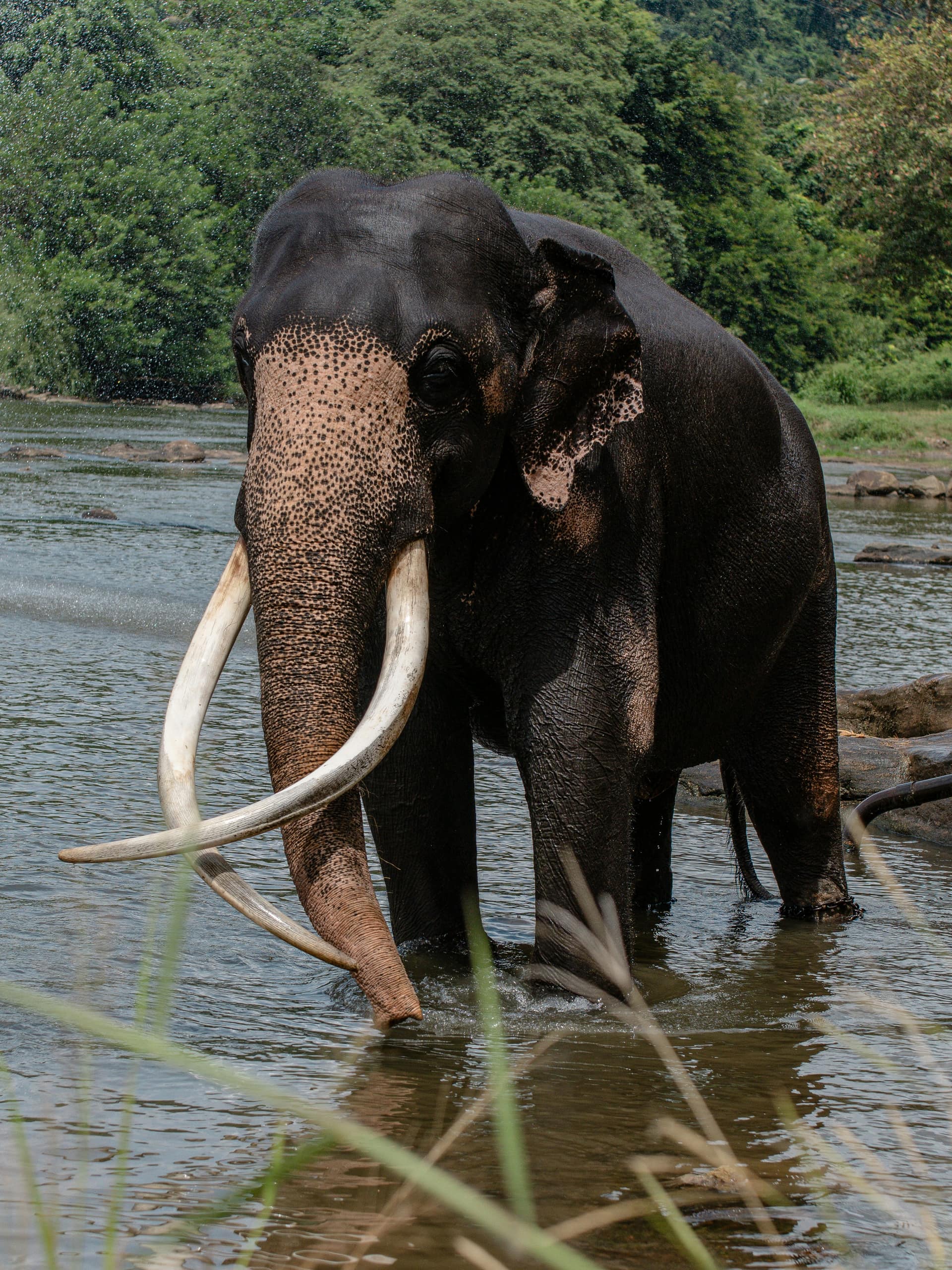
Sri Lanka has a large wild Asian elephant population, best seen ethically in the dry-zone national parks. Udawalawe is the most reliable for close wild sightings; Minneriya and Kaudulla host the spectacular 'Gathering' of hundreds of elephants (roughly July–September); and Wilpattu and Yala have them too. For a contact-free conservation experience, visit Udawalawe's Elephant Transit Home, which rehabilitates and releases orphaned calves. Skip elephant rides and unverified 'orphanages'.
Key takeaways
- See elephants wild. Udawalawe is the most reliable park for sightings.
- Minneriya/Kaudulla 'Gathering': hundreds congregate ~July–September.
- The Udawalawe Elephant Transit Home rehabilitates and releases calves (no contact).
- Skip elephant rides and unverified 'orphanages' for welfare reasons.
- Keep your distance and never block or surround a herd.
Seeing wild elephants
The right way to experience elephants in Sri Lanka is wild, in a national park. Udawalawe, ringed by a reservoir, is the most dependable: herds, mothers with calves, and lone tuskers are seen on most drives. Wilpattu and Yala add elephants to their leopard-and-more mix, and the dry-zone parks generally deliver reliable sightings.
Keep a respectful distance, never block their path, and let the animals set the terms.
The Gathering: a wildlife spectacle
From roughly July to September, as the Minneriya tank recedes, hundreds of wild elephants converge on the fresh grass and water in one of Asia's greatest wildlife events: the Gathering. When Minneriya is busy, herds shift to nearby Kaudulla or Eco Park, and a good guide knows where they are that week.
Late afternoon is the classic time, the herds drifting to the water as the light turns gold. Choose operators who keep distance and don't crowd the animals.
- →Peaks roughly July–September at Minneriya/Kaudulla
- →Hundreds of elephants in one place, rare on earth
- →Late afternoon is best; base in Habarana
- →Pick ethical operators who don't crowd the herd
The Elephant Transit Home
For a young-elephant encounter without exploitation, the Udawalawe Elephant Transit Home is the model: it rehabilitates orphaned calves and releases them back to the wild. Visitors watch a feeding from a distance (there's no riding, washing, or contact), so your visit supports genuine conservation.
It pairs perfectly with a wild Udawalawe safari for a full, ethical elephant day.
What to avoid (and why)
Skip elephant rides, 'bathing' encounters, and any 'orphanage' without transparent welfare policies. Captive elephant tourism raises serious welfare concerns and is entirely unnecessary when wild elephants are so accessible here.
Choosing wild viewing and real conservation projects sends a clear signal and gives you a better experience too.
Planning an ethical elephant trip
Combine Udawalawe (reliable wild sightings plus the Transit Home) with the Minneriya Gathering if you're travelling July–September, basing in Habarana for the Cultural Triangle. Two angles, both ethical, both unforgettable.
Lankan Stays & Trails plans elephant experiences around wild viewing and real conservation, with vetted operators. See our ethical-wildlife and Habarana guides, or share your dates.
Frequently asked questions
Where can you see wild elephants in Sri Lanka?
Udawalawe is the most reliable park for close wild sightings, while Minneriya and Kaudulla host the famous 'Gathering' of hundreds of elephants around July–September. Wilpattu and Yala also have wild elephants.
What is the Minneriya Gathering?
The Gathering is one of Asia's greatest wildlife spectacles: hundreds of wild elephants converging on the receding Minneriya tank (roughly July–September) for fresh grass and water. Herds move between Minneriya, Kaudulla, and Eco Park.
Is it ethical to ride elephants in Sri Lanka?
No. Elephant rides and unverified 'orphanages' raise serious welfare concerns and are unnecessary when you can see wild elephants on a safari or visit Udawalawe's contact-free Elephant Transit Home.
What is the Udawalawe Elephant Transit Home?
It's a conservation facility that rehabilitates orphaned elephant calves and releases them back into the wild. Visitors watch a feeding from a distance, with no riding or contact, making it the ethical way to see young elephants up close.
When is the best time to see elephants in Sri Lanka?
Udawalawe is good year-round, while the Minneriya/Kaudulla Gathering peaks roughly July to September. Late afternoon is the best time for elephants near the water in the dry-zone parks.
Does Lankan Stays & Trails arrange ethical elephant experiences?
Yes. We plan wild elephant viewing at Udawalawe, Minneriya, and Wilpattu, plus the Transit Home, with vetted ethical operators and no rides. Share your dates for a tailored plan.