
Quick answer
The Sinhala and Tamil New Year usually falls on 13 and 14 April and is Sri Lanka's biggest national holiday. In Ella it brings domestic travellers to the hill country, busier trains and roads, fuller guesthouses and some shops and businesses closing for a day or two around the auspicious times. It is also a chance to see traditions such as oil lamps, kiribath, sweets and village games. Book ahead, carry cash, expect closures and treat any invitation to join celebrations as a privilege.
Key takeaways
- The Sinhala and Tamil New Year usually falls on 13 and 14 April and marks the sun's move into Aries in the traditional calendar.
- Domestic travel to the hill country peaks around the New Year, filling trains, roads and guesthouses in Ella.
- Some shops, restaurants and services in Ella close for a day or two around the New Year's auspicious times.
- Traditions include lighting the hearth at an auspicious time, kiribath (milk rice), sweets such as kavum and kokis, and village games.
- April weather in Ella brings more afternoon showers as the inter-monsoon period begins.
What the Sinhala and Tamil New Year is
The Sinhala and Tamil New Year, Aluth Avurudu in Sinhala and Puthandu in Tamil, marks the start of the traditional new year, when the sun moves from Pisces into Aries. It usually falls on 13 and 14 April and is Sri Lanka's most important national holiday for both communities.
Unlike lunar festivals, its date is fairly stable, though the exact auspicious times for each ritual are calculated by astrologers and announced each year. Families follow these times for activities such as lighting the hearth, cooking the first meal and exchanging gifts.
- →Usually 13 and 14 April each year.
- →Celebrated by Sinhala and Tamil communities.
- →Auspicious times for rituals are announced annually.
- →Many businesses close around the key days.
What the New Year means for visitors in Ella
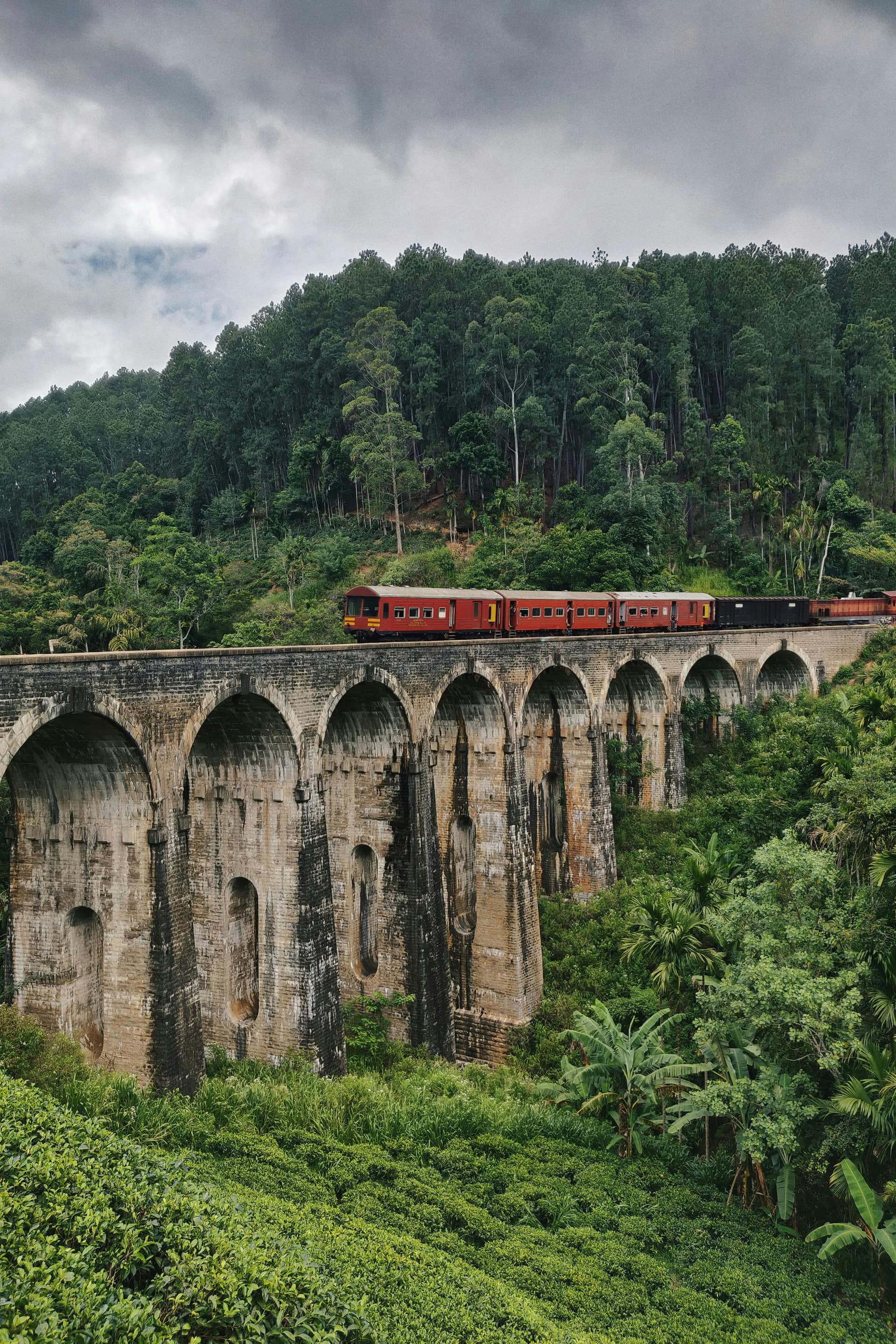
For visitors in Ella, the New Year means crowds and closures as well as celebrations. Many Sri Lankan families holiday in the hill country in April, so trains, roads and guesthouses are busy. The period around the New Year is sometimes called the April season in the hills.
Some shops, restaurants and services close for a day or two around the key days, and many staff return to their home villages. Guesthouses usually stay open, but may offer simpler service. Transport can be crowded before and after the holiday as people travel home and back.
For many visitors, though, the atmosphere more than makes up for the inconvenience. The hill country is full of Sri Lankan families on holiday, firecrackers mark the auspicious moments, and the mood in Ella is noticeably more local than in the peak international months. It is a rare chance to see the town as a place where Sri Lankans themselves come to relax.
- →Book stays and trains well ahead.
- →Expect some closures for a day or two.
- →Carry enough cash in case ATMs run low.
- →Expect busy roads and trains before and after the holiday.
New Year traditions you may see in Ella
The New Year is rich in tradition, and visitors in Ella may see some of it in homes, temples and villages. At the auspicious time, families light the hearth and boil milk until it overflows, a sign of prosperity. Kiribath, rice cooked in coconut milk, is the first meal, served with sweets such as kavum, kokis and aasmi.
Village games and competitions, from tug of war to pillow fights on a pole and the search for the hidden object, take place in many communities. Traditional drumming, the sound of the raban, fills the air. Guesthouse hosts often share sweets with guests.
- →Lighting the hearth and boiling milk at the auspicious time.
- →Kiribath, milk rice, as the first meal.
- →Sweets such as kavum, kokis and aasmi.
- →Village games and raban drumming.
Ella's weather in April
April is a transitional month in Ella. The clear, settled weather of January to March gives way to the inter-monsoon period, with more afternoon cloud, showers and thunderstorms. Mornings are often still clear, so walks are best early.
Temperatures are warm by day, in the low to mid twenties Celsius, and the hill country's cool air is exactly why so many Sri Lankan families escape the lowland heat to the hills at this time.
Joining in respectfully
If you are invited to share New Year sweets or join a celebration in Ella, it is a genuine privilege. Accept with thanks, follow your hosts' lead, and dress modestly. A small gift, such as fruit or sweets, is a kind gesture if you visit a home.
Respect the auspicious times, when families may be focused on rituals, and ask before photographing people or ceremonies. Patience helps too, since service may be slower while staff celebrate.
Planning Ella around the New Year
If you want to experience the New Year, plan Ella for mid-April, book early and embrace the busy, festive atmosphere. If you want quiet, avoid the days immediately before and after, when domestic travel peaks.
Lankan Stays & Trails plans April routes with holiday closures and crowds in mind, and works with family guesthouses in Ella where guests are often welcomed into the celebrations.
Frequently asked questions
When is the Sinhala and Tamil New Year?
The Sinhala and Tamil New Year usually falls on 13 and 14 April each year, marking the sun's move into Aries in the traditional calendar. The exact auspicious times for rituals are announced annually by astrologers.
Is Ella busy during the Sinhala and Tamil New Year?
Yes. Many Sri Lankan families holiday in the hill country in April, so Ella's trains, roads and guesthouses are busy around the New Year. Book stays and train seats well ahead and expect crowded transport before and after the holiday.
Do shops close in Ella for the New Year?
Some shops, restaurants and services close for a day or two around the key days, as staff return to their home villages. Guesthouses usually stay open. Carry enough cash in case ATMs run low, and expect slower service.
What are the Sinhala New Year traditions?
Traditions include lighting the hearth and boiling milk at an auspicious time, eating kiribath (milk rice) and sweets such as kavum and kokis, exchanging gifts, visiting relatives and playing village games, often to the sound of raban drums.
Is April a good time to visit Ella?
April is festive and still often clear in the mornings, though afternoon showers become more frequent. The New Year brings crowds and some closures. It is a rewarding time to experience local culture, provided you book early.
Can tourists join New Year celebrations in Ella?
Sometimes, particularly in family guesthouses, where hosts often share sweets or invite guests to join. Accept graciously, follow your hosts' lead, dress modestly and ask before photographing people or rituals.
Are trains to Ella busy in April?
Yes, especially in the days before and after the New Year, when many people travel to and from the hill country. Reserved seats sell out early. Book as soon as possible, and have a road-based backup plan.