
Quick answer
Experiencing Sri Lanka's wildlife ethically means choosing operators that prioritise the animals: safaris that keep their distance, wait engine-off, and never drive off-road or crowd a sighting; whale-watching boats that approach slowly and keep their distance; genuine elephant conservation like the Udawalawe Elephant Transit Home rather than rides or unverified 'orphanages'; and turtle projects focused on conservation and release, not photos. The best encounters happen on the animal's terms.
Key takeaways
- Ethics is about behaviour at the sighting: distance, patience, and no crowding or chasing.
- Choose safari operators who wait engine-off and refuse off-road driving.
- Whale boats should approach slowly and keep their distance. Never chase.
- Skip elephant rides; favour real conservation like Udawalawe's Elephant Transit Home.
- Choose turtle projects that release hatchlings, not ones that display captive turtles.
Why ethics is the whole point
Wildlife tourism can protect animals and fund conservation, or it can stress and harm them. In Sri Lanka the pressure is real: too many jeeps crowding a single leopard, boats chasing whales, captive elephants giving rides. The good news is that responsible options exist for every experience, and they're usually the better experience too.
The guiding principle is simple: the animal should be free to behave naturally (to surface, feed, rest, or move on) on its own terms. If an activity changes the animal's behaviour for a photo, it's not ethical.
Ethical safaris: leopards, bears & elephants in the wild
On safari at Yala, Wilpattu, or Udawalawe, the operator's conduct is everything. Good drivers keep their distance, switch the engine off and wait, refuse off-road driving, and never join a scrum of jeeps around one animal. They read behaviour rather than racing the radio.
Quieter parks like Wilpattu, and limiting how many drives you cram in, also reduce pressure on the wildlife. Sightings are never guaranteed, and treating them as a gift, not a given, is part of the ethic.
- →Distance kept and engine off at every sighting
- →No off-road driving (it's illegal and damages habitat)
- →No crowding: good operators rotate away from jeep scrums
- →No flash photography; voices low near animals
Responsible whale & dolphin watching
Off Mirissa (roughly November–April) and Trincomalee (roughly May–October), blue and sperm whales draw crowds of boats. Responsible operators carry life jackets, approach slowly, keep a set distance, never box animals in, and never chase at speed.
Book through regulated harbours rather than beach touts, favour smaller well-run boats, and respect a skipper's decision to cancel for weather or to back off from an animal.
Elephants: skip the rides, support real conservation
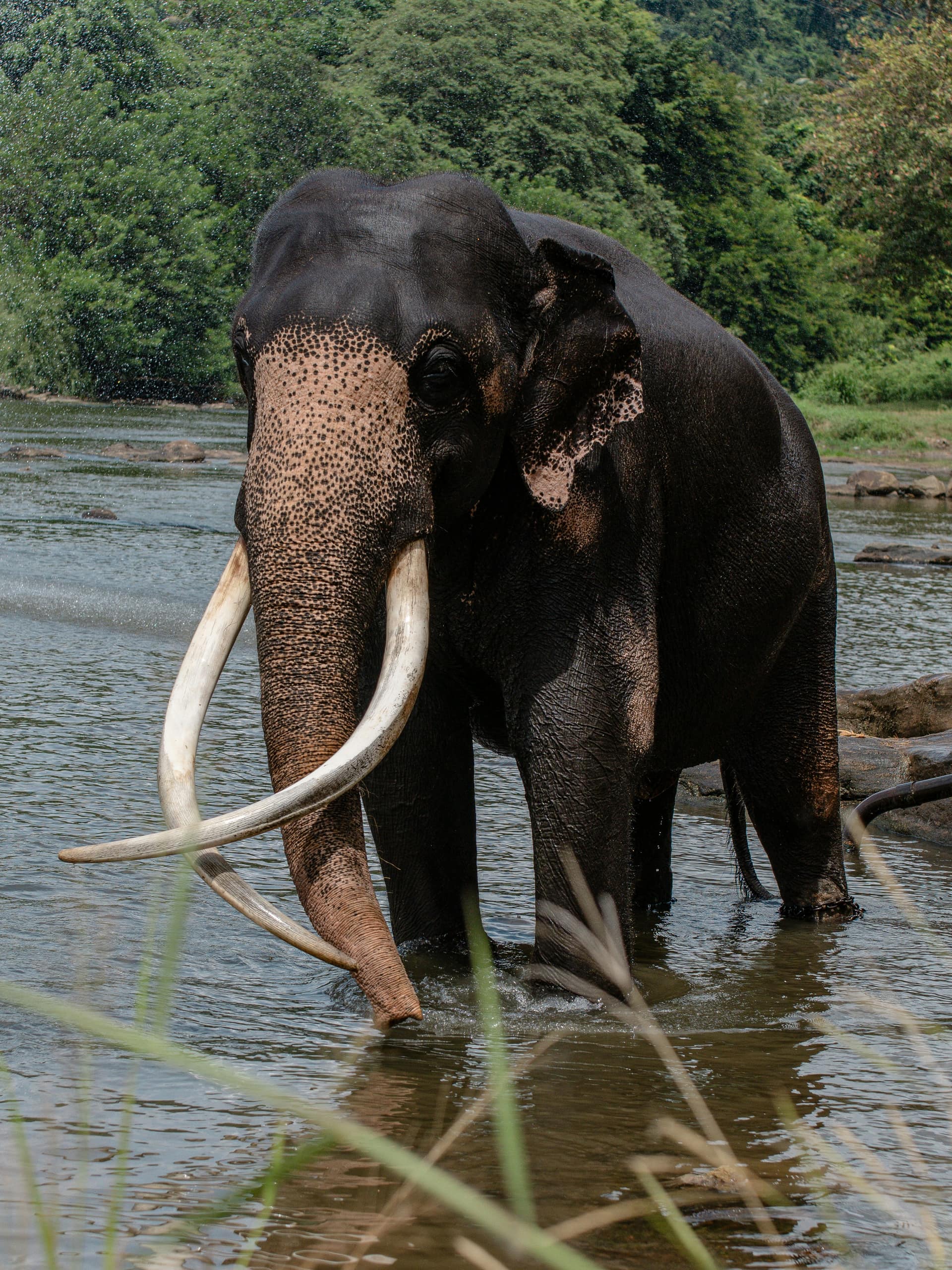
Sri Lanka is one of the best places on earth to see wild elephants: at Udawalawe, Minneriya, Kaudulla, and Wilpattu. That makes captive elephant rides and dubious 'orphanages' both unnecessary and unkind. Avoid any venue offering rides or close 'bathing' encounters without transparent welfare policies.
A far better model is the Udawalawe Elephant Transit Home, which rehabilitates orphaned calves and releases them back to the wild. You watch a feeding from a distance, with no riding or contact. Pair it with a wild safari and you've seen elephants the right way.
Turtles and the coast
Sri Lanka's beaches host nesting turtles, and 'hatcheries' line parts of the south and west coasts. The ethical ones focus on genuine conservation, protecting nests and releasing hatchlings promptly, rather than keeping turtles in tanks for tourist photos. Choose those, and never buy turtle products.
On reefs like Pigeon Island, snorkel responsibly: keep your distance, never touch coral or chase marine life, and use reef-safe sunscreen.
How to choose ethical operators
Ask the right questions before you book: Do you keep distance and switch the engine off? Do you refuse off-road driving? How many boats/jeeps at a sighting? Are spotters and guides paid fairly? Red flags include feeding wildlife, guaranteeing sightings, baiting, or any animal contact for photos.
Lankan Stays & Trails vets every wildlife partner on exactly these behaviours and builds itineraries that put the animals first. Tell us what you hope to see and we'll arrange it responsibly.
Frequently asked questions
How do I choose an ethical safari in Sri Lanka?
Pick operators who keep their distance, wait engine-off, refuse off-road driving, and never crowd a sighting, with fairly paid spotters. Avoid anyone who guarantees sightings, drives off-road, or baits animals. Quieter parks like Wilpattu also reduce pressure.
Is it ethical to ride elephants in Sri Lanka?
No. Elephant rides and unverified 'orphanages' raise serious welfare concerns, and they're unnecessary when you can see wild elephants at Udawalawe, Minneriya, and Wilpattu. The Udawalawe Elephant Transit Home, which rehabilitates and releases calves, is a far better, contact-free alternative.
What is the Udawalawe Elephant Transit Home?
It's a conservation facility that rehabilitates orphaned elephant calves and releases them back into the wild. Visitors watch a feeding from a distance (there's no riding or contact), making it the ethical way to see young elephants up close.
Is whale watching in Sri Lanka ethical?
It can be, with the right operator. Choose licensed boats from regulated harbours that carry life jackets, approach slowly, keep their distance, and never chase whales. Avoid ad-hoc beach touts and crowded vessels, and respect weather cancellations.
Are turtle hatcheries in Sri Lanka ethical?
It varies. Ethical ones protect nests and release hatchlings promptly as genuine conservation; unethical ones keep turtles in tanks for tourist photos. Choose conservation-focused projects, and never buy turtle shell or egg products.
Which Sri Lankan national park is best for ethical wildlife?
Yala has the highest leopard density but the most jeeps; Wilpattu is larger, quieter, and wilder; Udawalawe is superb for wild elephants. The best choice is less about the park and more about an operator who behaves responsibly within it.
Does Lankan Stays & Trails use ethical wildlife operators?
Yes, we vet every safari, whale, turtle, and elephant partner on distance, no off-road driving, no crowding, and fair pay, and we build itineraries that put animals first. Share your wildlife wishlist and we'll arrange it responsibly.