
Quick answer
A first Sri Lanka trip for a Turkish traveller used to a single Turkish Riviera resort stay will feel different mainly in shape: instead of one hotel base for the whole holiday, a Sri Lanka trip typically moves between two or more regions with a private driver-guide handling transport and local knowledge throughout. Expect a more varied food scene, genuine wildlife encounters such as leopard safaris or blue whale watching, and a changing landscape from tropical coast to ancient cities to cool hill country within one trip.
Key takeaways
- A Sri Lanka trip is typically structured around a private driver-guide moving between regions, rather than a single resort desk handling everything on-site.
- Accommodation on a Sri Lanka trip changes every two to four nights on average, versus staying in one hotel for the whole Riviera holiday.
- Sri Lanka's food scene mixes rice and curry, Indian-influenced dishes and fresh seafood, generally more varied region to region than a single resort's set menus.
- Wildlife encounters, leopard and elephant safaris, blue whale watching, are a built-in part of many Sri Lanka itineraries, not an optional add-on booked separately.
- Sri Lanka's hill country, reachable within a few hours of the tropical coast, offers a genuinely cooler climate within the same trip.
The trip is shaped differently from day one
A Turkish Riviera holiday is generally built around one resort: the same room, the same beach, the same restaurants for the length of the stay, with the resort handling almost everything. A Sri Lanka trip is generally built the opposite way, as a route through several regions, with accommodation changing every two to four nights on average as the trip moves from coast to culture to hill country or safari.
This is the single biggest adjustment for a first-time visitor: there is no single home base to return to each evening. Packing and unpacking happens more often, and the itinerary itself, not a resort's activity board, is what shapes each day.
A driver-guide instead of a resort desk
Where a Riviera resort has a reception desk and an activities board, a Sri Lanka touring trip generally runs on a private driver-guide, one person who handles transport between regions and provides local knowledge and recommendations throughout the whole trip rather than only at one property.
This changes the daily rhythm noticeably: mornings often start earlier to make the most of cooler hours for a safari or a temple visit, and travel time between bases, sometimes a few hours, becomes a normal part of the day rather than something to avoid entirely.
- →A private driver-guide typically covers the whole trip, not just one property's grounds.
- →Travel time between regions, sometimes a few hours, is a built-in part of most days.
- →Local knowledge comes from the driver-guide directly rather than a resort's guest services desk.
A more varied, less set-menu food scene
Riviera resorts commonly run a set buffet or a small rotation of restaurants for the length of a stay. Sri Lanka's food scene is generally more varied trip to trip, since the menu changes with the region: rice and curry dishes islandwide, fresh seafood on the coast, and Indian-influenced dishes and stronger spice in areas with larger Tamil and Muslim communities.
Turkey is majority Muslim, so halal food is the default virtually everywhere at home. Sri Lanka's Muslim community, concentrated in Kandy, Colombo and the east coast, supports halal options in those areas, though it is not the default nationwide the way it is in Turkey, a point worth a brief mention rather than extensive planning.
Wildlife and ancient sites built into the itinerary
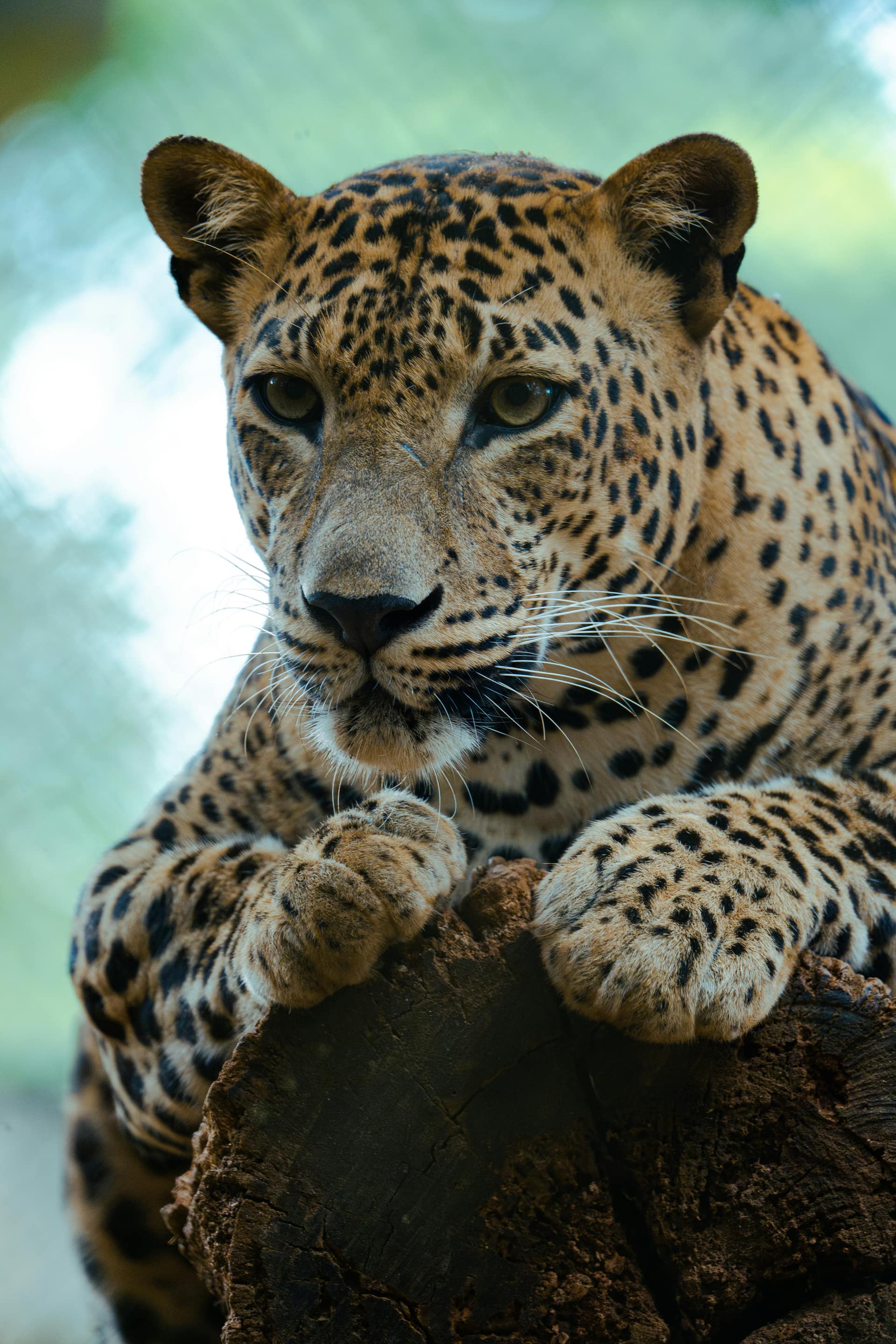
A Riviera holiday's nature appeal is generally coastline, coves and gulet boat trips. A Sri Lanka itinerary more commonly includes a leopard and elephant safari at a national park such as Yala or Udawalawe, and, depending on season and route, blue whale watching off Mirissa, both genuine wildlife encounters rather than a poolside extra.
Ancient sites are similarly built in rather than optional: a Cultural Triangle stop at Sigiriya or Polonnaruwa is a standard part of many Sri Lanka routes, adding a historical dimension a single beach resort week does not typically include.
- →Safaris: a standard itinerary component at parks such as Yala or Udawalawe, not a separate add-on booking.
- →Whale watching: seasonally available off Mirissa, distinct from a Riviera gulet trip.
- →Ancient sites: Sigiriya and Polonnaruwa commonly form a dedicated stop within the trip.
A genuine climate shift within one trip
Sri Lanka's tropical coast typically holds daytime highs roughly 27-31°C, but the hill country, Nuwara Eliya, Ella and Haputale, sits at real elevation with daytime highs typically 16-20°C, sometimes dropping close to or below 10°C at night. A first-time visitor moving from the coast to the hills within one trip should expect to pack for both, a genuinely different scene than a single-climate Riviera stay.
This shift usually surprises first-time visitors more than any other single factor, since nothing about arriving in tropical heat prepares a traveller for needing a light jacket a few hours inland by road.
Setting expectations before you go
The most useful mental adjustment before a first Sri Lanka trip is to stop expecting a single-location relaxing stay and instead expect a touring holiday with a changing scene most days, more like a road trip with a private guide than a resort week. Neither shape is better; they simply serve different kinds of holiday.
We at Lankan Stays & Trails brief every first-time Turkish traveller on exactly this shift before departure, so the driver-guide model, the changing accommodation and the varied pace feel like the plan rather than a surprise.
Frequently asked questions
Is a Sri Lanka trip like a resort holiday in Turkey?
Not generally; a Sri Lanka trip typically moves between two or more regions with a private driver-guide, changing accommodation every two to four nights, rather than staying in one resort for the whole holiday as is common on the Turkish Riviera.
Do you need a guide for a first trip to Sri Lanka?
A private driver-guide is the standard way most first-time visitors, including Turkish travellers, cover a multi-region Sri Lanka itinerary, since it removes the need to arrange transport and local knowledge separately at each stop.
Is the food in Sri Lanka very different from Turkey?
Yes, noticeably. Sri Lanka's food centres on rice and curry, fresh coastal seafood, and Indian-influenced dishes with more spice, a different flavour profile from Turkish cuisine, and generally more varied region to region than a single resort's menu.
Will a first-time visitor definitely see wildlife in Sri Lanka?
Sightings on safari or whale watching trips are never guaranteed, though leopard and elephant safaris at parks such as Yala and Udawalawe, and seasonal whale watching off Mirissa, are commonly included and give a strong chance of genuine encounters.
Does it get cold in Sri Lanka?
The tropical coast stays warm year-round, but the hill country, Nuwara Eliya, Ella and Haputale, sits at real elevation with daytime highs typically 16-20°C, sometimes dropping close to or below 10°C at night, especially December to February.
Is Sri Lanka more tiring than a Riviera resort holiday because of all the travel?
It involves more movement between bases than a single-resort stay, generally a few hours of driving on transfer days, but itineraries are typically paced to balance travel days with relaxed beach or hotel time.
Does Lankan Stays & Trails prepare first-time Turkish travellers for this different pace?
Yes, Lankan Stays & Trails briefs first-time Turkish travellers on the driver-guide model and the touring pace before departure, so the changing accommodation and daily rhythm feel expected rather than surprising.