
Quick answer
Five-star Ayurveda resorts in Sri Lanka, concentrated along the Bentota and Beruwala coast, offer oil massage, herbal steam and short wellness programmes as part of a hotel stay, typically running roughly $150-400 a night including treatments. Traditional Ayurveda, practised by qualified physicians (vaidyas) at village clinics and Ayurvedic hospitals, involves a proper diagnostic consultation and longer treatment courses, often one to three weeks, and costs considerably less per session but demands a real time commitment. Resort Ayurveda is genuine in technique but simplified for a short stay; traditional Ayurveda is the fuller clinical practice.
Key takeaways
- Sri Lanka's Ayurvedic tradition dates back roughly three thousand years and blends classical Ayurveda with hela wedakama, the island's own indigenous medical practice.
- Five-star Ayurveda resorts, concentrated along the Bentota and Beruwala coast, typically run roughly $150-400 a night including treatments, packaged for stays of a few days to a week.
- Traditional Ayurvedic physicians (vaidyas) conduct a diagnostic consultation covering pulse, body type (dosha) and lifestyle before prescribing a treatment course, unlike most resort spa menus.
- Genuine panchakarma-style detoxification programmes generally run one to three weeks, far longer than the typical three to seven-night resort wellness package most American visitors book.
- Government-run and long-established Ayurvedic hospitals exist in cities including Colombo and Kandy, treating Sri Lankans for everyday ailments alongside offering visitor consultations.
Sri Lanka's Ayurvedic tradition, briefly
Ayurveda arrived in Sri Lanka from India roughly two millennia ago and merged over time with hela wedakama, an indigenous Sinhalese medical tradition using locally sourced herbs, oils and dietary practice, together forming what's often referred to loosely as Sri Lankan Ayurveda. It remains a formally recognised branch of medicine on the island, with its own government ministry oversight, licensed physicians and Ayurvedic hospitals operating alongside conventional medicine.
This matters for the luxury-versus-authentic question, because it means 'traditional Ayurveda' in Sri Lanka isn't a folk remedy on the margins, it's a parallel, state-recognised medical system with its own training and clinical standards, quite distinct from the wellness-menu version most tourists encounter.
What a five-star Ayurveda resort actually offers
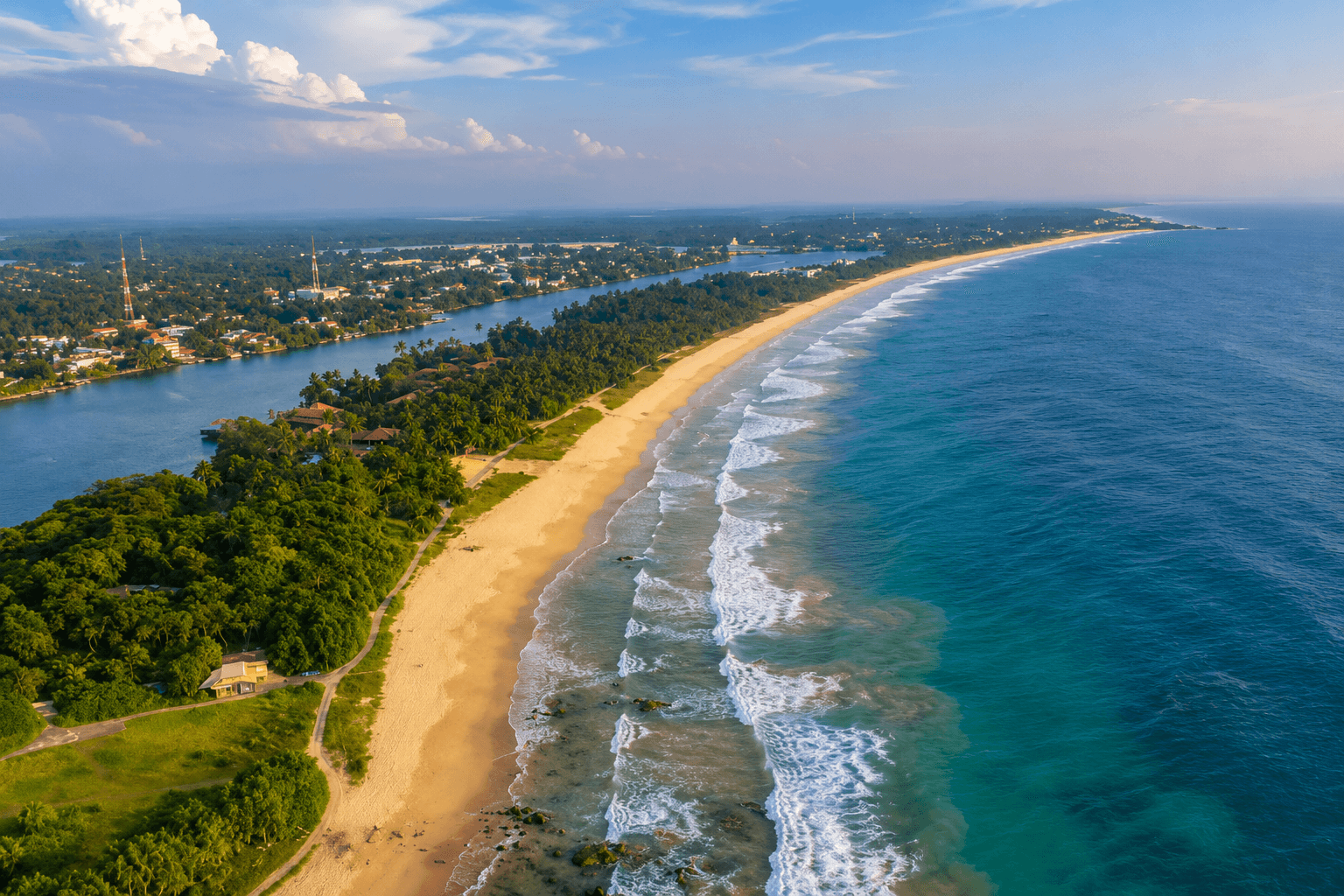
Five-star Ayurveda resorts, concentrated along Sri Lanka's west coast around Bentota and Beruwala, package genuine Ayurvedic techniques, herbal oil massage (abhyanga), herbal steam, and simple dosha-based dietary guidance, into a comfortable hotel stay with a spa menu, typically running roughly $150-400 a night including treatments. The therapists are generally trained in these techniques, and the oils and herbs used are often authentic.
What's simplified is the diagnostic depth and the treatment length: a resort programme rarely includes the extended physician consultation or the multi-week course that traditional Ayurveda considers necessary for anything beyond relaxation and general wellbeing. It is genuine Ayurveda in miniature, not a fabrication, but it is closer to a spa experience than a medical one.
- →Typical resort Ayurveda cost: roughly $150-400 a night including treatments, confirm current rates before booking.
- →Common techniques offered: abhyanga oil massage, herbal steam (sweda), simple dosha-based meal guidance.
- →Typical stay length: three to seven nights, framed as relaxation and wellness rather than medical treatment.
Seeing a traditional Ayurvedic physician
A traditional Ayurvedic consultation, whether at a village clinic or a longer-established Ayurvedic hospital in a city like Kandy or Colombo, begins with a diagnostic process covering pulse reading, body constitution (dosha) assessment and a detailed lifestyle history, before the physician (vaidya) prescribes a specific herbal and dietary regimen. This is a genuine clinical encounter, not a spa consultation, and Sri Lankans themselves use this system for everyday health concerns alongside conventional medicine.
Full treatment courses, particularly panchakarma-style detoxification programmes, generally run one to three weeks and typically cost considerably less per day than an equivalent resort stay, since the setting is a clinic or basic guest accommodation rather than a five-star hotel. The time commitment, not the cost, is the real barrier for most American visitors on a two or three-week trip.
- →A genuine consultation typically covers pulse diagnosis, dosha assessment and lifestyle history before any treatment is prescribed.
- →Full treatment courses generally run one to three weeks, considerably longer than a typical resort wellness package.
- →Ayurvedic hospitals in Kandy and Colombo offer visitor consultations alongside treating local patients, a genuinely local, non-touristic setting.
What's genuine and what's packaged for tourists
The clearest tell isn't the price tag, it's whether a diagnostic step happens before treatment. A resort that simply offers a treatment menu with no consultation is running a spa, a perfectly good one, but not a medical Ayurvedic process. A clinic or hospital that assesses your dosha and history before prescribing anything is practising the fuller tradition.
Neither version is fake. A five-star resort using real herbal oils and trained massage therapists is offering a legitimate, if abbreviated, slice of the same tradition a traditional physician practises in full. The honest framing is depth and duration, not authenticity versus fabrication.
Choosing between them
Most American travellers get the most realistic value from treating resort Ayurveda as relaxation and wellness, and traditional Ayurveda as something to explore only if you have the one to three weeks a genuine course actually requires.
- →Choose a resort Ayurveda stay if: you have three to seven days, want relaxation and stress relief within a comfortable hotel setting, and aren't managing a specific health condition.
- →Choose a traditional consultation if: you have genuine time (a week or more), an interest in the diagnostic process itself, or a specific concern a physician-led approach suits better.
- →Choose a single traditional consultation without the full course if: you're curious about the diagnostic experience but can't commit to the full treatment length.
Fitting Ayurveda into your itinerary
A short resort Ayurveda stay along the Bentota or Beruwala coast fits naturally into a broader Sri Lanka trip as a two or three-night wind-down, while a genuine traditional course is really its own dedicated trip purpose rather than an add-on. Both are legitimate, and blending a shorter resort stay with a single traditional consultation, rather than treating it as an all-or-nothing choice, is a reasonable middle path many travellers take.
Lankan Stays & Trails arranges Ayurveda resort stays as part of a wider itinerary and can connect interested guests with a traditional physician consultation for a genuine, non-touristic introduction to the fuller practice, without requiring a commitment to a multi-week course.
Frequently asked questions
Is Ayurveda in Sri Lanka real or just for tourists?
Both exist side by side. Five-star resorts offer genuine Ayurvedic techniques packaged into a short spa-style stay, while traditional physicians (vaidyas) at clinics and hospitals practise a fuller, state-recognised diagnostic and treatment system that Sri Lankans themselves use for everyday health concerns.
How much does an Ayurveda retreat cost in Sri Lanka?
As a rough, unconfirmed guide, five-star Ayurveda resorts along the Bentota and Beruwala coast typically run $150-400 a night including treatments. Traditional clinic consultations and treatment courses generally cost considerably less per day, though a genuine course runs one to three weeks.
How long does a proper Ayurveda treatment take?
A genuine panchakarma-style detoxification course generally runs one to three weeks, since the process involves preparatory, main treatment and recovery phases. Most resort wellness packages, by contrast, run three to seven nights and focus on relaxation rather than a full medical course.
Where can Americans see a traditional Ayurvedic doctor in Sri Lanka?
Established Ayurvedic hospitals and clinics operate in cities including Kandy and Colombo, some accepting visitor consultations alongside treating local patients. Confirm arrangements and any language support in advance, since not every clinic is set up for short-stay international visitors.
What is the difference between Ayurveda and hela wedakama?
Ayurveda is the classical Indian medical system that arrived in Sri Lanka roughly two thousand years ago, while hela wedakama is the island's own indigenous healing tradition using local herbs and practices. Modern Sri Lankan Ayurveda generally blends both rather than keeping them fully separate.
Is resort spa Ayurveda actually effective?
It can be genuinely relaxing and uses authentic techniques such as herbal oil massage and steam, though it typically lacks the diagnostic consultation and treatment length that traditional Ayurveda considers necessary for addressing specific health conditions. It's best framed as wellness rather than medical treatment.
Can you combine a luxury resort stay with traditional Ayurveda in Sri Lanka?
Yes, and it's a reasonable middle path: a short resort wellness stay along the coast paired with a single traditional consultation elsewhere gives a taste of both without committing to a full multi-week course. Lankan Stays & Trails can arrange both within one itinerary.