
Quick answer
The hidden costs on a 10-day Sri Lanka itinerary are mainly higher entry fees for foreign visitors at sites and national parks, taxes and service charges added to hotel and restaurant bills, safari extras such as trackers and a second drive, peak-season supplements and gala dinners, tips across the ten days, and commission-driven shopping stops. Adding roughly 10 to 15 per cent to the core budget, and asking what each quote includes, covers most of them.
Key takeaways
- Foreign visitors pay significantly higher entry fees than residents at Sigiriya, the ancient cities and national parks.
- Many hotel and restaurant prices exclude taxes and service charges, which are added at the end.
- Safari park fees, jeep hire, trackers and a second drive are often priced separately.
- Christmas, New Year and February bring higher rates, minimum stays and compulsory gala dinners.
- A margin of roughly 10 to 15 per cent over the core budget absorbs most unplanned costs.
Foreign-visitor ticket prices
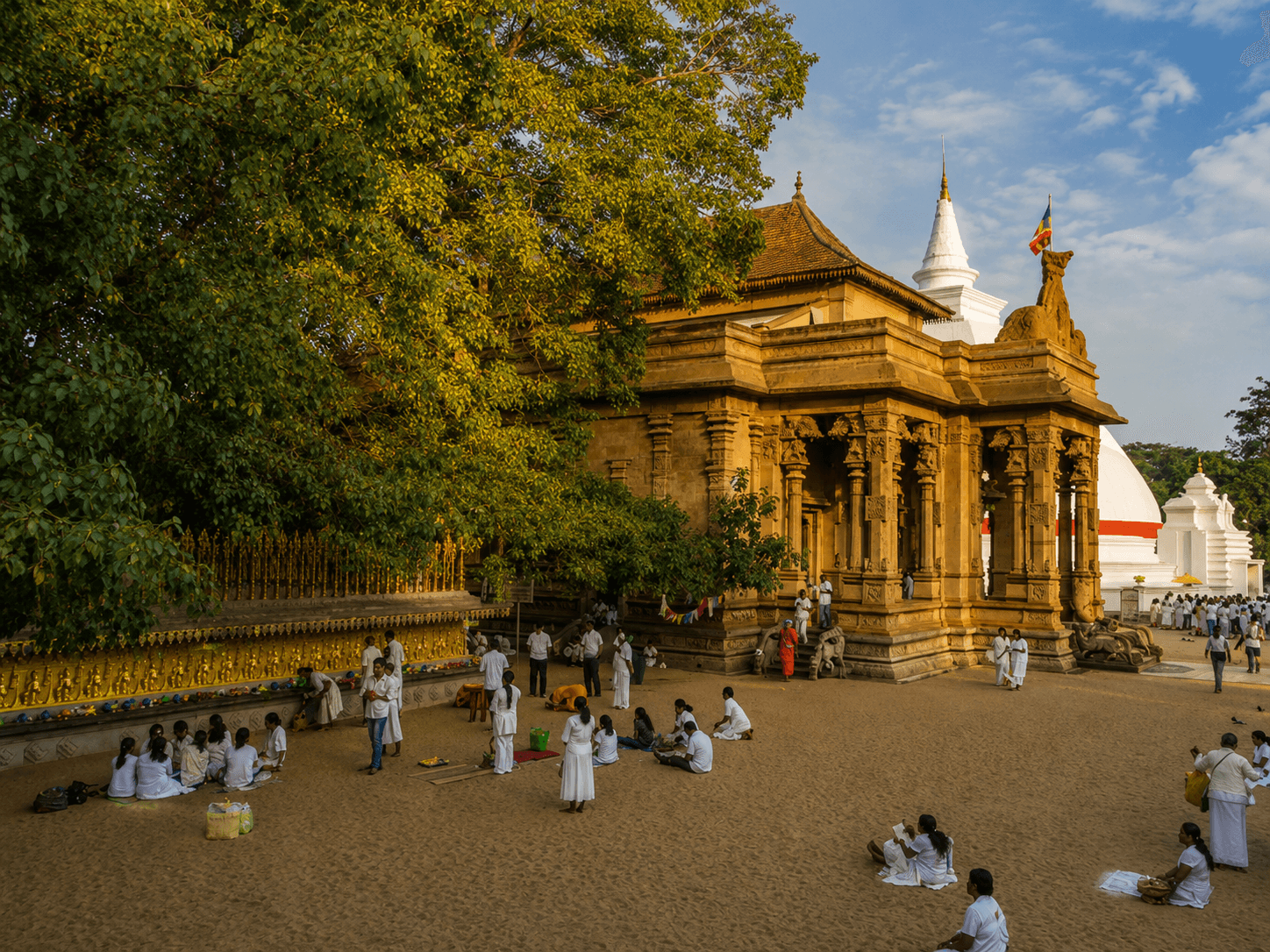
The biggest hidden cost on a 10-day Sri Lanka itinerary is the gap between foreign-visitor and resident ticket prices. Sigiriya Rock, Polonnaruwa, the Dambulla Cave Temple, the Temple of the Sacred Tooth Relic and the national parks all charge visitors considerably more, and the 10-day route passes all of them.
Added together, these tickets can rival several nights of mid-range accommodation. Check current prices before travel and budget them as a separate line.
Taxes, service charges and supplements
Many Sri Lankan hotels quote rates before taxes and service charges, and restaurants often add a service charge to the bill. The difference between a quoted rate and the final amount can be significant, so always check whether prices are final.
Over Christmas, New Year and sometimes February, hotels add peak supplements, minimum stays and compulsory gala dinners on 24 and 31 December, which can add a large amount to a coastal stay.
- →Hotels: taxes and service charges often extra.
- →Restaurants: service charge usually on the bill.
- →Peak season: supplements, minimum stays and gala dinners.
Safari and activity extras
Safaris are often priced in parts: the jeep hire, the park fee with its taxes and charges, and sometimes a tracker or naturalist. A second drive in Yala, the optional dawn safari on day 8, doubles the park fee and jeep hire.
Other activities have smaller add-ons: a guide at Sigiriya or Polonnaruwa, bicycle hire, a camera fee at some sites, and the tuk-tuk to the start of Ella's walks.
- →Jeep hire, park fee and tracker are often separate.
- →The optional second Yala drive doubles the safari cost.
- →Guides, bicycles and tuk-tuks add small amounts daily.
What a driver quote may not include
A private driver quote usually covers the car, fuel and the driver's time, but check whether it includes highway tolls, parking, the driver's accommodation and meals, and any extra charge for long days or airport pick-ups at night.
Many hotels provide free or discounted driver accommodation, but not all, and this can add a small nightly cost. Ask for an all-inclusive quote to avoid surprises.
Commission stops and small daily costs
Spice gardens, gem shops and some craft workshops pay drivers and guides commission for bringing visitors, and prices inside reflect it. A polite refusal at the start of the day avoids hours and money lost to them.
Small daily costs also add up: bottled water, snacks, laundry, SIM data top-ups, shoe-minding at temples, tips and occasional tuk-tuks. Individually small, they are easy to leave out of a budget.
- →Commission stops: agree in advance to skip them.
- →Daily extras: water, snacks, laundry, data, small tips.
Cards, cash machines and exchange costs
Money itself carries small hidden costs on a 10-day Sri Lanka trip. Foreign cash machines often charge a fee per withdrawal on top of your own bank's charges, and some card payments carry a surcharge at smaller hotels and shops. Fewer, larger withdrawals keep fees down.
Card acceptance is good at hotels and larger restaurants but patchy at small eateries, markets, tuk-tuks and some ticket counters, so cash remains essential. Exchange rates at the airport are usually less favourable than at banks in town.
- →Cash machine fees: make fewer, larger withdrawals.
- →Card surcharges: ask before paying at small businesses.
- →Airport exchange: change only what you need for day 1.
- →Cash: essential for tuk-tuks, eateries and small tips.
Planning for hidden costs
Ask every supplier what their price includes, list the entry tickets and safari charges separately, and add a margin of roughly 10 to 15 per cent over the core budget. Keep small notes in local currency for the daily extras.
Lankan Stays & Trails quotes 10-day trips with tolls, driver costs and experiences included and itemises tickets separately, so the total is clear. The site's travel budget guide covers daily costs in more detail.
Frequently asked questions
What are the hidden costs of travelling in Sri Lanka?
Mainly higher entry fees for foreign visitors, taxes and service charges on hotel and restaurant bills, safari extras such as trackers and second drives, peak-season supplements and gala dinners, tips, and small daily costs such as water, laundry and tuk-tuks.
Do Sri Lankan hotels add tax to the price?
Many do. Rates are often quoted before taxes and service charges, which are added to the final bill. Check whether the price you see is final, and whether breakfast is included, before booking.
Why do foreigners pay more in Sri Lanka?
Sri Lanka, like several countries in the region, uses separate pricing for residents and foreign visitors at heritage sites and national parks, with foreign rates considerably higher. The income helps maintain the sites, but it is a significant budget item.
Are gala dinners compulsory in Sri Lanka?
At many hotels, yes, on 24 and 31 December, with the cost added to the room rate. They can be expensive, so check the terms when booking a stay over Christmas or New Year.
What does a private driver quote usually include?
Usually the vehicle, fuel and the driver's time. Check whether it includes highway tolls, parking, the driver's accommodation and meals, and charges for night-time airport transfers or long days, and ask for an all-inclusive price.
How much extra should I budget for a Sri Lanka trip?
A margin of roughly 10 to 15 per cent over the core cost of accommodation, transport, food and tickets covers most unplanned expenses on a 10-day trip, including tips and small daily costs.