
Quick answer
Senior travellers from Canada are generally best served by 12 to 16 days in Sri Lanka, enough to cover the Cultural Triangle, hill country, a seated wildlife safari and one coast without back-to-back travel days. The pace matters more than the destination list: two or three nights per base, a rest day worked in roughly every fourth or fifth day, and a private driver-guide rather than self-driving or crowded public transport. Heat management in the lowlands and awareness of steps at sites like Sigiriya are the two practical planning points that matter most.
Key takeaways
- Twelve to sixteen days, with two to three nights per base, gives senior Canadian travellers a comfortable pace without cutting Sri Lanka's main regions.
- A rest day roughly every fourth or fifth day of the trip noticeably reduces fatigue over a two-week itinerary.
- Sigiriya's summit climb involves roughly 1,200 steps in places narrow and steep; Pidurangala or the water gardens are gentler alternatives with a similar view or setting.
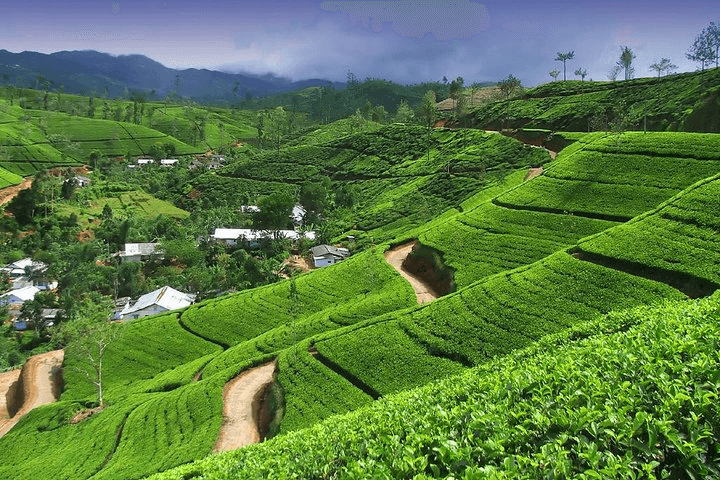
- The hill country around Nuwara Eliya and Ella runs 10 to 15 degrees Celsius cooler than the coast, a useful midpoint to break up lowland heat.
- A private driver-guide removes the two biggest fatigue factors for older travellers: navigating mixed traffic and standing in queues for public transport.
How many days to plan for a senior trip to Sri Lanka
A senior trip to Sri Lanka from Canada works best at 12 to 16 days, long enough to justify the flight (typically 16 to 22 hours from Toronto or Vancouver with a connection) without compressing the itinerary into a pace that turns sightseeing into a chore. Ten days is workable if mobility and stamina are strong, but most older travellers find 12 days the more comfortable floor.
The extra days over a standard itinerary don't add more places, they add recovery time between them: an extra night here, a half-day with no plan there, and slightly shorter daily drives throughout.
- →12 days: a paced loop covering the Cultural Triangle, Kandy, hill country and one coast.
- →14 to 16 days: adds a genuine rest day or two and a slower wildlife safari stop.
- →Under 10 days is workable only for travellers with strong stamina and no mobility concerns.
Building in rest, not just sightseeing
The single biggest pacing mistake on a senior itinerary is treating every day as a sightseeing day. A rest day roughly every fourth or fifth day, a morning by the pool, a slow walk rather than a full excursion, meaningfully reduces cumulative fatigue over a two-week trip, especially given the jet lag Canadian travellers carry into the first few days.
Two to three nights at each base rather than one gives the trip natural pauses too, since it removes the daily pack-unpack cycle that wears travellers of any age down over time.
Heat and humidity management
Coastal and Cultural Triangle heat, often into the low-to-mid 30s Celsius with high humidity, is more taxing than the temperature alone suggests, particularly for anyone unused to tropical conditions. Scheduling the main excursion for early morning, resting through the hottest midday hours, and treating the hill country (Nuwara Eliya, Ella) as a genuine cooling break rather than just another stop all help.
Hydration and sun protection matter more here than travellers used to a Canadian climate tend to expect, and it's worth pacing outdoor time accordingly rather than pushing through the heat of the day.
- →Schedule the day's main activity for early morning, before the heat builds.
- →Treat hill-country stops as deliberate cooling breaks, not just scenery.
- →Carry water and reapply sun protection more often than feels necessary at home.
Mobility notes for popular sites
Sigiriya's rock summit involves roughly 1,200 steps in places steep and narrow, genuinely demanding for anyone with knee or hip concerns. Pidurangala's viewpoint opposite Sigiriya, or a visit limited to Sigiriya's water gardens at the base, gives a comparable sense of the site with far less climbing.
Temples generally require removing shoes and some uneven or hot stone flooring underfoot; a jeep safari at Yala or Udawalawe is seated throughout and needs no walking beyond getting in and out of the vehicle.
- →Sigiriya's summit climb is roughly 1,200 steps; Pidurangala or the water gardens are gentler alternatives.
- →Temple floors are often stone and can be hot underfoot midday; early or late visits are more comfortable.
- →Jeep safaris at Yala and Udawalawe are seated the entire time, ideal for limited mobility.
Why a driver-guide suits this age group well
A private driver-guide removes two of the more tiring elements of independent travel for older visitors: navigating mixed traffic conditions and managing luggage through crowded public transport. The same driver across the trip also builds a relationship, which matters when pacing needs to flex around how a particular day is going.
It's worth being specific with the operator about mobility needs and preferred pace upfront, so the itinerary is built around comfort from the start rather than adjusted after a difficult first few days.
Planning a senior trip from Canada
Twelve to sixteen days, genuine rest days, a driver-guide, and honest planning around heat and mobility together make Sri Lanka a very manageable and rewarding trip for older Canadian travellers, not a compromise version of a younger visitor's itinerary.
Lankan Stays & Trails builds paced, private itineraries for older travellers with rest days, mobility-appropriate site choices, and accommodation selected with lift access or ground-floor rooms where it matters.
Frequently asked questions
How many days should seniors spend in Sri Lanka?
Twelve to sixteen days works well for most older travellers, enough to cover the main regions at a paced two-to-three-night-per-base rhythm with rest days built in, rather than compressing the same route into a faster trip.
Is Sri Lanka easy for older travellers to get around?
Yes, particularly with a private driver-guide, which removes the two most tiring elements of independent travel: navigating mixed traffic and managing public transport. Short distances between regions also help keep daily drives manageable.
How many steps are there up Sigiriya?
Roughly 1,200 steps to the summit, in places steep and narrow. Pidurangala's viewpoint opposite Sigiriya, or a visit limited to the water gardens at the base, offers a gentler alternative for travellers with mobility concerns.
Is the heat in Sri Lanka difficult for older travellers?
Coastal and lowland heat, often in the low-to-mid 30s Celsius with high humidity, can be more taxing than the number suggests. Scheduling activity for early morning and treating the cooler hill country as a rest break helps manage it.
Do seniors need a private driver in Sri Lanka?
It's not compulsory, but strongly recommended. A private driver-guide removes the fatigue of navigating mixed traffic and public transport queues, and allows the day's pace to flex around how a traveller is feeling.
What are the mobility-friendly experiences in Sri Lanka?
Seated jeep safaris at Yala or Udawalawe, the Kandy to Ella train, botanical gardens, and Galle Fort's flat ramparts all offer genuine highlights with minimal walking or climbing compared with sites like Sigiriya.
How many rest days should a senior itinerary include?
A rest day roughly every fourth or fifth day of a two-week trip noticeably reduces fatigue, particularly given the jet lag Canadian travellers carry into the first few days after a long-haul flight.