
Quick answer
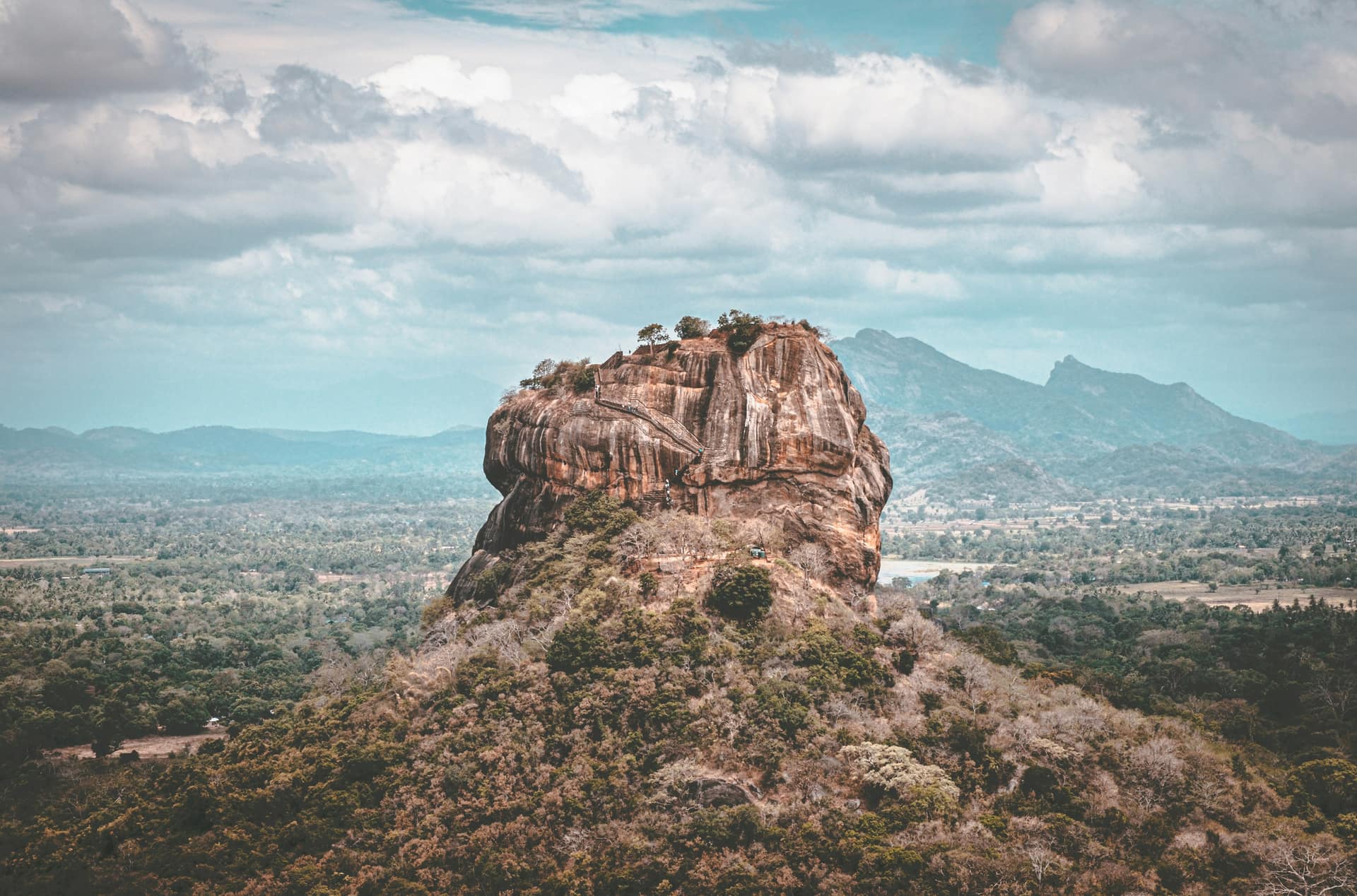
Start with Sigiriya, because jet lag from the west makes you wake early for the first two or three days and the Sigiriya climb wants an opening start around seven. That advantage disappears by roughly day five, when a pre-dawn alarm becomes a genuine sacrifice. Ella asks nothing of your body clock, so it is better placed later in the trip once sleep has settled.
Key takeaways
- Sri Lanka is five and a half hours ahead of Greenwich Mean Time, so most western arrivals wake very early for two to three days.
- Sigiriya opens around seven and the climb of roughly 1,200 steps is best started then, before the rock heats up.
- Early waking fades by roughly day five, after which dawn starts cost willpower rather than coming free.
- Ella's walks are short and forgiving of a late start, which makes it better placed later in a trip.
- Travellers arriving from the east, such as Australia or Singapore, have a smaller shift and less of this advantage.
What the time shift actually does
Sri Lanka Standard Time runs five and a half hours ahead of Greenwich Mean Time. For travellers arriving from the United Kingdom or western Europe that is a shift of roughly four and a half to five and a half hours depending on the season, and eastward travel is the harder direction for most people to absorb.
The practical effect is consistent and well documented. For the first two or three days you will find yourself awake at four or five in the morning with no prospect of returning to sleep, and flagging badly by mid-evening. Most people are broadly adjusted by day four or five.
Arrivals from the east have a different problem. Travellers from Australia, Singapore or the Gulf face a smaller shift, often two to four hours, and adjust faster, which means the early-waking window is shorter or absent. The advice below applies most strongly to long-haul westbound arrivals.
- →Sri Lanka Standard Time is five and a half hours ahead of Greenwich Mean Time.
- →Eastward travel is the harder direction to adjust to for most people.
- →Expect very early waking for two to three days, then a rapid settling.
- →Arrivals from Australia, Singapore or the Gulf face a much smaller shift.
Early waking is a resource with an expiry date
The mistake travellers make is treating the first days as something to endure. Waking at half past four is inconvenient at home and genuinely useful in Sri Lanka, where the best hours at almost every site fall between six and nine in the morning.
Sigiriya is the clearest example. The site opens around seven, the climb of roughly 1,200 steps takes two to three hours, and the rock begins radiating heat from mid-morning with almost no shade anywhere on it. Being awake and ready at six is exactly what the site wants, and for the first few days it costs you nothing.
By day five that same alarm is a genuine sacrifice, negotiated with a group and resented by at least one person in it. Scheduling the trip's hardest early start into the window where it is free is simply good planning.
- →The best hours at most Sri Lankan sites fall between six and nine in the morning.
- →Sigiriya opens around seven; the climb takes two to three hours.
- →The rock has almost no shade and heats sharply from mid-morning.
- →A dawn start on day two is free; on day six it is a negotiation.
Why Ella is the wrong place to be jet-lagged
Ella asks very little of your body clock, which sounds like an argument for putting it early and is actually the reverse. Its walks are short, its viewpoints tolerate a mid-morning arrival reasonably well, and its whole character rewards sitting still. None of that needs the early-waking window, so spending the window there wastes it.
There is a second problem. Ella is roughly seven to eight hours from Bandaranaike International Airport, so reaching it on arrival day means a very long drive in exactly the state where long drives are least tolerable. Arriving depleted at a place whose main offer is rest sounds appealing and in practice produces a wasted first two days.
Ella works far better at day five or six, when sleep has settled, the trip has some accumulated tiredness in it, and a genuinely slow place is what you want. The order the body suggests and the order the map suggests happen to agree.
- →Ella's walks are short and forgiving of a late start.
- →Little Adam's Peak is roughly forty-five to ninety minutes return.
- →Ella is roughly seven to eight hours from the airport, a poor arrival-day drive.
- →A slow place is more valuable at day five than at day one.
What to do with the arrival day itself
Whatever the order, the arrival day is not a sightseeing day and should not be sold to you as one. The drive from Bandaranaike International Airport to Sigiriya is roughly four to five hours, which occupies most of an afternoon after a morning landing, and the correct ambition for that day is a good meal and an early night.
Travellers who land late at night are better served by a night in Negombo, roughly twenty to thirty minutes from the airport, than by starting a four-hour drive at midnight. It costs a night and protects the following two days.
Resist the temptation to nap for more than about forty minutes on arrival afternoon. Short rests help; long ones anchor you to the old time zone and extend the adjustment by a day or more, which is exactly the resource you were trying to protect.
- →Airport to Sigiriya is roughly four to five hours; the arrival day is a transfer day.
- →A late landing is better answered with a Negombo night than a midnight drive.
- →Keep arrival-day naps under about forty minutes.
- →Eat a proper evening meal and sleep at a local hour, not a home one.
A first three days that uses the window
The shape that works is simple. Day one is the transfer to Sigiriya with nothing else attempted. Day two is the climb at opening, a long midday rest, and Dambulla Cave Temple in the late afternoon when it is cooler and the light in the caves is better. Day three is the short drive to Kandy and the evening puja at the Temple of the Sacred Tooth Relic.
That sequence puts the two earliest starts on the two days your body is offering them, and it keeps the middle of each day free, which matters because early waking comes with a genuine afternoon slump.
Lankan Stays and Trails schedules the hardest climb for the first full morning on private trips for this reason, and builds a real rest block into the middle of that day rather than filling it. The window is short, and the trips that use it well are noticeably less tiring than the ones that do not.
- →Day one: transfer only, roughly four to five hours, early night.
- →Day two: Sigiriya at opening, long midday rest, Dambulla late afternoon.
- →Day three: Kandy in roughly two and a half to three hours, evening puja.
- →Protect the middle of each of the first three days for rest.
Frequently asked questions
How bad is jet lag going to Sri Lanka?
Sri Lanka is five and a half hours ahead of Greenwich Mean Time, so travellers from the United Kingdom and western Europe face a shift of roughly four and a half to five and a half hours. Expect very early waking for two to three days and adjustment by day four or five.
Should I climb Sigiriya on my first morning in Sri Lanka?
Your first full morning, yes, but not the morning after landing if that involves a four to five hour drive. Arrive, rest, then climb at opening around seven the following day, when early waking from the time shift is working in your favour.
Is it better to rest or push through on arrival day?
Push through the daylight hours but keep any nap under about forty minutes. Long afternoon sleeps anchor you to your departure time zone and extend adjustment by a day or more. Eat an evening meal at a local hour and sleep normally that night.
Does jet lag affect Australian travellers to Sri Lanka the same way?
Much less. Arrivals from Australia, Singapore or the Gulf face a shift of roughly two to four hours and adjust quickly, so the early-waking window that suits a dawn Sigiriya climb is shorter or absent. The route order still holds for other reasons.
When does the early waking stop?
Usually around day four or five for a westbound long-haul arrival. After that a pre-dawn start becomes a deliberate sacrifice rather than something that happens anyway, which is why the trip's hardest early morning belongs in the first three days.
What time does Sigiriya open?
Usually around seven in the morning, though opening hours should be confirmed locally rather than assumed. Arriving at opening matters because the rock has almost no shade and begins radiating heat from mid-morning, and the upper stairways get crowded.
Is Ella good for recovering from a long flight?
Ella is restful, but reaching it from the airport takes roughly seven to eight hours, which is a poor use of an arrival day. It works far better at day five or six, once sleep has settled and the trip has accumulated some genuine tiredness.