
Quick answer
Jaffna's luxury option is one of a small, newer group of boutique hotels in Jaffna town, typically running roughly $60-150 a night, a noticeably smaller and less developed scene than Colombo, Kandy or the south coast, so travellers should set realistic expectations rather than looking for five-star resorts. The authentic option is a homestay with a local Tamil family, typically $25-50 a night, offering direct contact with Jaffna's distinct cuisine, language and Hindu temple culture centred on Nallur Kandaswamy Kovil. Jaffna Fort, the Jaffna Public Library and the offshore islands of Delft and Nainativu are shared sights regardless of accommodation choice, and most American visitors treat Jaffna as a two to three day add-on to a wider Sri Lanka itinerary rather than the whole trip.
Key takeaways
- Jaffna's boutique hotel scene is real but considerably smaller and newer than the south's, with rooms typically running roughly $60-150 a night rather than the $150-450 range common around Galle or Sigiriya.
- Tamil family homestays in and around Jaffna typically run roughly $25-50 a night and offer direct exposure to the region's distinct cuisine, including Jaffna crab curry, and Hindu temple traditions.
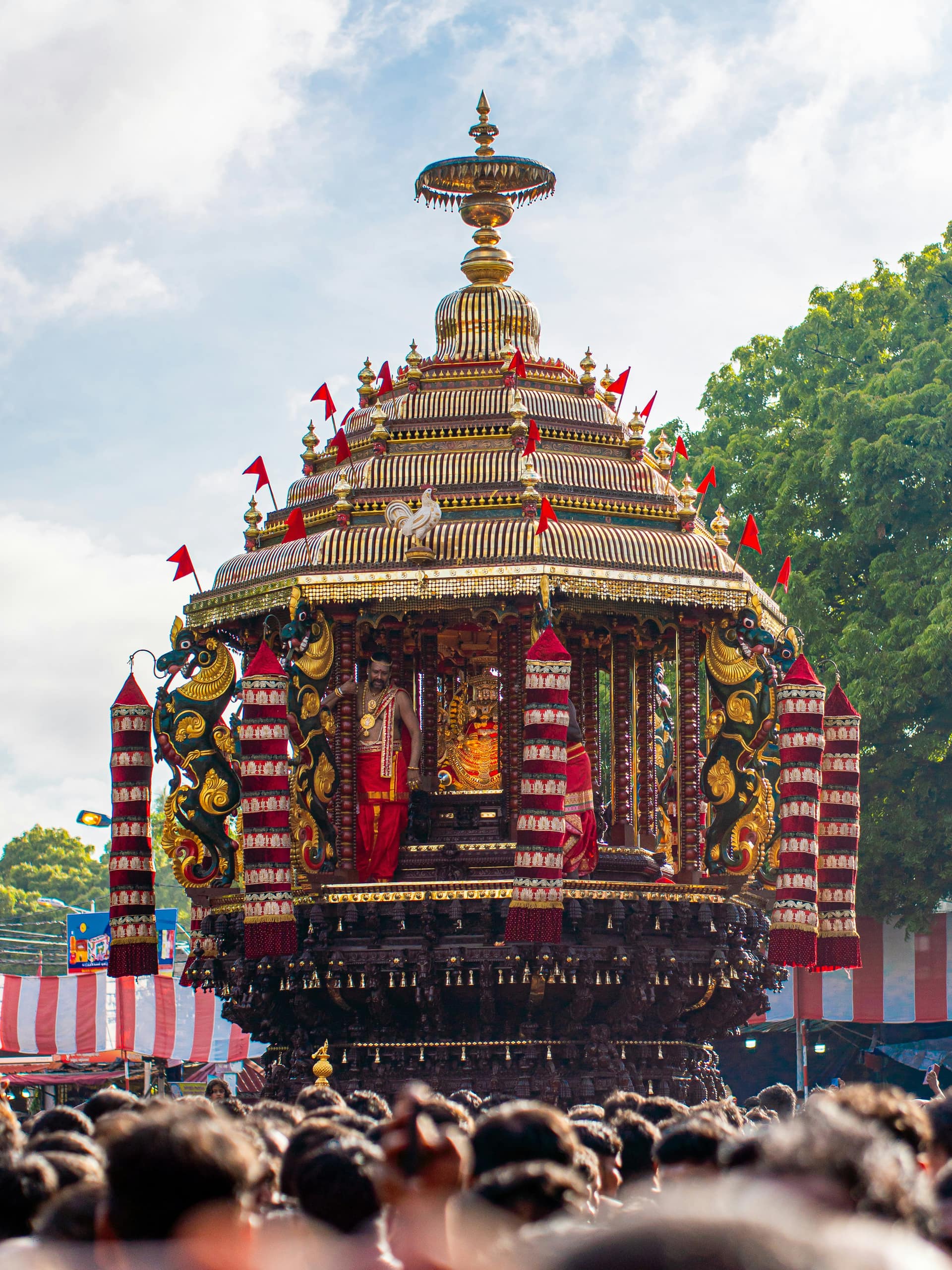
- Nallur Kandaswamy Kovil, one of Sri Lanka's most significant Hindu temples, holds a major annual festival, dates shift each year with the lunar-based Hindu calendar, drawing large numbers of devotees over roughly three weeks.
- The offshore islands of Delft (Neduntheevu) and Nainativu are reached by ferry from the Jaffna peninsula and have very limited accommodation, making them better suited to a day trip than an overnight stay for most visitors.
- Jaffna was largely closed to unrestricted independent travel until the years following the end of Sri Lanka's civil war in 2009, which explains why its tourism infrastructure, luxury and otherwise, remains less developed than the south's.
Jaffna's smaller, newer luxury hotel scene
Jaffna's boutique and higher-end hotel scene is genuinely a fraction of the size and maturity of what's available around Galle, Kandy or Sigiriya, and honest expectation-setting matters here: a handful of newer properties in Jaffna town offer air-conditioned comfort, a pool and a restaurant, typically running roughly $60-150 a night, but the deep bench of heritage boutique hotels found in the south simply doesn't exist yet in the north.
This isn't a shortcoming so much as a reflection of Jaffna's more recent reopening to unrestricted travel following the end of the civil war in 2009, after which tourism infrastructure has developed steadily but from a much later starting point than the rest of the island.
Travellers specifically seeking a five-star resort experience in Jaffna are likely to be disappointed; those open to a simpler, well-run boutique property with genuine local character tend to come away impressed regardless.
Authentic Jaffna: Tamil family homestays and cuisine
Homestays with local Tamil families, typically $25-50 a night, are arguably where Jaffna's authentic side is strongest, offering a level of access to the region's distinct culture that its hotel scene, luxury or otherwise, generally can't match. Jaffna's cuisine, built around rice, seafood and a spice profile distinct from the rest of Sri Lanka, is a highlight, and Jaffna crab curry in particular is widely regarded as one of the island's best regional dishes.
Jaffna's Hindu temple culture, centred on Nallur Kandaswamy Kovil, one of Sri Lanka's most significant Hindu temples, is deeply woven into daily life here in a way that differs from the Buddhist-majority south, and a homestay host is often the most natural way to understand local customs around temple visits and dress.
The Jaffna Public Library, rebuilt after being destroyed in 1981 and now restored as one of the largest libraries in Asia, and the old Dutch-built Jaffna Fort are both free or low-cost to visit and central to understanding the peninsula's layered colonial and Tamil history.
- →Tamil family homestays in Jaffna typically run $25-50 a night with home-cooked meals, often including Jaffna crab curry.
- →Nallur Kandaswamy Kovil is one of Sri Lanka's most significant Hindu temples and hosts a major annual festival, dates shift with the Hindu lunar calendar.
- →Jaffna Fort and the rebuilt Jaffna Public Library are both low-cost or free visits central to the peninsula's history.
The Jaffna islands: Delft and Nainativu
Delft Island (also known as Neduntheevu), reached by a roughly 30-45 minute ferry from the Jaffna peninsula, is known for wild ponies descended from Dutch colonial-era stock, coral-stone fences and Baobab trees unusual for Sri Lanka, and it is best treated as a half or full-day trip rather than an overnight stay given very limited accommodation.
Nainativu, home to both a significant Buddhist site (Nagadeepa Vihara) and a Hindu temple (Nagapooshani Amman Kovil), is another short ferry trip from the mainland and is often combined with Delft in a single day's outing.
Neither island has meaningful luxury infrastructure, and this is one part of the north where the authentic option is essentially the only realistic option; a day trip from a Jaffna town base, luxury or homestay, works equally well for both islands.
Choosing how to experience Jaffna and the north
Given the genuinely limited hotel infrastructure here compared to the rest of the island, the choice in Jaffna is less about luxury versus authentic in the usual sense and more about comfort level versus depth of local contact.
- →Choose a Jaffna town boutique hotel if: you want reliable air conditioning and a pool after touring in the heat, or you're combining Jaffna with a longer trip and want a straightforward, no-surprises base.
- →Choose a Tamil family homestay if: cultural depth and food matter more than amenities, or you want the fullest possible picture of Jaffna's distinct Tamil and Hindu identity.
- →Choose a blend if: you base yourself at a Jaffna town hotel for the practical comforts and add a homestay-style meal or a guided visit with a local host for the temples and markets, which most Lankan Stays & Trails northern itineraries build in given the region's smaller hotel infrastructure.
Planning Jaffna into a wider Sri Lanka itinerary
Jaffna typically works as a two to three day add-on to a longer Sri Lanka trip rather than a starting point, given the distance from Colombo, roughly a 6-7 hour drive or a shorter domestic flight, and is often paired with Anuradhapura or the eastern coast en route. Lankan Stays & Trails treats Jaffna as a genuinely distinct region within a private, driver-guided itinerary, setting realistic expectations about its smaller luxury infrastructure while making the most of the homestays, temples and island trips that make the north worth the extra distance.
Frequently asked questions
Does Jaffna have luxury hotels like the rest of Sri Lanka?
A small number of newer boutique hotels exist in Jaffna town, typically $60-150 a night, but the scene is considerably smaller and less developed than Galle, Kandy or the south coast. Travellers expecting five-star resort infrastructure in Jaffna should adjust expectations accordingly.
Is a Jaffna homestay a good option for Americans?
Yes, and it's arguably the strongest way to experience the region. Tamil family homestays, typically $25-50 a night, offer direct access to Jaffna's distinct cuisine and Hindu temple culture in a way the hotel scene generally doesn't match yet.
How do you get to Delft Island from Jaffna?
By ferry, roughly 30-45 minutes from the Jaffna peninsula, best arranged as a half or full-day trip rather than an overnight stay given the island's very limited accommodation. Delft is known for wild ponies, coral-stone fences and unusual Baobab trees.
Is Jaffna safe and open for tourists now?
Yes. Jaffna has been open to unrestricted independent travel in the years following the end of Sri Lanka's civil war in 2009, and tourism infrastructure, hotels, homestays and guided tours, has developed steadily since, though it remains newer and smaller-scale than the south.
How many days should you spend in Jaffna?
Two to three days is typical, covering Jaffna Fort, Nallur Kandaswamy Kovil, the Jaffna Public Library and a day trip to Delft or Nainativu Island. It usually works as an add-on to a longer Sri Lanka itinerary rather than a standalone destination.
What food should you try in Jaffna?
Jaffna crab curry, built around the region's distinct spice profile, is widely considered one of Sri Lanka's best regional dishes, alongside other seafood and rice specialities that differ noticeably from cuisine further south. A homestay meal is often the most authentic way to try them.
How far is Jaffna from Colombo?
Roughly a six to seven hour drive by road, or a considerably shorter domestic flight between Colombo and Jaffna. Most itineraries pair Jaffna with Anuradhapura or the eastern coast as a stop en route, given the distance involved.