
Quick answer
A luxury solo wellness retreat in Sri Lanka is typically a 7 to 14 night stay at one or two Ayurveda or yoga-focused properties, structured around a daily programme of consultations, treatments, yoga or meditation sessions and prescribed rest, rather than a touring itinerary that moves between regions. Most retreats are based in the hill country or on the south-west coast, run on a full-board or programme-inclusive basis, and suit a traveller who wants a single, deeply restorative base rather than a trip covering multiple destinations.
Key takeaways
- A genuine wellness retreat trip is structured around one or two bases held for the retreat's full duration, typically 7 to 14 nights, rather than the multi-stop touring format of a general solo trip.
- Traditional Ayurveda programmes generally begin with a consultation from a resident practitioner, who then prescribes a personalised daily schedule of treatments, diet and rest for the remainder of the stay.
- Most dedicated wellness retreats sit in the cooler hill country around Nuwara Eliya and Ella or on the calmer south-west coast, chosen for climate and quiet rather than proximity to sightseeing.
- A longer Ayurveda programme, generally two weeks or more, is considered necessary for a genuine detoxification or panchakarma-style treatment course; shorter stays of under a week are better framed as an introduction or a rejuvenation stay rather than a full therapeutic programme.
- Sri Lanka sits roughly 3.5 to 4.5 hours ahead of Switzerland year-round, meaning a solo traveller arrives with minimal jet lag and can begin a wellness programme within a day of landing.
What a wellness retreat trip actually involves
Unlike a general solo touring trip that moves through several regions, a wellness retreat is deliberately static: one base, occasionally two, held for the full length of the stay, with each day following a set programme rather than a sightseeing schedule. This is the core distinction from general solo travel in Sri Lanka, where variety of place is usually the point.
A typical day includes an early consultation or treatment session, yoga or meditation, prescribed meals timed to the programme, and structured rest, with the pace intentionally slower than a touring itinerary. Most retreats discourage or limit excursions during an active treatment programme, since rest is considered part of the therapy rather than an interruption to it.
This format suits a solo traveller particularly well, since the retreat's own structure provides the day's plan, removing the need to negotiate pace or activity choices that a group or family trip would otherwise require.
- →One or two bases held for the full stay, rather than a multi-region touring format.
- →A set daily programme (consultation or treatment, yoga or meditation, prescribed meals, structured rest) sets the pace.
- →Excursions are typically limited during an active treatment programme, since rest is considered part of the therapy.
How a typical Ayurveda or yoga programme is structured
Most traditional Ayurveda retreats begin with a consultation from a resident practitioner, who assesses the traveller's constitution and health goals before prescribing a personalised daily schedule of treatments, oils, diet and rest for the remainder of the stay. This individualised approach is a defining feature of a genuine Ayurveda programme, as distinct from a single spa treatment booked as a one-off.
A longer programme, generally considered to need two weeks or more, is what is required for a genuine detoxification or panchakarma-style treatment course; a stay of under a week is better understood as an introduction or a rejuvenation break rather than a complete therapeutic programme, and it is worth being clear about which of the two a specific traveller actually wants before booking.
Yoga-focused retreats follow a related but distinct structure, generally built around two daily sessions, morning and evening, meditation, and a vegetarian or plant-forward menu, with less emphasis on individualised medical consultation than a traditional Ayurveda programme.
- →Ayurveda programmes: begin with an individual consultation, followed by a personalised daily treatment schedule.
- →Panchakarma-style detox programmes: generally need two weeks or more to be genuinely effective.
- →Yoga and meditation retreats: typically two daily sessions plus a plant-forward menu, less individualised than Ayurveda.
- →Shorter stays under a week: better framed as an introduction or rejuvenation break, not a full programme.
Where Sri Lanka's luxury wellness retreats are based
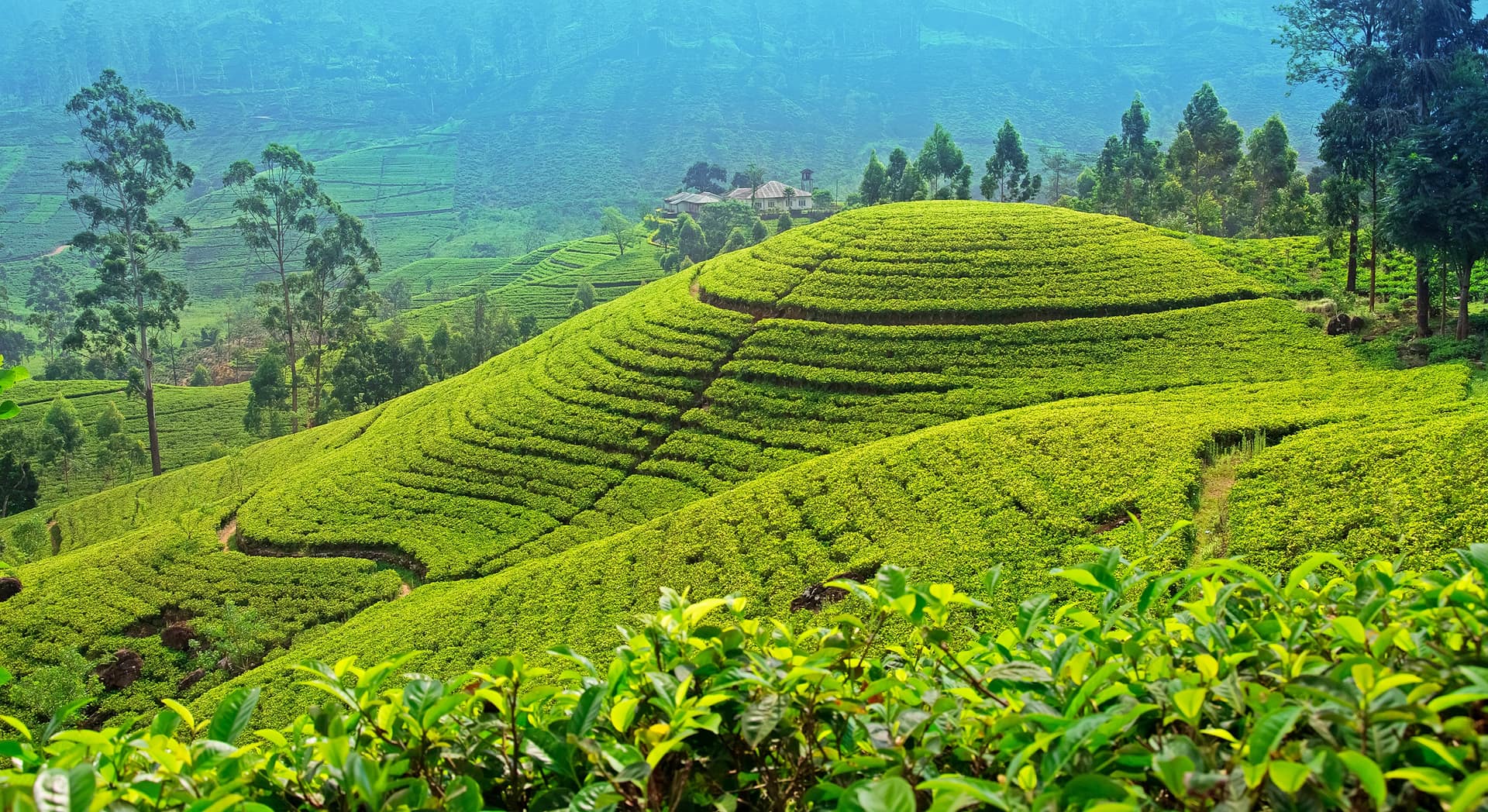
The cooler hill country around Nuwara Eliya and Ella suits a retreat particularly well, since the lower temperatures make the slower pace and prescribed rest of a wellness programme easier to sustain than in coastal heat, and the surrounding tea-estate scenery supports gentle walks between sessions without leaving the retreat's grounds.
The calmer south-west coast is the other common base, chosen for its quieter beaches outside peak season and easy access for arrival from Colombo, generally suiting a shorter rejuvenation-style stay rather than a longer inland detox programme.
A small number of retreats combine both, a hill-country stretch followed by a coastal finish, though this reintroduces some of the movement a genuine single-base retreat is designed to avoid, so it is worth confirming which format a specific traveller actually wants before booking.
- →Hill-country retreats (Nuwara Eliya, Ella): cooler climate, gentler pace, generally suited to longer programmes.
- →South-west coast retreats: quieter beaches outside peak season, generally suited to shorter rejuvenation stays.
- →Combined hill-country-and-coast retreats: exist but reintroduce movement a single-base retreat is designed to avoid.
Planning it from Switzerland: flights, visa and timing
There is no non-stop flight from Zurich or Geneva to Colombo, so the journey connects via a hub such as Doha, Abu Dhabi, Dubai or Istanbul, or another European hub onto SriLankan Airlines. Total travel time typically runs roughly 12 to 17 hours depending on routing, worth confirming current schedules when booking, particularly since arriving well rested matters more before a wellness programme than before a touring trip.
Swiss citizens need an Electronic Travel Authorisation (ETA), applied for online before departure; confirm the current fee and process closer to travel. Sri Lanka's roughly 3.5 to 4.5 hour time difference from Switzerland means minimal jet lag, so a programme can genuinely begin within a day of arrival rather than needing a settling-in period first.
December to March suits a coastal-based retreat, while the hill country is comfortable for a retreat stay across most of the year given its cooler climate; either way, booking a specific retreat programme several months ahead is worth doing, since the best practitioners and smaller retreat properties have limited capacity.
Travelling alone to a wellness retreat is worth planning around slightly differently from a touring trip: arranging the private transfer directly from the airport to the retreat in advance, rather than figuring out onward transport on arrival, removes one more decision from a day that is meant to be the start of genuinely switching off.
Choosing the right length and type of programme
A traveller wanting a genuine introduction to Ayurveda, without committing to a full detox programme, is generally best served by a stay of 7 to 10 nights at a single hill-country or coastal retreat, long enough to experience a real consultation and several treatments without the full two-week commitment a panchakarma programme requires.
USD is the more useful reference currency for quotes on a retreat stay, with CHF exposure coming mainly from the exchange rate at time of payment. Confirming exactly what is included, treatments, meals, consultations, versus what is charged separately, is worth doing directly with the retreat before booking, since inclusions vary considerably between properties.
It is worth being honest with a chosen retreat about any existing medical conditions or medications before arrival, since a genuine Ayurveda programme adjusts diet and treatment around a traveller's actual health, not a generic template, and a good practitioner will want that information as part of the initial consultation rather than discovering it partway through the stay.
Building your wellness retreat trip
Lankan Stays & Trails can arrange a private, driver-guided transfer to and from a chosen wellness retreat and help select a programme suited to a traveller's actual goals, whether a genuine detox stay or a shorter rejuvenation break. Our pillar guide to the best luxury Sri Lanka experiences for Swiss travellers covers the wider landscape this retreat sits alongside.
Solo travellers wanting a touring itinerary instead of a retreat format, moving between regions rather than staying at one base, may find our general solo travel guide the better fit for that different kind of trip.
Frequently asked questions
How long should a luxury wellness retreat in Sri Lanka be?
For a genuine introduction, roughly 7 to 10 nights is typical. A full Ayurveda detoxification or panchakarma-style programme generally needs two weeks or more to be genuinely effective, so a shorter stay is better understood as a rejuvenation break.
What is the difference between an Ayurveda retreat and a yoga retreat?
An Ayurveda retreat begins with an individual consultation and follows a personalised daily treatment and diet schedule. A yoga retreat is generally less individualised, built around two daily sessions plus meditation and a plant-forward menu.
Where are the best wellness retreats in Sri Lanka?
The cooler hill country around Nuwara Eliya and Ella and the calmer south-west coast are the two most common bases. The hill country generally suits longer, slower programmes; the coast suits shorter rejuvenation-style stays.
Is a wellness retreat suitable for a solo traveller?
Yes, it is a particularly well-suited format for solo travel, since the retreat's own structured daily programme sets the pace, removing the need to negotiate activities or timing that a group or family trip would otherwise require.
Do I need a visa for a wellness retreat trip to Sri Lanka?
Yes, Swiss citizens need an Electronic Travel Authorisation (ETA), applied for online before departure rather than at a consulate. Confirm the current fee and process on the official channel closer to travel.
What is included in a typical Ayurveda retreat programme?
Most include an initial consultation, a personalised schedule of treatments and oils, prescribed meals and structured rest. Confirm exactly what is included versus billed separately directly with the retreat, since inclusions vary between properties.
Does Lankan Stays & Trails arrange wellness retreat trips?
Yes. We arrange private transfers to and from selected wellness retreats and help match a traveller's actual goals, whether a full detox programme or a shorter rejuvenation stay, to the right property and length of programme.