
Quick answer
In Sri Lanka, staged photo opportunities such as stilt fishermen posing on poles near Koggala and Weligama, tea pluckers posing beside the road and snake charmers expect payment, so agree the amount before you take the photo. Ordinary people going about their day do not expect money, but always ask permission, especially with portraits. Never pay monks for photos, and never photograph people at prayer without consent.
Key takeaways
- Staged scenes such as posing stilt fishermen expect payment; agree it first.
- Roadside tea plucker poses and snake charmers are also paid photos.
- Ordinary street portraits: ask permission; payment is not expected.
- Never pay monks for photos; ask respectfully or photograph from a distance.
- Do not photograph people at prayer or in distress without consent.
Staged scenes and paid poses
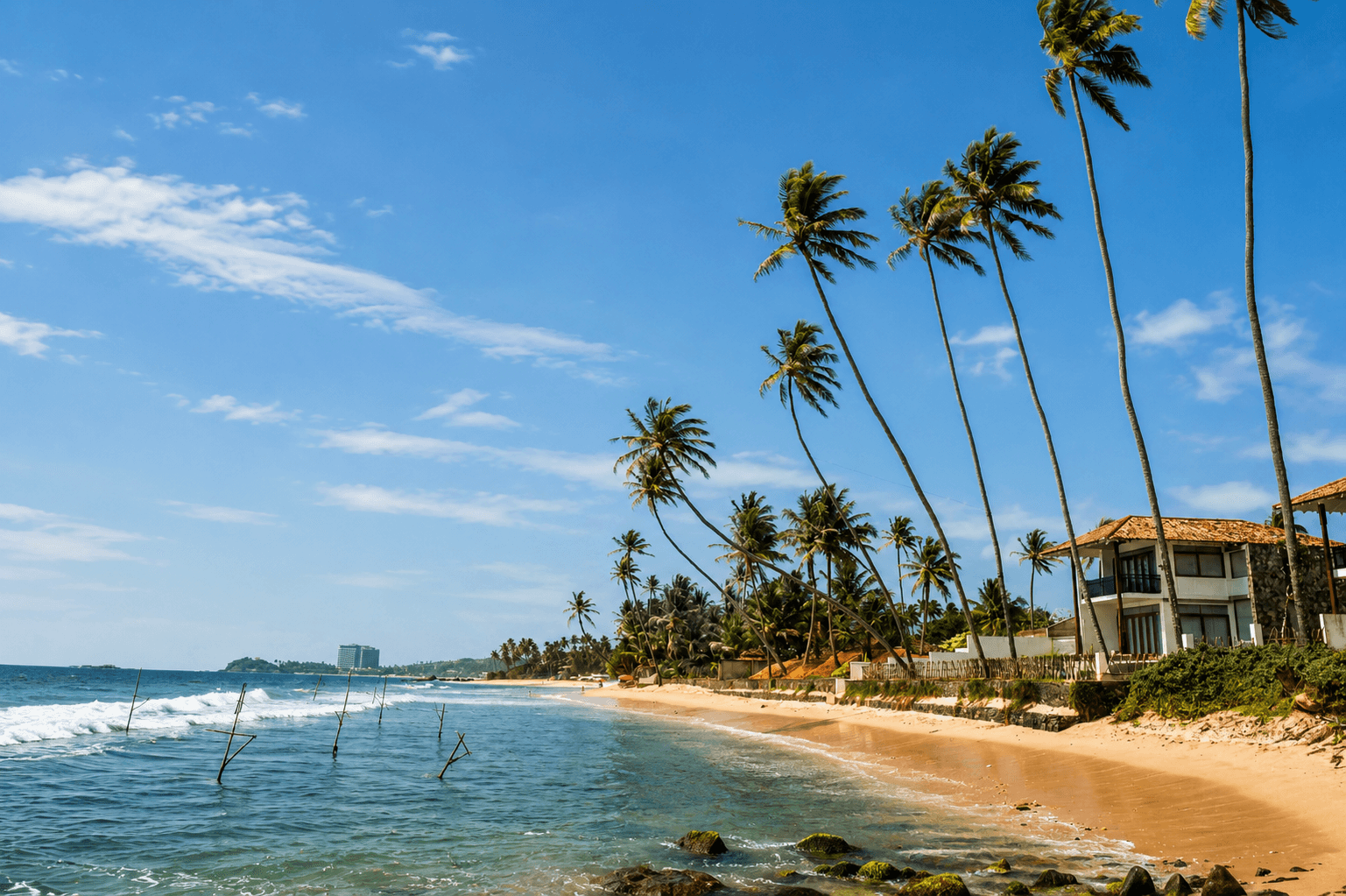
Stilt fishing is a real traditional practice on the south coast, but today the men on poles near Koggala, Ahangama and Weligama in daylight are mostly posing for visitors. They will ask for payment if you photograph them, and some will climb onto the poles only once a fee is agreed.
The same applies to tea pluckers who wait by roadsides near Nuwara Eliya and Ella to pose with baskets, snake charmers near tourist sites, and people with monkeys, owls or other animals offered as photo props.
There is nothing wrong with paying for these photos, as long as you agree the amount before you shoot. Doing so avoids a dispute afterwards.
- →Stilt fishermen on poles near Koggala and Weligama.
- →Roadside tea plucker poses in the hills.
- →Snake charmers and animal props.
What to pay
Prices for staged scenes are set by the people posing and vary widely. Ask first, agree a figure, and pay it in rupees. For a quick photo with a roadside tea plucker, a small note is usually acceptable; stilt fishermen often ask more for a group of photos, and a clear agreement matters most there.
If the price quoted seems high, you can negotiate politely or simply decline and move on. Taking photos and then refusing to pay is the one thing that causes real arguments.
Do not pay people offering wild animals such as slow lorises, owls or snakes as photo props. Those animals are often kept in poor conditions, and payment keeps the trade going.
- →Agree the price before shooting.
- →Pay in rupees.
- →Decline politely if the price is too high.
- →Do not pay for photos with captive wild animals.
Ordinary people and street portraits
People going about their daily lives, such as fish sellers at Negombo market, tea pluckers working in the fields, schoolchildren in white uniforms or worshippers at a temple, are not posing for money. Payment is not expected, and offering cash can feel transactional.
Ask before taking a close portrait. A smile, a gesture towards the camera and a nod of permission are enough. Showing the person the image on your screen is often appreciated.
If someone says no, respect it. Some people, particularly women in conservative communities, prefer not to be photographed.
- →Ask with a smile and a gesture.
- →Show the photo afterwards.
- →Accept a no without argument.
Monks, temples and worshippers
Buddhist monks should never be paid for photos, and should be asked respectfully before a close portrait. Many are happy to be photographed; some are not. Never pose with your back to a Buddha statue, and do not photograph people in prayer at close range.
Some temples prohibit photography in shrine rooms, and others charge a camera fee at the entrance. Follow the signs. Any camera fee is paid at the counter, not to individuals.
Tea pluckers in the fields
Tea pluckers working in the estates are among the lowest paid workers in Sri Lanka. If you stop to photograph them at work, ask first. Many visitors feel uneasy photographing hard work for free, and buying tea from the estate shop or the factory is a meaningful way to give back.
Handing cash to working pluckers can also cause problems with supervisors. If you wish to give something, a small amount offered with permission is accepted by some, but buying tea is the cleaner route.
Lankan Stays & Trails guides can take you to estates that welcome visitors and explain the plucking, which gives better photographs and a better understanding than a roadside pose.
- →Ask before photographing working pluckers.
- →Buy estate tea to give back.
- →Visit estates that welcome visitors.
Drones and sensitive places
Drone photography in Sri Lanka requires permission from the civil aviation authority and is restricted near airports, military sites and some heritage sites. Do not fly over people without consent.
Military installations, police stations and some government buildings must not be photographed at all. Ask your driver when in doubt.
Frequently asked questions
Do you have to pay stilt fishermen for photos?
Usually, yes. Most stilt fishermen on poles near Koggala, Ahangama and Weligama during the day are posing for visitors and expect payment. Agree the price before you take photos, pay in rupees, and decline politely if the price seems too high. Never shoot first and refuse to pay.
Should I pay tea pluckers for a photo?
Pluckers posing at roadsides with baskets expect a small payment, agreed first. Pluckers working in the fields are not posing, so ask permission, and consider buying tea from the estate as a way of giving back. Handing cash to working pluckers can cause problems with supervisors.
Do I pay people for street portraits in Sri Lanka?
No. People going about their daily lives do not expect money for photos. Ask permission with a smile and a gesture, show them the photo, and accept a refusal gracefully. Offering cash to ordinary people can make the moment feel transactional.
Can I photograph monks in Sri Lanka?
Often, yes, but ask respectfully before a close portrait and never offer money for the photo. Do not photograph monks or worshippers at prayer at close range. If you wish to support a temple, use the donation box.
Is it okay to pay for photos with snakes or owls?
It is better not to. Wild animals used as photo props, such as snakes, owls and slow lorises, are often kept in poor conditions, and paying keeps the trade alive. Admire wildlife in national parks and reserves instead.
Are there places I cannot photograph in Sri Lanka?
Yes. Military sites, police stations and some government buildings must not be photographed. Some temple shrine rooms prohibit photography, and others charge a camera fee at the entrance. Drones need permission from the civil aviation authority. Ask your driver if unsure.