
Quick answer
Photographing the exterior, painted figures, stream and surroundings of the Seetha Amman Temple is generally accepted. Ask before photographing the main shrine's images, never photograph during a puja without permission and do not use flash in the sanctum. Ask before photographing people, especially priests, women and children. Early morning gives the softest light and fewest crowds. Mist is common and adds atmosphere. Drones should not be flown over the temple without permission.
Key takeaways
- The exterior, figures and stream are generally fine to photograph.
- Ask before photographing the main shrine's images.
- Never photograph a puja without permission, and avoid flash.
- Ask before photographing people, especially women and children.
- Early morning brings the best light and fewest crowds.
What you can photograph
The painted exterior, the roofline figures, the courtyard and the stream with its rocks are generally fine to photograph. These are what most visitors capture and what local people expect.
The images in the main shrine are different. Some temples allow photographs, others do not, and rules can change. Ask the priest before raising your camera towards the sanctum, and accept a no gracefully.
Notices may be posted at the entrance. Where they exist, follow them; where they do not, asking is always the safe choice.
When in doubt, put the camera away for the first few minutes. Watching how local devotees behave, and whether anyone else is taking pictures, tells you a lot about what is welcome on that particular day.
- →Exterior, figures and stream: usually fine.
- →Main shrine images: ask first.
- →Follow any posted notices.
Pujas and worship
Avoid photographing or filming pujas unless the priest has agreed. The ritual is an act of worship, and cameras can distract both priests and devotees. Flash is especially intrusive.
If you would like a photograph of your family's archana, ask the priest beforehand. Many are happy to allow a quick picture after the ritual, but not during the chanting.
Never stand between a devotee and the shrine to get a shot, and do not turn your back on the deity for a posed selfie at the shrine itself.
Festival days need extra care. Crowds are larger, emotions run high and priests are busy with many groups, so keep the camera down during the main rituals and photograph the decorations and crowds from the edge afterwards. A few good wide shots will say more than dozens taken from the middle of the worship.
Photographing people
Ask before photographing people, especially priests, women and children. A gesture towards your camera and a smile is usually enough to ask; respect any refusal.
Pilgrims at prayer are in a personal moment. Wide shots that show the atmosphere are usually better than close-ups of someone's face in prayer.
Stall holders and flower sellers often agree to a photo, especially if you have bought something. Share the picture with them if you can.
- →Ask before photographing anyone.
- →Prefer wide shots of people at prayer.
- →Respect refusals without argument.
Light and timing
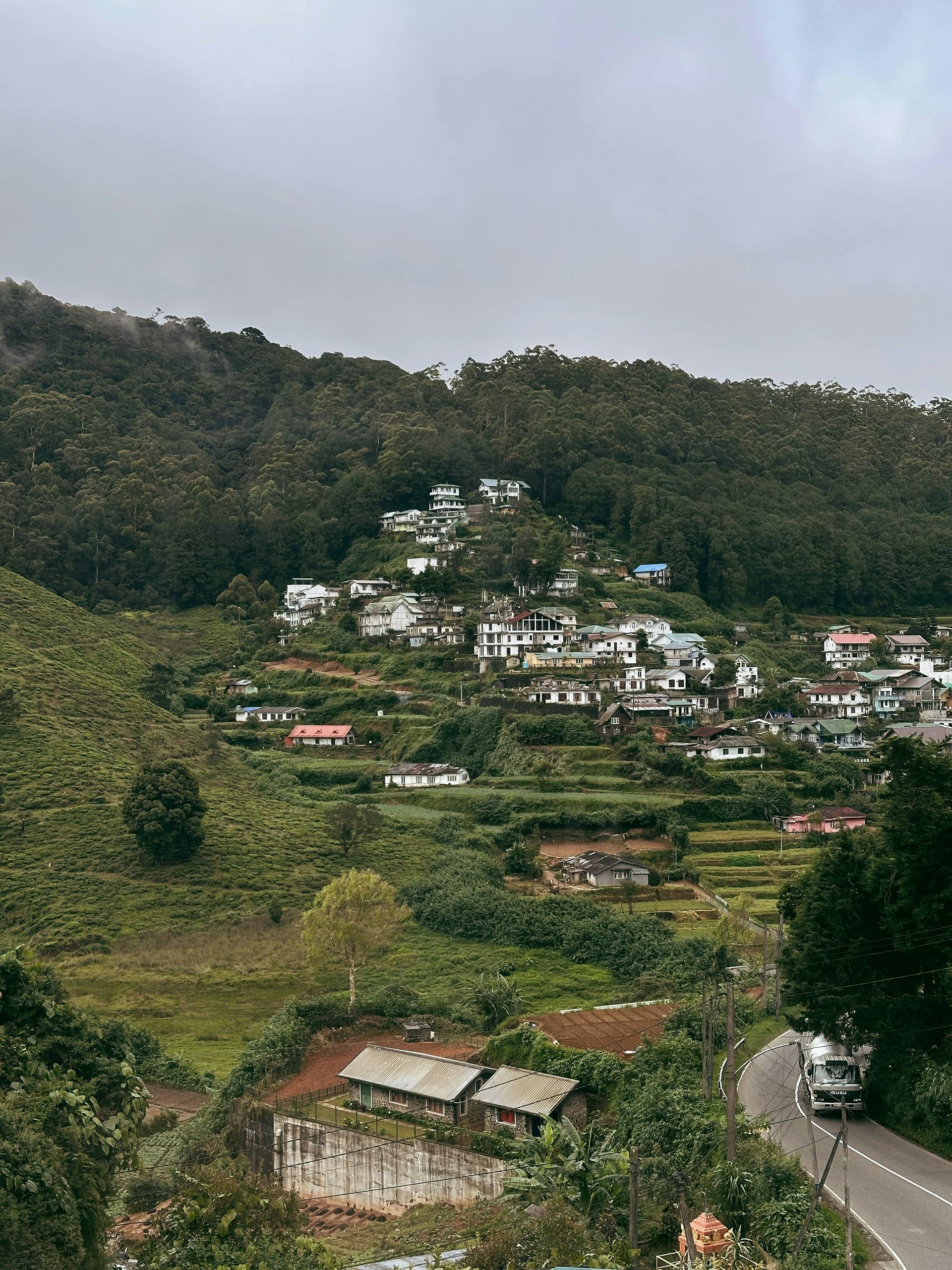
Early morning is the best time for photography. The light is soft, the stream glows and the coaches have not yet arrived. Mist often hangs over the valley and adds depth to shots of the temple against the forest.
Late morning brings harsher light and more people. Afternoons are often misty or rainy, which suits moody shots of the stream and trees but makes the painted figures look flat.
In the driest months, January to April, mornings are most often clear. In the wet months, a short break in the rain can bring beautiful light.
- →Early morning: soft light, few people.
- →Late morning: harsh light, crowds.
- →Afternoon: mist and moody tones.
Good angles
The roadside gives a wide view of the temple's colourful front. From the steps down to the stream, you can frame the shrine against the trees, with the water in the foreground.
Close-ups of the painted figures, such as Hanuman offering the ring to Sita, make strong details. Flowers and sindoor on the footprint rocks tell the story of devotion without showing faces.
Take care on the rocks. Never climb on walls or statues for a better angle, and do not stand on the footprint marks.
- →Roadside: the full colourful front.
- →Steps: shrine framed with water.
- →Details: painted figures and decorated rocks.
Practical tips
Protect your camera from rain and mist with a cover or bag. Lenses fog quickly when moving between a warm car and the cold air, so give them a few minutes to adjust.
Drones should not be flown over the temple or crowds without permission. Ask the temple and check national rules, which require permits for many drone flights.
Lankan Stays & Trails guides can suggest the quietest times and ask permission on your behalf if you would like a photograph of the shrine.
Frequently asked questions
Can I take photos at the Seetha Amman Temple?
Yes, of the exterior, painted figures, courtyard and stream. Ask before photographing the main shrine's images, avoid flash and never photograph a puja without permission. Follow any posted notices and the priest's guidance.
Can I photograph the deities?
Ask the priest first. Some temples allow photographs of the images, others do not, and rules can change. If the answer is no, accept it gracefully. Photographs of the painted figures outside the sanctum are generally fine.
Can I film a puja?
Only with the priest's permission, and preferably not during the chanting. Ask before the ritual begins. Many priests will allow a quick photograph afterwards. Avoid flash and do not block devotees' view of the shrine.
When is the best light for photography?
Early morning, soon after the temple opens, gives soft light, glowing water and few people. Mist often adds atmosphere. Late morning light is harsher, and afternoons are often misty or rainy, which suits moody shots of the stream.
Can I fly a drone at the temple?
Not without permission. Do not fly over the temple, worshippers or crowds. Sri Lanka requires permits for many drone flights. Ask the temple and check current national rules well before your trip.
Is it rude to take selfies at the temple?
Selfies at the roadside or stream are generally fine if done discreetly. Avoid posing with your back to the main shrine or during worship, and never climb on walls, statues or the footprint rocks for a picture.
How do I protect my camera from the mist?
Use a rain cover or keep the camera in a bag between shots. Lenses fog when moving from a warm car into cold air, so allow a few minutes to adjust. Carry a microfibre cloth for wiping off moisture.