
Quick answer
Choose Sinharaja's rainforest for slow, guided wildlife and birdwatching in dense, humid, biodiverse canopy, best for travellers with a genuine naturalist interest and tolerance for warm, wet conditions. Choose the hill country around Nuwara Eliya and Ella for cool air, terraced tea-estate scenery, colonial-era character and easier, more comfortable walking, best for travellers wanting scenic relief from the tropical coast. Most nature-focused itineraries of 10 days or more comfortably include both.
Key takeaways
- Sinharaja offers dense, wet, biodiverse lowland rainforest with over 60% endemic tree species and some of the island's best endemic birdwatching, walked slowly at a naturalist's pace.
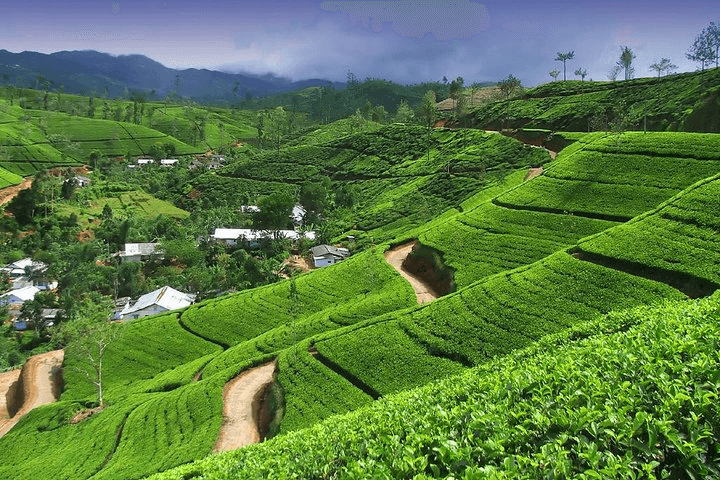
- The hill country around Nuwara Eliya and Ella offers cool air, terraced tea-estate landscapes and colonial-era character, a genuinely different, drier and more comfortable walking environment.
- Sinharaja suits travellers with a genuine naturalist or birdwatching interest and tolerance for warm, humid, sometimes muddy conditions and the possibility of leeches.
- The hill country suits travellers wanting scenic relief from the tropical coast, cooler evenings for a log fire, and an easier, more universally comfortable walking experience.
- Both fit comfortably within a 10-day-or-longer itinerary, one or two nights each, giving a genuinely varied sense of Sri Lanka's green landscapes rather than choosing only one.
Two green landscapes, almost opposite in character
Sinharaja's lowland rainforest is warm, humid and densely biodiverse, a UNESCO Biosphere Reserve protecting primary forest and endemic species found nowhere else, walked slowly on uneven, sometimes muddy trails at a naturalist's observational pace.
The hill country around Nuwara Eliya and Ella, by contrast, is cool, drier and more open, terraced tea estates and colonial-era architecture rather than dense wild forest, offering easier, more comfortable walking and cooler evenings.
Who Sinharaja's rainforest suits
Sinharaja suits travellers with a genuine naturalist or birdwatching interest, willing to tolerate warm, humid conditions, occasionally muddy trails and the possibility of leeches during wetter periods, in exchange for close encounters with endemic species found nowhere else.
It is a slower, more observational kind of nature experience, rewarding patience over distance covered, and works best with a specialist guide's knowledge of what to look and listen for.
Who the hill country suits
The hill country suits travellers wanting genuine scenic relief from the tropical coast, cool mornings and evenings, terraced green views and a more relaxed, comfortable walking environment across tea estates and shorter hikes.
It also suits travellers less interested in a purely wildlife-focused stop, since much of its appeal lies in landscape, colonial-era character and tea culture rather than dense biodiversity.
- →Sinharaja: warm, humid, biodiverse, best for naturalists and birdwatchers.
- →Hill country: cool, scenic, comfortable, best for landscape and cultural interest.
Practical differences worth knowing before choosing
Sinharaja requires a guide for most trail access and rewards a slower, more deliberate pace than the hill country's more casual estate walks, which can be self-directed to a greater extent, though a guide still adds real value.
Packing differs too: rain gear and leech socks matter more for Sinharaja, while a warm layer for cool evenings matters more for the hill country, reflecting the genuinely different conditions of each.
Why most itineraries of 10 days or more include both
Rather than choosing definitively between them, most nature-focused itineraries of 10 days or more comfortably include one or two nights at each, since they sit within a reasonable private road transfer of each other and offer genuinely complementary, non-overlapping experiences.
For a shorter 7-day trip forced to choose one, the decision should follow the traveller's specific priority: genuine wildlife and birdwatching interest points toward Sinharaja, while general scenic and cultural interest points toward the hill country.
Frequently asked questions
Should I visit Sinharaja or the hill country if I can only choose one?
Choose Sinharaja if you have a genuine naturalist or birdwatching interest and can tolerate warm, humid conditions; choose the hill country for cooler, more comfortable scenic walking and colonial-era character.
Can I visit both Sinharaja and the hill country on one trip?
Yes, and most itineraries of 10 days or more comfortably include both, since they sit within a reasonable private road transfer of each other and offer genuinely complementary experiences.
Is Sinharaja harder to visit than the hill country?
In terms of conditions, somewhat: Sinharaja involves warmer, more humid, sometimes muddy trails and the possibility of leeches, while the hill country offers cooler, drier and generally easier walking.
Which is better for birdwatching, Sinharaja or the hill country?
Sinharaja holds the higher concentration of endemic species, particularly forest birds, while the hill country holds a distinct set of species adapted to cooler, higher elevations; a dedicated birder benefits from visiting both.
What should I pack differently for each?
Rain gear and leech socks matter more for Sinharaja given its warm, wet conditions, while a warm layer for cool evenings matters more for the hill country, reflecting each location's genuinely different climate.
Is the hill country suitable for travellers with less interest in wildlife?
Yes. Much of its appeal lies in landscape, colonial-era character and tea culture rather than dense biodiversity, making it accessible and enjoyable even for travellers without a strong wildlife focus.
Does Lankan Stays & Trails include both in nature-focused itineraries?
Yes, where the trip length allows. We generally recommend including both Sinharaja and the hill country in itineraries of 10 days or more, and help prioritise between them for shorter trips.