
Quick answer
Premium arrack rose in Sri Lanka over recent decades. Producers launched 100 per cent coconut, age-stated and oak-touched bottles aimed at enthusiasts, gifts, hotels and export. Cocktail culture abroad rediscovered arrack's role in punch history, while Colombo's bars and hotels put arrack cocktails on menus. A younger urban crowd embraced premium arrack. Everyday blends still dominate sales, but premium arrack now offers sipping spirits comparable to aged rum and whisky.
Key takeaways
- Premium arrack has grown in Sri Lanka over recent decades.
- Producers launched pure coconut, age-stated and oak-touched bottles.
- Cocktail culture abroad and in Colombo boosted arrack's image.
- A younger urban crowd embraced premium arrack.
- Everyday blends still dominate sales by volume.
The image problem
Through much of the twentieth century, arrack's public image was dominated by cheap blends, quarter bottles and late nights, and by the problems of illicit liquor. For many affluent Sri Lankans and visitors, imported whisky signalled status, not arrack.
Pure coconut arrack existed but was not widely marketed as a premium product. Few bottles carried age statements or elegant packaging.
That image shaped how visitors saw arrack too: a cheap local drink rather than a spirit worth sipping.
Illicit liquor added to the problem. News stories about kasippu poisonings and the social costs of cheap drinking coloured how many people saw local spirits in general, making it harder for producers to present arrack as something refined.
- →Image: cheap blends.
- →Status: imported whisky.
- →Pure coconut: undersold.
New premium products
In recent decades, producers, named only at house level here, have launched premium ranges: 100 per cent coconut arracks, age-stated bottles from around five to fifteen years or more, oak-touched and cask-finished releases and gift boxes.
Packaging and storytelling changed, emphasising toddy tapping, halmilla vats and heritage. Labels began to state coconut content and age clearly, helping buyers distinguish tiers.
Export-focused labels, such as Ceylon Arrack from Rockland, introduced Sri Lankan arrack to bartenders abroad.
Bottle design changed with the products. Premium arracks moved towards heavier glass, cleaner labels and gift boxes that look at home beside imported spirits in a duty free shop, signalling quality before anyone pours a glass.
- →Pure coconut and age statements.
- →Oak and cask finishes.
- →Heritage storytelling.
Cocktail culture
Bartenders abroad rediscovered arrack as part of the history of punch, and premium coconut arrack found a place in cocktail bars as an interesting alternative to rum.
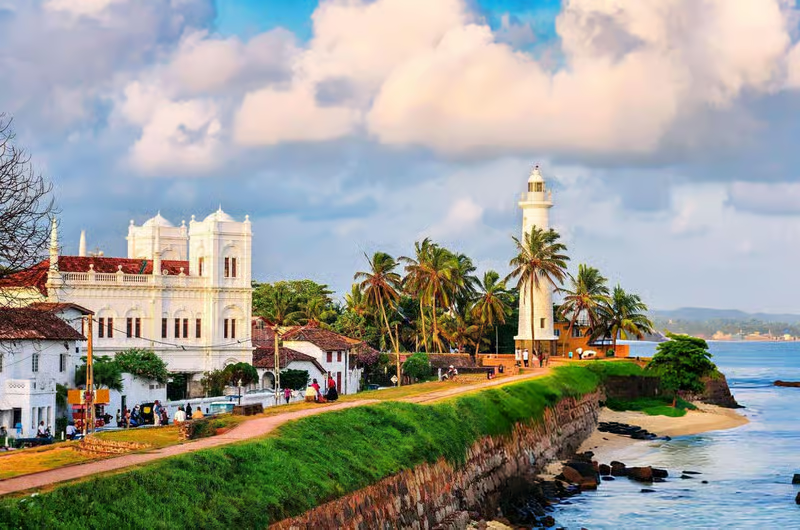
In Sri Lanka, hotel and cocktail bars in Colombo, Galle and beach resorts put arrack cocktails on menus: arrack sours, arrack old fashioneds with kithul treacle, punches and highballs.
Lankan Stays & Trails can point visitors to bars where the premium revival is most visible, and arrange tastings that compare everyday and premium arrack.
International bar competitions and cocktail writers have also helped, featuring arrack in recipes and seminars. Each mention introduces bartenders to coconut arrack and encourages producers to keep developing premium lines.
Changing local attitudes
A younger urban crowd, especially in Colombo, has embraced premium arrack and arrack cocktails as a source of pride in a local product. Premium arrack has become a respectable gift and a fixture of hotel bars.
Everyday blends still dominate sales by volume, and most Sri Lankan drinkers still choose extra special for price. The premium tier is a growing segment, not a replacement.
Visitors benefit from both: authentic everyday arrack in local bars and premium bottles for sipping and gifts.
- →Urban pride: premium arrack.
- →Volume: still everyday blends.
- →Visitors: enjoy both.
Value for visitors
Premium arrack offers good value compared with imported spirits in Sri Lanka, which carry heavy duties. Age-stated coconut arracks of five to seven years cost roughly US$25 to US$40, long-aged releases roughly US$40 to US$60 or more.
Abroad, the same bottles, where available, often cost several times as much, making Sri Lanka the place to buy.
Buy from licensed stores or duty free, as refilled premium bottles circulate in informal markets.
- →Five to seven years: roughly US$25 to US$40.
- →Older: roughly US$40 to US$60 or more.
- →Buy: licensed only.
Where it is heading
Producers continue to experiment with finishes, limited releases and single-vat bottlings, and interest in arrack tourism, from tapping visits to tastings, is growing.
Challenges remain: toddy supply, tapping labour and excise costs all weigh on pure coconut production.
For now, the premium tier gives visitors a far richer view of Sri Lankan arrack than the cheap blend image of the past.
Visitors can support the premium tier simply by asking for it. Requesting a pure coconut or aged arrack in bars and choosing one as a gift tells hotels and shops that there is demand for better local spirit.
- →Experiments: finishes, single vats.
- →Tourism: tastings and tapping visits.
- →Challenges: toddy and tax.
Frequently asked questions
When did premium arrack become popular in Sri Lanka?
Premium arrack grew over recent decades, as producers launched pure coconut, age-stated and oak-touched bottles and cocktail culture boosted arrack's image. Exact dates vary by producer, so it is best described as a recent-decades trend.
What counts as premium arrack?
Premium arrack usually means 100 per cent coconut arrack, often with an age statement of five years or more, sometimes oak-touched or cask-finished. Labels state coconut content and age clearly. Everyday special and extra special blends are not premium.
Do Sri Lankans drink premium arrack?
Some do, especially a younger urban crowd in Colombo and enthusiasts. Premium arrack is also a popular gift. Most Sri Lankan drinkers, though, still choose everyday extra special arrack for price, so the premium tier is a growing segment rather than the norm.
Where can I try premium arrack cocktails?
Hotel and cocktail bars in Colombo, Galle Fort and larger beach resorts often serve arrack cocktails such as sours, old fashioneds with kithul treacle and punches, made with premium coconut arrack. A guide can suggest current options.
Is premium arrack good value?
In Sri Lanka, yes. Age-stated coconut arracks cost roughly US$25 to US$60 or more, usually less than imported spirits of similar quality, which carry heavy duties. Abroad, the same bottles often cost several times as much.
What is driving premium arrack's growth?
New pure coconut and age-stated products, cocktail culture abroad and in Colombo, heritage storytelling about tapping and halmilla vats, export interest and growing local pride in a home-grown spirit have all contributed to premium arrack's rise.
Are premium arrack bottles counterfeited?
Refilled and counterfeit premium bottles do circulate in informal markets. Buy only from licensed wine stores or duty free, check that the seal and excise sticker are intact and keep receipts, especially for gift bottles.