
Quick answer
A 10-day Sri Lanka itinerary includes around eight paid entries: Sigiriya Rock, usually the most expensive single ticket, the Dambulla Cave Temple, Polonnaruwa, an elephant park such as Minneriya or Kaudulla, the Temple of the Sacred Tooth Relic, Yala National Park, whale watching from Mirissa, and small fees at places such as Galle's museums. Each safari combines a park entry fee, charged per person at a higher rate for foreign visitors, with a jeep hire charged per vehicle. Check current prices before travel.
Key takeaways
- Foreign visitors pay considerably higher entry fees than Sri Lankan residents at major sites and national parks.
- Sigiriya Rock is usually the most expensive single entry ticket on the 10-day route.
- A safari has two parts: a per-person park entry fee, often with taxes and service charges, and a per-vehicle jeep hire.
- A private jeep costs the same whether it carries one person or six, so sharing reduces the cost per head.
- Prices change and are set in local currency, so check current rates close to travel rather than relying on old figures.
Every paid entry on the 10-day route
The standard 10-day Sri Lanka itinerary passes roughly eight paid entries, plus optional extras such as a cultural dance show or a cooking class. The list below follows the route in order.
Most tickets are bought at the gate, often by card or cash; some sites have introduced online sales, which are worth checking before you go.
- →Day 2: Sigiriya Rock, the priciest single ticket; the Dambulla Cave Temple.
- →Day 3: Polonnaruwa ancient city; Minneriya, Kaudulla or Hurulu park fee plus jeep hire.
- →Day 4: the Temple of the Sacred Tooth Relic.
- →Day 5: the Kandy to Ella train fare, modest for any class.
- →Day 7: Yala National Park fee plus jeep hire; again for an optional dawn drive.
- →Day 9: whale watching from Mirissa, priced per person by the boat operator.
- →Day 10: small fees for museums in Galle Fort; the rampart walk is free.
How safari costs are made up
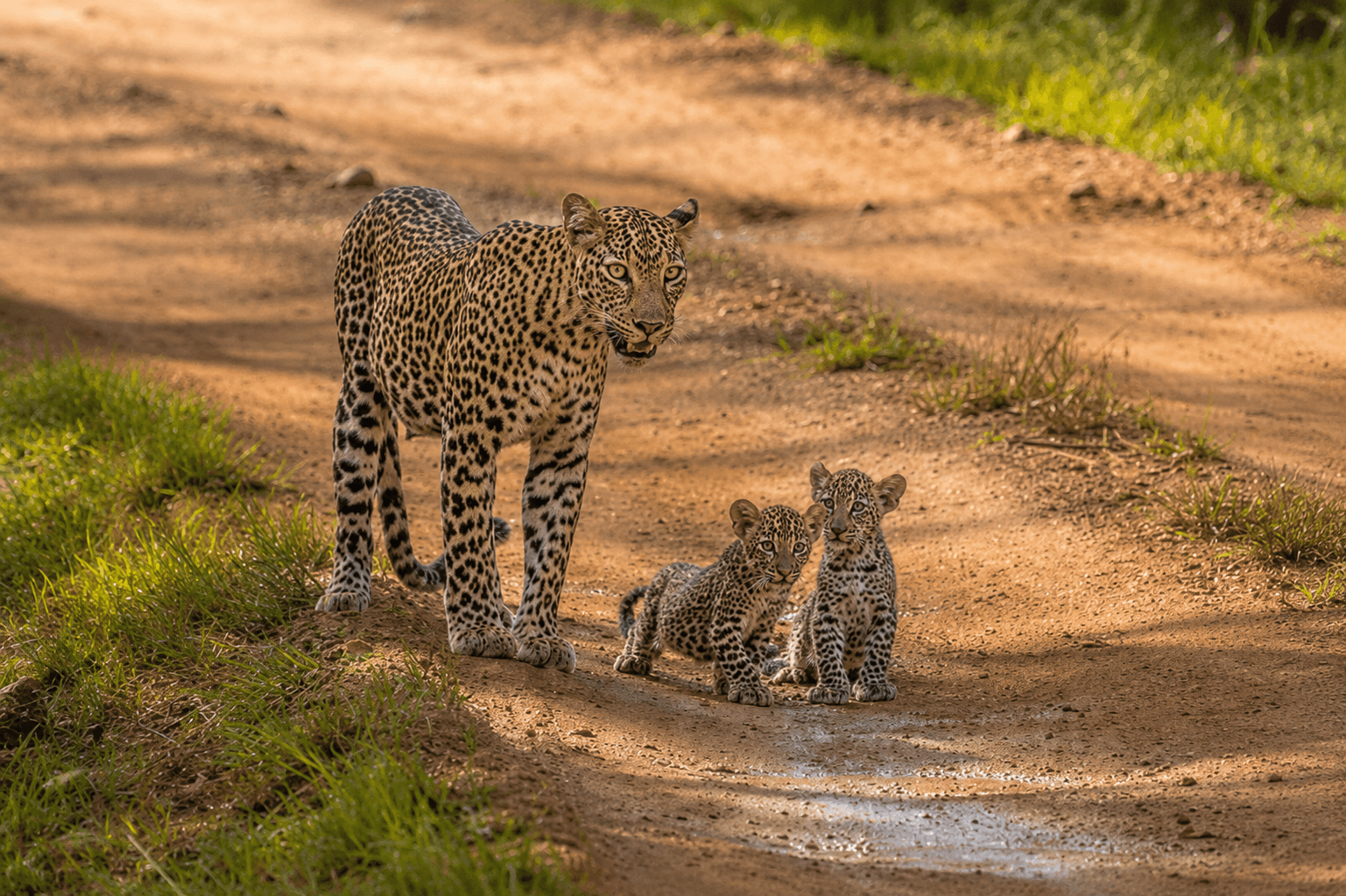
A safari in Sri Lanka has two separate charges. The park entry fee is set by the Department of Wildlife Conservation, charged per person at a higher rate for foreign visitors, and often has vehicle charges, service charges and taxes added. The jeep hire, with driver, is charged per vehicle by a private operator.
Your jeep driver usually buys the park tickets at the gate and you reimburse them, or the operator includes them in a combined price. Ask which it is before you go, to avoid confusion or double payment.
- →Park fee: per person; higher for foreign visitors; plus taxes and charges.
- →Jeep hire: per vehicle; half-day or full-day.
- →Tracker or naturalist: sometimes extra at Yala.
The free highlights
Plenty of the 10-day route costs nothing. Nine Arch Bridge, Little Adam's Peak and Ella Rock are free to walk, Kandy Lake and the Galle Fort ramparts are free, and the beaches, sunsets and markets cost nothing but time.
Some temples ask only for a donation, and the view of Sigiriya from Pidurangala costs far less than Sigiriya itself.
Cheaper alternatives to the big tickets
Travellers watching costs can make three swaps without losing the shape of the route. Pidurangala instead of Sigiriya is the biggest saving. One safari instead of two, usually keeping the elephant drive and dropping Yala, removes a park fee and a jeep hire. Sharing jeeps with other travellers spreads the vehicle cost.
Udawalawe, if chosen instead of Yala, is usually similar in park-fee structure but often needs shorter drives, and elephant sightings are nearly guaranteed, which makes the spend more certain.
- →Pidurangala instead of Sigiriya.
- →One safari instead of two.
- →Shared rather than private jeeps.
Paying for tickets on the route
Carry some cash for entry tickets, since card machines are not available everywhere and can be out of service. Keep tickets until you leave each site, as they are sometimes checked at several points, especially at Polonnaruwa and Sigiriya.
Some sites offer combined or multi-site tickets from time to time, and rules on these change; ask locally or check with your operator before buying separately.
Budgeting for tickets
Check current prices for the main sites and parks shortly before travel and add them up for the whole route; for most travellers they form a significant share of the non-accommodation budget. Add a margin for the dawn Yala drive if you might take it.
Lankan Stays & Trails quotes entry tickets and safari charges clearly in each trip, so there are no surprises at the gate. The site's travel budget guide shows how tickets fit into the overall daily cost.
Frequently asked questions
How much is the Sigiriya entry fee for foreigners?
Sigiriya is usually the most expensive single entry ticket in Sri Lanka for foreign visitors, priced far above the local rate. Prices change and are set in local currency, so check the current fee shortly before your visit. Pidurangala nearby costs much less.
How much does a Yala safari cost?
A Yala safari combines a per-person park fee, higher for foreign visitors and with taxes added, and a per-vehicle jeep hire. The total per person depends on how many share the jeep and whether you take a half or full day. Ask for a quote that shows both parts.
Who pays the park fee on a Sri Lankan safari?
Usually your jeep driver buys the tickets at the park gate and you reimburse them, unless the operator has quoted a price that includes them. Confirm which it is before the safari to avoid confusion.
Are there free things to do on a Sri Lanka itinerary?
Yes. Nine Arch Bridge, Little Adam's Peak, Ella Rock, Kandy Lake, the Galle Fort ramparts, the beaches and the sunsets are all free. Many smaller temples ask only for a donation.
Do I pay for the Temple of the Tooth?
Yes. Foreign visitors pay an entry fee to the Temple of the Sacred Tooth Relic complex, which includes access to the temple and its museums. Check the current fee locally.
Can I pay entry fees by card in Sri Lanka?
Card payment is increasingly accepted at major sites, but not everywhere and machines can be unreliable. Carry enough cash to cover the day's tickets as a backup, particularly at national parks and smaller sites.