
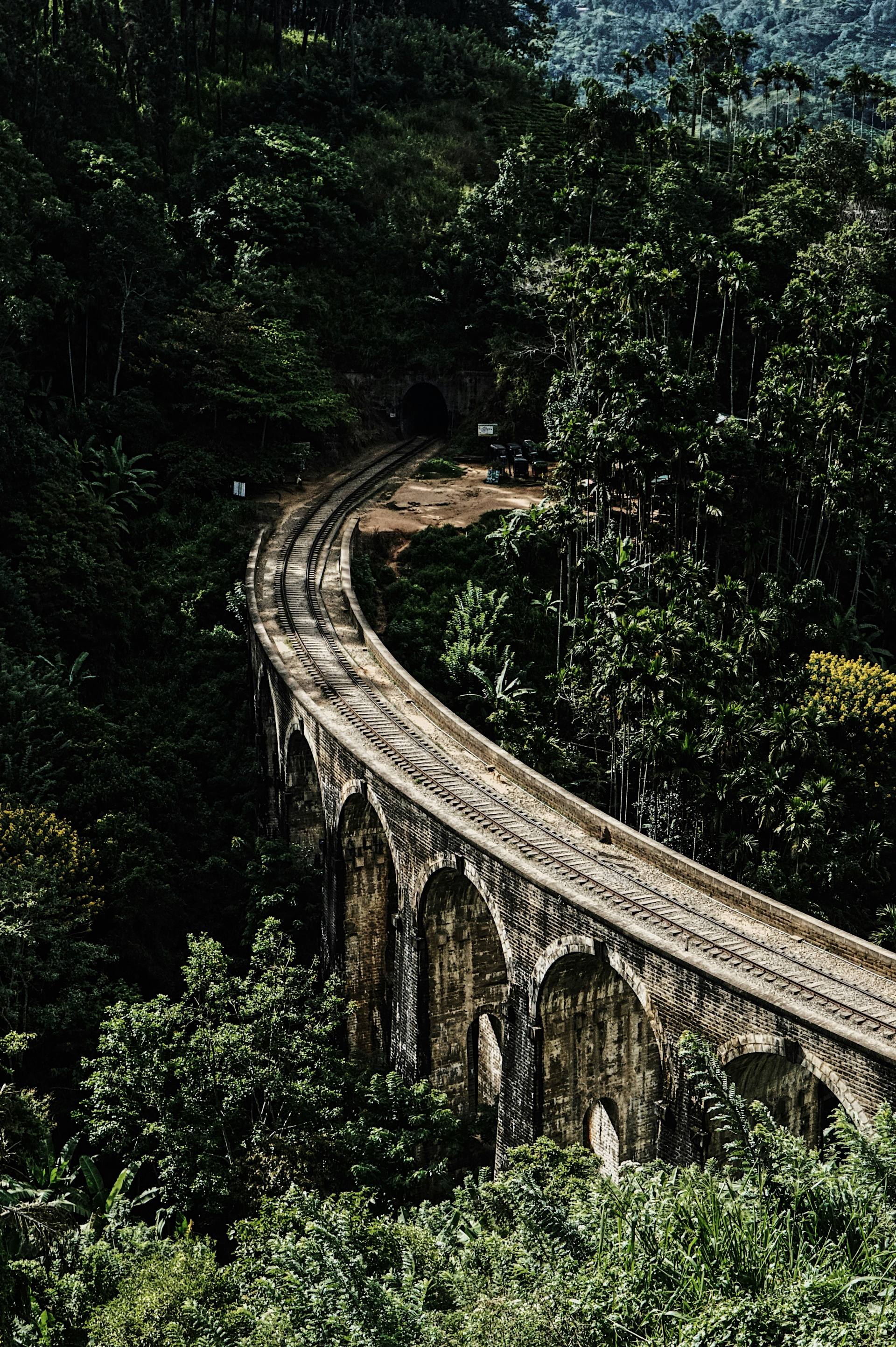
Quick answer
The best safari and hiking combinations in Sri Lanka are Ella or Haputale with Yala or Udawalawe (two to three hours apart), Horton Plains with Udawalawe, and the Knuckles range with Minneriya, Kaudulla or Wasgamuwa near Sigiriya. A balanced trip spends three nights hiking in the hills and two nights near a park. January to April is the most reliable period, when the hills are driest and the parks busy with wildlife.
Key takeaways
- Ella and Haputale pair with Yala and Udawalawe.
- The Knuckles pairs with Minneriya, Kaudulla and Wasgamuwa.
- Parks are two to three hours from the hiking bases.
- Three hiking nights and two safari nights is a balanced split.
- January to April suits both hills and parks.
Why pair hiking with safari
Hiking and safaris use different muscles and different moods. Days on the trail are active and sociable; game drives are patient and quiet. Alternating them keeps a trip fresh and gives legs a rest.
The geography helps. The southern hill country drops steeply to the dry lowlands, so you can descend from cool cloud forest to hot, open parkland in a few hours, with dramatic changes of landscape along the way.
It is also a good way to see Sri Lanka's range of habitats, from montane grassland and tea to scrub jungle and lagoons.
Southern pairing: Ella and Yala or Udawalawe
Ella is the classic hiking base, with Little Adam's Peak, Ella Rock, the Pekoe Trail and waterfall walks. Haputale, nearby, offers ridge walks to Lipton's Seat and quieter estate trails.
From Ella, Yala and the town of Tissamaharama are about two and a half hours by road, and Udawalawe a similar distance. After two or three days of hiking, drive down for an afternoon game drive and another at dawn.
Yala offers the best leopard chances, while Udawalawe is unbeatable for elephants and easier to reach from Haputale.
- →Ella: Little Adam's Peak, Ella Rock, Pekoe Trail.
- →Haputale: ridge walks and estate trails.
- →Yala or Udawalawe about two and a half hours away.
Horton Plains and Udawalawe
Horton Plains is a hike and a wildlife reserve in one, with sambar deer, endemic birds and rare montane species on the World's End loop. Combining it with Udawalawe gives a contrast between high plateau and lowland elephant country.
A good plan is a night near Horton Plains in Nuwara Eliya, Ohiya or Haputale, a dawn walk to World's End, then the drive down via Belihuloya or Haputale to Udawalawe for an evening or morning safari.
Thotupola Kanda, Sri Lanka's third-highest peak, can be added at Horton Plains for a summit.
Northern pairing: the Knuckles and Minneriya
The Knuckles range north-east of Kandy offers the island's wildest trekking, from day hikes around Riverston to multi-day routes with guides and village homestays in Meemure.
From the Knuckles or Kandy, the Cultural Triangle parks are two to three hours away. Minneriya and Kaudulla host the elephant gathering in the dry season, roughly July to September, while Wasgamuwa offers a wilder experience with sloth bears.
Add Pidurangala or Sigiriya for a sunrise climb and you have a full adventure loop.
- →Knuckles: day hikes and multi-day treks.
- →Minneriya and Kaudulla: the elephant gathering.
- →Wasgamuwa: wilder, with sloth bears.
Seasons
January to April is the most reliable period for both the southern hills and the parks, with drier trails and good wildlife activity. The elephant gathering at Minneriya and Kaudulla peaks from about July to September.
From May to September, Ella and the eastern hills stay drier than the western slopes, so the Ella and Yala pairing still works, though Yala usually closes for a period between August and October. October and November are wet across most of the island.
In the Knuckles, the north-east monsoon brings heavy rain from roughly October to January.
- →January to April: best overall.
- →July to September: elephant gathering.
- →October and November: wettest months.
Planning the trip
A seven-day adventure could run Kandy and the Knuckles (two nights), Ella (three nights) and Yala (two nights). A ten-day version adds Sigiriya with Minneriya at the start. Pack trail shoes, light layers, neutral safari clothing and a good pair of binoculars.
Lankan Stays & Trails can design a hiking and safari route with guides on the trails, jeeps in the parks and a driver for the long descents. See the best hiking trails guide for more routes.
- →Seven days: Knuckles, Ella and Yala.
- →Ten days: add Sigiriya and Minneriya.
- →Trail shoes, layers and binoculars.
Frequently asked questions
Can I combine hiking and safari in Sri Lanka?
Yes. The hill country sits close to the main parks. Ella and Haputale pair with Yala and Udawalawe, about two and a half hours away, while the Knuckles range pairs with Minneriya, Kaudulla and Wasgamuwa in the Cultural Triangle, two to three hours away.
How far is Yala from Ella?
Yala and the nearby town of Tissamaharama are about two and a half hours by road from Ella, descending through the hills to the dry lowlands. Many visitors hike in Ella in the morning and drive down for an afternoon game drive, or leave early for a dawn safari.
Which park is best after hiking in the Knuckles?
Minneriya and Kaudulla are best from roughly July to September, during the elephant gathering. Wasgamuwa, closer to the Knuckles, offers a wilder experience with sloth bears and fewer jeeps. All are two to three hours from the Knuckles or Kandy by road.
How many days do I need for a hiking and safari trip?
A week covers one hiking area and one park comfortably, such as Ella and Yala with Kandy at the start. Ten days allows two hiking areas and two parks, for example the Knuckles, Ella, Minneriya and Yala. Two weeks lets you add the coast.
When is the best time for hiking and safaris in Sri Lanka?
January to April is the most reliable period, with drier trails in the hills and good wildlife in the parks. The Minneriya elephant gathering peaks around July to September. October and November are the wettest months and the hardest for both activities.
What should I pack for hiking and safaris?
Trail shoes with grip, light layers for cool hill mornings, a rain jacket, neutral-coloured clothing for safaris, a hat, sun cream, binoculars and a camera with a zoom lens. Leech socks help on wet hill trails, and a dust cover protects cameras in jeeps.