
Quick answer
A 12-day Sri Lanka itinerary for Indian travellers covers Sigiriya, Dambulla and Polonnaruwa for culture, two nights at Trincomalee and Pigeon Island on the east coast, Kandy, Nuwara Eliya's tea country, Ella's hill-country train, a Yala safari, and a finish across Mirissa, Galle Fort and Colombo on the south and west coasts. This is the trip length in this series where a second, genuinely different coastline fits, since it needs its own two to three nights rather than a short detour.
Key takeaways
- Trincomalee's natural harbour and Pigeon Island, a marine national park roughly a 15 to 20 minute boat ride offshore, are best visited roughly May to September, opposite the south coast's high season.
- This route covers roughly 1,150 to 1,250 km, the most of any itinerary in this series, though no single transfer exceeds roughly four and a half hours.
- Combining the east and south coasts in one trip means accepting that one will fall slightly outside its optimal season, since Sri Lanka's two monsoons run on opposite coasts.
- Pigeon Island offers snorkelling with reef fish and, outside monsoon swell, occasional blacktip reef sharks in shallow water.
- This is the first itinerary in this series to include three distinct coastlines, west, east and south, alongside the Cultural Triangle and hill country.
Who a 12-day Sri Lanka trip suits
A 12-day itinerary suits Indian travellers who've either visited Sri Lanka before and want to go beyond the classic loop, or who have genuinely generous leave and want to see the island properly rather than efficiently. It particularly suits snorkellers and divers drawn to Pigeon Island, and travellers who'd rather have three distinct coastal experiences than repeat the south coast for longer.
It's a considered choice rather than a default: most first-time Indian travellers are better served by the 7, 9 or 10-day itineraries in this series, and should treat this route as the one to plan for a second or more expansive trip.
It also suits travellers with genuinely flexible dates who can time the trip around the shoulder season between Sri Lanka's two monsoons, since the seasonal trade-off of combining two coasts (covered below) matters more on a 12-day trip than a shorter one focused on a single coast.
Groups celebrating a milestone, an anniversary or a retirement, for example, often choose this length specifically because it allows the trip to feel unhurried at every single stop rather than efficient at most of them.
Day-by-day route
This route inserts a Trincomalee and Pigeon Island stop between the Cultural Triangle and Kandy, before continuing through the same hill country, safari and south-coast structure as the 9 and 10-day itineraries.
- →Day 1: Land at Colombo, drive roughly 20 minutes to Negombo for the first night.
- →Day 2: Drive roughly three hours to the Sigiriya or Habarana area.
- →Day 3: Climb Sigiriya rock fortress in the morning, visit Dambulla's cave temples in the afternoon.
- →Day 4: Morning at Polonnaruwa's ancient city, then drive roughly two and a half hours to Trincomalee.
- →Day 5: Boat trip to Pigeon Island for snorkelling, afternoon at leisure on Trincomalee's beaches.
- →Day 6: Drive roughly four hours to Kandy, arriving in the evening.
- →Day 7: Morning at the Temple of the Tooth and Peradeniya gardens, then drive to Nuwara Eliya.
- →Day 8: Morning tea estate visit, then the train from Nanu Oya to Ella.
- →Day 9: Short walk in Ella, then drive roughly three and a half hours to Yala for an afternoon and next-morning safari.
- →Day 10: Early-morning safari, then drive roughly two hours to Mirissa for a beach afternoon.
- →Day 11: Morning at Mirissa, then a short drive to Galle Fort for the afternoon and evening.
- →Day 12: Drive roughly two hours to Colombo for a half-day of sightseeing before an evening flight.
Trincomalee and Pigeon Island
Trincomalee sits on one of the world's finest natural deep-water harbours on Sri Lanka's north-east coast, with a long history as a strategic port and, more recently, as a growing beach and diving destination. Pigeon Island National Park, roughly a 15 to 20 minute boat ride offshore from Nilaveli beach just north of the town, offers accessible snorkelling among coral and reef fish, with occasional blacktip reef shark sightings in the shallows outside monsoon swell.
The east coast's high season runs roughly May to September, opposite the south and west coasts' roughly December to March window, which is the trade-off this route accepts to include both. Confirm sea conditions locally before booking a Pigeon Island trip, since visibility and boat access vary with the season.
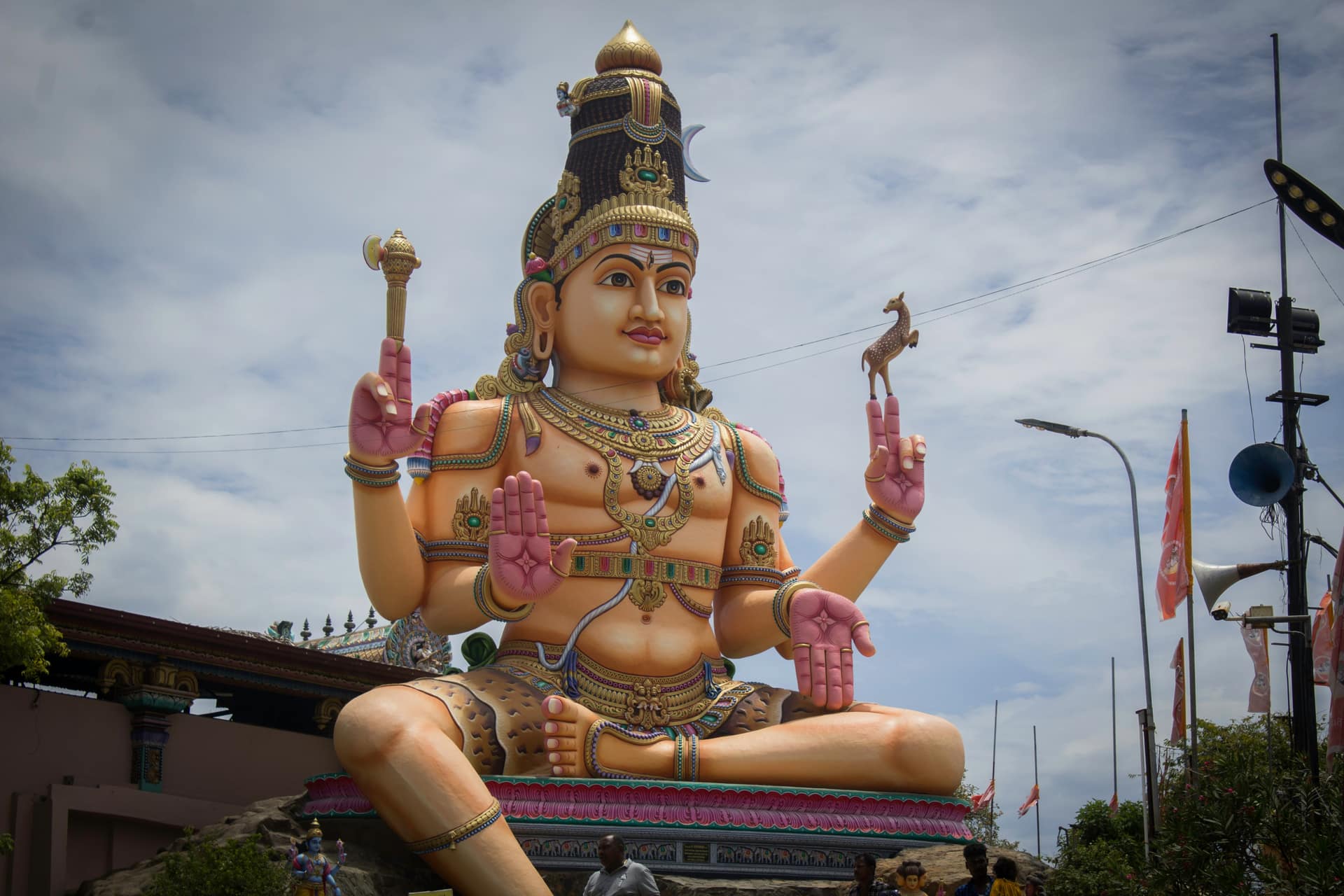
Trincomalee town itself is worth a short visit too, with the Koneswaram Temple on Swami Rock offering coastal views, and a noticeably quieter atmosphere than the more established south coast towns this itinerary visits later.
- →Trincomalee: a natural deep-water harbour on the north-east coast, best visited roughly May to September.
- →Pigeon Island: roughly 15 to 20 minutes by boat from Nilaveli, snorkelling with reef fish and occasional reef sharks.
- →This is opposite season to the south coast, so travelling outside May-September means calmer seas at one coast and rougher conditions at the other.
- →Snorkelling gear can usually be rented at the Nilaveli boat launch, though bringing your own mask is worth considering for fit and comfort.
The seasonal trade-off of combining two coasts
Sri Lanka's two monsoons run on opposite sides of the island, which is why most single-coast trips are timed around one season rather than the other. Combining Trincomalee and the south coast in the same 12-day trip means one of them will likely fall slightly outside its ideal window, though neither becomes unusable outside its peak months, particularly in the shoulder periods.
Travellers with flexible dates should lean toward visiting during the transitional months, roughly April or September to October, when conditions on both coasts are more moderate, rather than picking either coast's absolute peak season and accepting the other at its roughest.
Mid-April carries its own caveat regardless of coast, since the Sinhala and Tamil New Year closes many businesses and attractions for several days; travellers timing a shoulder-season trip around April should check the holiday dates for that specific year before booking.
The rest of the route: culture, hills, safari and south coast
From Trincomalee, the route rejoins the structure used in the 9 and 10-day itineraries in this series: Kandy for the Temple of the Tooth, Nuwara Eliya for tea country, Ella via the hill-country train, a night at Yala with two safari sessions, and a finish split across Mirissa, Galle Fort and a half day in Colombo. Nothing here is compressed to make room for the east coast; the extra two days are what pay for it.
This consistency is deliberate: a route through the Cultural Triangle, hills and a safari that already works well doesn't need reinventing just because the trip is longer. The additional length instead goes into keeping every leg of the journey unhurried, which is easy to lose sight of once a trip crosses ten or more days of driving and sightseeing.
- →Kandy: Temple of the Tooth and Peradeniya gardens, unchanged from the 9 and 10-day routes.
- →Nuwara Eliya and Ella: tea country and the hill-country train, positioned identically to the shorter itineraries.
- →Yala safari and south-coast finish: two safari sessions, then Mirissa, Galle Fort and a Colombo day.
Planning a 12-day trip
Twelve days is the length at which we start recommending a second coastline at Lankan Stays & Trails, and Trincomalee is our usual suggestion given its position on the route between the Cultural Triangle and Kandy, which avoids backtracking. It suits repeat visitors, divers and snorkellers, and anyone with the leave to see Sri Lanka properly rather than efficiently.
For most first-time Indian travellers, the 9 or 10-day itineraries in this series remain the more practical choice; this route is worth planning once those regions are already familiar or when the trip is intentionally built around going further. We book the Yala safari, hill-country train and Pigeon Island boat trips together for this route, since all three tighten up during Diwali, Christmas-New Year and summer holiday windows.
Frequently asked questions
Is 12 days enough in Sri Lanka for Indians?
Yes, and it's the length where a second coastline genuinely fits. Twelve days covers the Cultural Triangle, Trincomalee and Pigeon Island on the east coast, hill country, a Yala safari and the south coast without any single region feeling compressed.
What is the best 12-day Sri Lanka itinerary from India?
A route from Negombo through Sigiriya and Polonnaruwa, to Trincomalee and Pigeon Island on the east coast, then Kandy, Nuwara Eliya, Ella, a Yala safari, and a south-coast and Colombo finish, covers the widest range of regions in this series.
Should I visit both the east and south coasts of Sri Lanka in one trip?
It's possible and this route does it, but the two coasts have opposite monsoon seasons, so one will likely fall slightly outside its ideal window. Shoulder months, roughly April or September to October, offer the most balanced conditions for both.
What is Pigeon Island and how do you get there?
Pigeon Island National Park is a small marine park roughly a 15 to 20 minute boat ride from Nilaveli beach near Trincomalee, offering snorkelling among coral and reef fish, with occasional blacktip reef shark sightings outside monsoon swell.
Is 12 days too long for a Sri Lanka trip from India?
No, though it's more than most first-time Indian travellers need. Given the short flight and no jet lag, twelve days is comfortable rather than excessive, and suits repeat visitors or anyone wanting a genuinely wider tour of the island.
When is the best time for a 12-day trip covering Trincomalee and the south coast?
Roughly April or September to October offers the most balanced conditions across both coasts, since Trincomalee's high season runs May to September and the south coast's runs December to March, and these are opposite ends of the calendar.
Do Indians need a visa for a 12-day Sri Lanka trip?
Yes, trip length doesn't affect the requirement. Indian passport holders normally need an ETA or visa; confirm current requirements on the official Sri Lanka immigration portal before booking, since free-entry pilot scheme status is reviewed periodically.