
Quick answer
A Sri Lanka east coast itinerary for Canadian travellers typically runs 8 to 10 days, covering Trincomalee for snorkelling at Pigeon Island National Park and whale watching in season, then Arugam Bay for surf. The east coast's dry season runs roughly May to September, the reverse of the west and south coasts, which makes it the right regional choice for a Canadian summer trip rather than the winter window most other itineraries in this cluster assume.
Key takeaways
- The east coast's dry season runs roughly May to September, opposite the west and south coasts, making it the better choice for a Canadian trip outside the December to March window.
- Pigeon Island National Park, a short boat ride from Trincomalee, offers some of Sri Lanka's most accessible reef snorkelling.
- Trincomalee has a second whale-watching season, roughly May to October, distinct from Mirissa's November to April season on the south coast.
- Arugam Bay's main point break is considered one of Asia's best right-handers, generally suiting intermediate and advanced surfers.
- The east coast is considerably less developed for tourism than the south or west, with fewer large resorts and a more low-key overall atmosphere.
What a Sri Lanka east coast itinerary looks like
An east-coast itinerary covers Trincomalee in the north-east and Arugam Bay further south along the same coastline, both benefiting from the region's May to September dry season rather than the December to March window that governs the rest of the island's coastal planning. This makes the east coast the natural answer for a Canadian summer trip.
The region is considerably less developed for tourism than the south or west coast, with fewer large resorts and a quieter, more low-key atmosphere overall, which appeals to travellers who find the south coast's peak-season crowds off-putting.
A sample 9-day route
This sample covers both of the east coast's main towns.
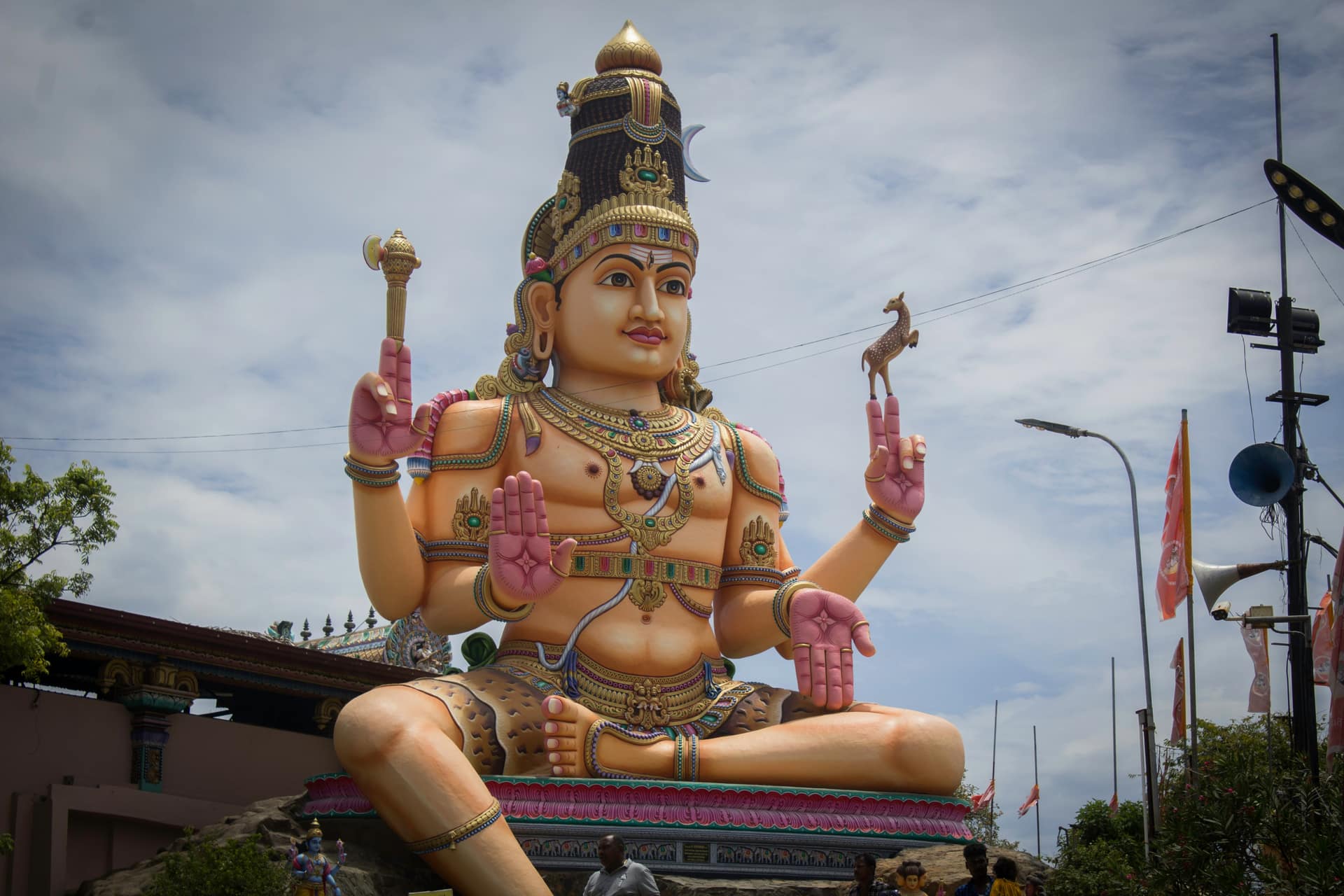
- →Days 1 to 4: Trincomalee, for snorkelling at Pigeon Island National Park, a whale-watching boat trip if dates fall within season, and Koneswaram Temple.
- →Days 5 to 9: Arugam Bay, reached by road along the coast or via a longer transfer, for surfing and the town's laid-back atmosphere.
The reversed season, explained
Sri Lanka's two monsoons sit on opposite sides of the island: the south-west monsoon affects the west and south coasts roughly May to September, while the north-east monsoon affects the east coast roughly October to January. This is why the east coast's dry season runs opposite to the more commonly cited December to March window most Canadian itineraries default to.
Travellers with fixed dates outside December to March should consider the east coast rather than forcing a west or south coast trip into the wrong season, since the east coast genuinely offers better weather during exactly the months the rest of the island is at its wettest.
Getting to and around the east coast
Trincomalee and Arugam Bay are both a longer transfer from Colombo than the south or west coast, generally four to seven hours by road depending on route and traffic; a private driver is the standard way to cover this distance comfortably. Domestic flights to Trincomalee are available seasonally and can meaningfully cut travel time for a shorter trip.
Tourism infrastructure, hotels, restaurants, guides, is less dense here than in the south, so booking accommodation and activities somewhat further ahead than a south-coast trip is a sensible precaution, particularly during the busiest weeks of the May to September season.
Planning your east coast itinerary
Trincomalee for snorkelling and whale watching, then Arugam Bay for surf, timed within the May to September dry season, is the framework for an east-coast trip that genuinely suits a Canadian summer travel window rather than fighting the wrong season.
Lankan Stays & Trails builds private, driver-guided east-coast itineraries for Canadian travellers, timed around the region's May to September season rather than the more commonly assumed winter window.
Frequently asked questions
When is the best time to visit Sri Lanka's east coast?
Roughly May to September, the region's dry season, which runs opposite to the west and south coasts' December to March window. It suits a Canadian summer trip better than the winter-focused itineraries common elsewhere in this cluster.
How many days should a Sri Lanka east coast itinerary be?
8 to 10 days is typical, covering both Trincomalee and Arugam Bay, though a shorter trip focused on just one of the two towns is also realistic given the region's more limited scope compared with the south coast.
Is Pigeon Island worth visiting from Trincomalee?
Yes. Pigeon Island National Park, a short boat ride from Trincomalee, offers some of Sri Lanka's most accessible reef snorkelling, with reasonably reliable visibility outside the wettest months.
Can you see whales from Trincomalee?
Yes, during a season roughly May to October, distinct from Mirissa's November to April season on the south coast, making Trincomalee a useful alternative for whale watching outside the main southern window.
Is Arugam Bay good for beginner surfers?
The main point break suits intermediate and advanced surfers better, though gentler sections of the bay do offer lessons for beginners.
How far is Trincomalee from Colombo?
Roughly four to seven hours by road depending on route and traffic, considerably longer than transfers to the south or west coast. Seasonal domestic flights can cut this travel time for a shorter trip.