
Quick answer
A Sri Lanka shoulder season itinerary for Canadian travellers typically runs 10 to 12 days across April or November, both transitional months between the west/south coast's December to March dry season and the east coast's May to September window. Weather during these months is genuinely mixed, brief afternoon showers are common but rarely last all day, and pricing and crowd levels are noticeably lower than either core season, making it a worthwhile trade-off for travellers with flexible dates or specific budget priorities.
Key takeaways
- April and November are Sri Lanka's shoulder months, transitional periods between the west/south coast dry season and the east coast's separate dry season.
- Weather is genuinely mixed during these months, with brief afternoon showers common but rarely persisting all day across an entire trip.
- Accommodation and tour pricing typically runs noticeably lower than either the December to March or May to September peak windows.
- Mid-April includes the Sinhala and Tamil New Year, which closes many businesses for several days and should be checked against travel dates specifically.
- A flexible itinerary, with backup indoor or covered options for outdoor days, handles the shoulder season's variability better than a tightly scheduled route.
What a Sri Lanka shoulder season itinerary looks like
A shoulder season itinerary follows a broadly standard route, Cultural Triangle, hill country, wildlife, coast, but is planned with more flexibility than a core dry-season trip, since April and November genuinely see mixed weather, brief afternoon showers most common, rather than the reliable sunshine of the December to March or May to September windows.
The trade-off for this weather uncertainty is meaningfully lower pricing and thinner crowds at major sites, which appeals to travellers prioritising value and space over guaranteed dry conditions every single day.
A sample 11-day route
This sample builds in flexibility around outdoor days, particularly useful in April or November.
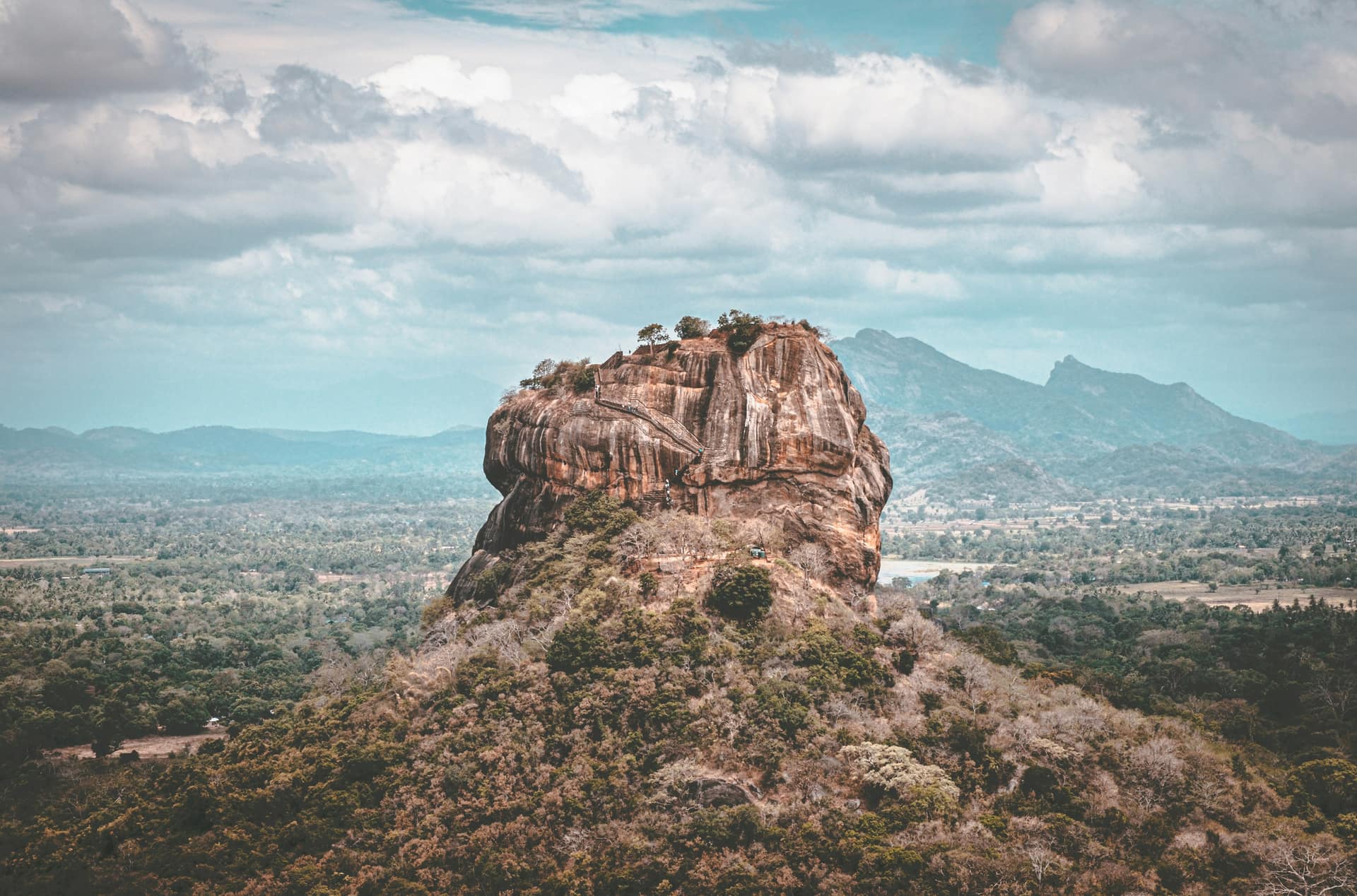
- →Days 1 to 3: Cultural Triangle (Sigiriya and Dambulla), with an early start to beat both crowds and any afternoon showers.
- →Days 4 to 6: hill country (Kandy and Ella), including the Kandy to Ella train, with an extra buffer day given the region's own separate rainfall pattern.
- →Days 7 to 8: a wildlife safari at Yala or Udawalawe.
- →Days 9 to 11: south or west coast (Bentota or Mirissa), checking recent conditions locally before finalising beach days.
What the shoulder season actually feels like
Showers during April and November are typically brief, often in the afternoon, and rarely persist for a full day across an entire trip; many travellers experience largely dry days with the occasional shorter interruption rather than sustained poor weather throughout. This is meaningfully different from the wetter core of either monsoon season and worth understanding before dismissing these months outright.
Mid-April specifically includes the Sinhala and Tamil New Year, a major holiday period that closes many businesses, including some restaurants and shops, for several days; travel dates falling within this window should be planned around it rather than assumed to run as normal.
Making the most of shoulder-season value
Accommodation and private driver rates typically run lower during April and November than either core season, and the best properties are considerably easier to book on shorter notice than during the December to March peak, giving more flexibility for last-minute planning.
Building backup indoor or covered activities into outdoor-heavy days, a museum alongside an outdoor market, a covered viewing area at a temple, handles the shoulder season's variability better than a tightly scheduled itinerary with no flexibility.
Planning your shoulder season itinerary
A standard multi-region route with extra flexibility built into outdoor-heavy days, checked against the mid-April Sinhala and Tamil New Year if travelling in that window, is the framework for making the shoulder season's lower prices and thinner crowds work well.
Lankan Stays & Trails builds private, driver-guided shoulder season itineraries for Canadian travellers, with built-in flexibility to adapt around the season's more variable weather.
Frequently asked questions
Is April or November a good time to visit Sri Lanka?
Yes, with the trade-off of more variable weather than the core dry seasons. Both months offer meaningfully lower prices and thinner crowds, with brief afternoon showers common but rarely persisting all day.
What is Sri Lanka's shoulder season?
April and November, the transitional months between the west and south coast's December to March dry season and the east coast's separate May to September dry season.
Is it worth visiting Sri Lanka in the shoulder season for the lower prices?
For travellers with flexible dates or specific budget priorities, yes. Accommodation and private driver rates typically run lower than either core peak season, in exchange for less certain weather.
Does it rain a lot in Sri Lanka in April and November?
Showers are common but typically brief, often in the afternoon, and rarely persist for a full day across an entire trip. Many travellers experience largely dry days with occasional shorter interruptions.
Does the Sinhala and Tamil New Year affect an April Sri Lanka trip?
Yes, for travel dates in mid-April specifically. The holiday closes many businesses, including some restaurants and shops, for several days, so it's worth checking against the exact travel dates.
How many days should a Sri Lanka shoulder season itinerary be?
10 to 12 days is typical, similar in length to a standard itinerary but built with more flexibility around outdoor-heavy days to handle the season's more variable weather.