
Quick answer
Daily life in Sri Lanka generally runs on a more flexible schedule than the UK: buses depart when reasonably full rather than strictly on time, restaurant food arrives in stages rather than together, and casual arrangements (a driver's pickup time, a shop's opening hours) have more give in them than a UK visitor would expect. It isn't disorganisation, it reflects a different cultural relationship with time. Building slack into your own schedule, rather than treating delays as problems to fix, makes the whole trip noticeably less stressful.
Key takeaways
- Public transport (buses especially) runs on a looser schedule than published timetables suggest.
- Restaurant meals often arrive in stages rather than simultaneously; this is normal, not a service failure.
- Casual time commitments (pickup times, opening hours) have more flexibility built in than UK equivalents.
- A private driver-guide, rather than public transport, gives UK travellers the most predictable schedule.
- Building 30-60 minutes of slack into any planned activity avoids most frustration around timing.
Public transport timing
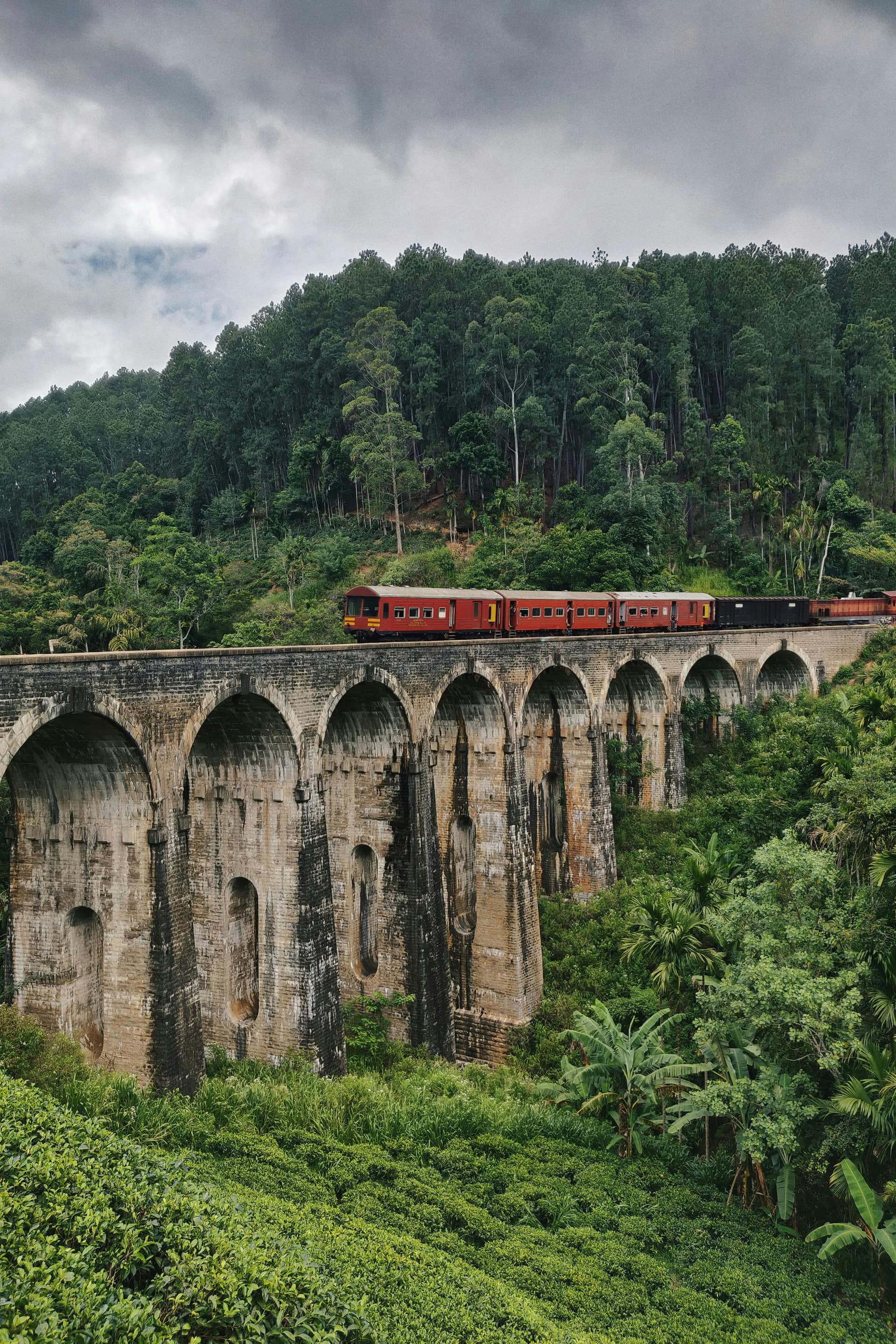
Sri Lankan buses, particularly on rural and intercity routes, often depart when reasonably full rather than strictly to a printed timetable, and journey times vary considerably with traffic and road conditions. Trains run closer to schedule but delays of twenty to thirty minutes are common and rarely explained.
UK visitors relying on public transport for a tightly connected itinerary (a train arrival timed to a same-day onward bus, for instance) should build in generous buffer time, or consider a private driver-guide for legs where timing genuinely matters.
- →Buses depart when reasonably full, not strictly to a printed timetable.
- →Train delays of 20-30 minutes are common, particularly on popular scenic routes.
- →Build generous buffer time around any transport connection that matters.
Restaurants and food timing
It's common for dishes to arrive separately rather than together, one person's curry well ahead of another's, which can feel like a service mistake to UK visitors used to coordinated table service. It's simply how many kitchens work, cooking to order rather than batching a table's dishes.
The easiest response is the local one: start eating what's arrived rather than waiting for everyone's plate, and treat the meal as unfolding over time rather than a single coordinated moment.
Casual arrangements and appointments
A driver's stated pickup time, a shop's posted opening hours, or an agreed meeting time often have more flexibility built in than the same commitment would in the UK; arriving fifteen or twenty minutes after an agreed time is rarely seen as rude, and being met with the same flexibility in return smooths the whole trip.
This is genuinely different from unreliability: appointments and commitments are generally honoured, just with a wider acceptable window than UK social norms assume.
- →A stated time often carries a 15-30 minute acceptable window either side.
- →This reflects flexibility, not unreliability; commitments are generally honoured.
- →Matching the same flexibility yourself, rather than insisting on UK-style punctuality, reduces friction.
When timing genuinely does matter
Some things are worth protecting from this flexibility: flight connections, a booked safari game drive (which has a real window for good animal activity), and any activity with a hard external deadline. For these, build in generous buffer time and, where possible, use a private driver-guide rather than public transport or informal arrangements.
A driver-guide effectively absorbs this cultural flexibility on your behalf, giving UK travellers a schedule that runs closer to what they'd expect, while everything around it continues at its own pace.
Travelling with it, not against it
The travellers who enjoy Sri Lanka most tend to be the ones who stop checking their watch by day three. A flexible mindset, paired with a driver-guide for the parts of the trip where timing genuinely matters, is a far less stressful approach than trying to impose a UK-paced schedule on the whole trip.
Lankan Stays & Trails builds itineraries with realistic buffer time between activities, so a delayed transfer or a slow lunch doesn't derail the rest of the day.
Frequently asked questions
Why is everything late in Sri Lanka?
It reflects a more flexible cultural relationship with time rather than genuine unreliability. Buses depart when reasonably full, meals arrive in stages, and casual arrangements carry more give than UK visitors are used to, but commitments are generally still honoured.
Are Sri Lankan buses reliable?
They run, but not strictly to printed timetables; buses on rural and intercity routes often depart when reasonably full rather than at a fixed time. Trains are closer to schedule, though delays of twenty to thirty minutes are common.
Why does restaurant food arrive separately in Sri Lanka?
Many kitchens cook to order rather than coordinating a whole table's dishes to arrive together, so one person's meal may arrive well before another's. It's normal practice, not a service issue.
Should I use public transport or a driver in Sri Lanka?
For flexibility and cost, public transport works, but for predictable timing, particularly around flights or timed activities like a safari game drive, a private driver-guide is the more reliable option.
How much buffer time should I build into a Sri Lanka itinerary?
Thirty to sixty minutes around any activity with real timing stakes (a flight, a booked safari slot) is a sensible minimum, given how loosely casual schedules run compared with the UK.
Is 'Sri Lankan time' disrespectful to point out?
It's a phrase used locally, often with a smile, to describe the island's relaxed relationship with punctuality, and isn't generally considered offensive. Matching the same relaxed approach yourself is usually appreciated more than insisting on strict timekeeping.