
Quick answer
Sri Lanka suits Turkish travellers well because Turkish Airlines flies non-stop from Istanbul to Colombo in roughly nine to ten hours, the shortest route to the island among its main international markets, and Sri Lanka sits only around two and a half hours ahead of Turkish time, so jet lag is minor. A trip can combine the Cultural Triangle, Kandy's hill country and the Kandy-Ella train, a wildlife safari with a realistic chance of a leopard sighting, and a coast matched to the season, since Sri Lanka's two monsoons mean a dry coast is available whichever month suits a Turkish traveller's schedule. Roughly ten to fourteen days is the comfortable range for a first trip.
Key takeaways
- Turkish Airlines flies non-stop Istanbul to Colombo in roughly nine to ten hours, unlike the layover every other major international market to Sri Lanka requires.
- Sri Lanka sits roughly 2.5 hours ahead of Turkey, so jet lag is minimal compared with a typical long-haul trip.
- Sri Lanka covers roughly 65,600 square kilometres, compact enough to fit the Cultural Triangle, hill country, a safari and a coast into one trip.
- Turkish citizens need an Electronic Travel Authorisation (ETA) applied for online before departure, not a visa stamped at a consulate.
- Sri Lanka's two monsoon systems mean the south and west coast suit Turkish winter travel (roughly December to February) while the east coast suits Turkish summer holidays (roughly June to September).
Why Sri Lanka suits Turkish travellers
Sri Lanka answers a specific gap for Turkish travellers weighing a long-haul sun-and-culture trip: a non-stop flight, a genuinely small time difference, and an island compact enough to fit ancient cities, tea-country hills, a wildlife safari and a beach into one visit. Turkish Airlines flies direct from Istanbul to Colombo in roughly nine to ten hours, shorter and simpler than the routing most other international markets face to reach the island.
The appeal goes beyond the flight itself. Sri Lanka sits roughly two and a half hours ahead of Turkish time, so jet lag is close to a non-issue compared with a genuine long-haul journey east or west, and the island's two separate monsoon systems mean a dry, sunny coast is almost always available somewhere, whichever month suits a Turkish traveller's own school or work calendar.
For travellers used to weighing Sri Lanka against the Maldives, Zanzibar, Bali, Thailand or Mauritius, the difference is depth: Sri Lanka offers cultural sites, wildlife and hill country alongside the beach rather than a beach-only resort stay, generally at a lower daily cost than the Maldives specifically.
- →Non-stop Istanbul-Colombo flight on Turkish Airlines, roughly nine to ten hours, no layover required.
- →Roughly 2.5 hours ahead of Turkish time, so jet lag is minimal on both legs.
- →Sri Lanka covers roughly 65,600 square kilometres, compact enough for culture, hills, wildlife and coast in one trip.
- →Generally a lower daily cost than the Maldives, with far more variety of experience on offer.
Getting to Sri Lanka from Turkey
Getting to Sri Lanka from Turkey is most straightforward from Istanbul, where Turkish Airlines operates a non-stop service to Bandaranaike International Airport near Colombo, taking roughly nine to ten hours. This is the standout advantage Turkish travellers have over most other international markets flying to Sri Lanka, nearly all of whom need at least one connection.
Travellers flying from Ankara or Izmir generally connect through Istanbul first, adding a domestic or short regional leg before the long-haul sector, so it is worth building a reasonable connection window into the itinerary rather than the tightest available transfer. Given the direct sector itself is comfortably under half a typical long-haul flight, the total door-to-door time from Ankara or Izmir still compares favourably with the layovers other markets have to plan around.
- →Istanbul (IST) to Colombo (CMB): non-stop on Turkish Airlines, roughly nine to ten hours.
- →Ankara and Izmir travellers connect through Istanbul before the long-haul sector.
- →Book the return leg with a sensible buffer at Istanbul if connecting onward domestically.
When to go: matching the season to Turkish holiday windows
When to visit Sri Lanka depends on which of the island's two coasts a Turkish traveller wants, since the south-west and north-east monsoons sit on opposite sides of the island and rarely coincide. Turkish winter, roughly December to February, is the strongest match for the south and west coasts, hill country and Cultural Triangle, all at their driest during exactly that window.
Turkish school summer holidays, roughly June to September, line up well with the east coast instead, around Trincomalee, Nilaveli and Arugam Bay, which comes into its own dry season during those months while the south-west is at its wettest. This two-monsoon structure means there is genuinely no bad month to travel from Turkey, only a different coast to plan the route around.
- →Turkish winter (roughly December to February): south and west coasts, hill country and Cultural Triangle at their driest.
- →Turkish summer holidays (roughly June to September): east coast, including Trincomalee and Arugam Bay, in season.
- →Mid-April: the Sinhala and Tamil New Year closes many businesses for several days; plan around it.
What a Sri Lanka trip covers: the main regions
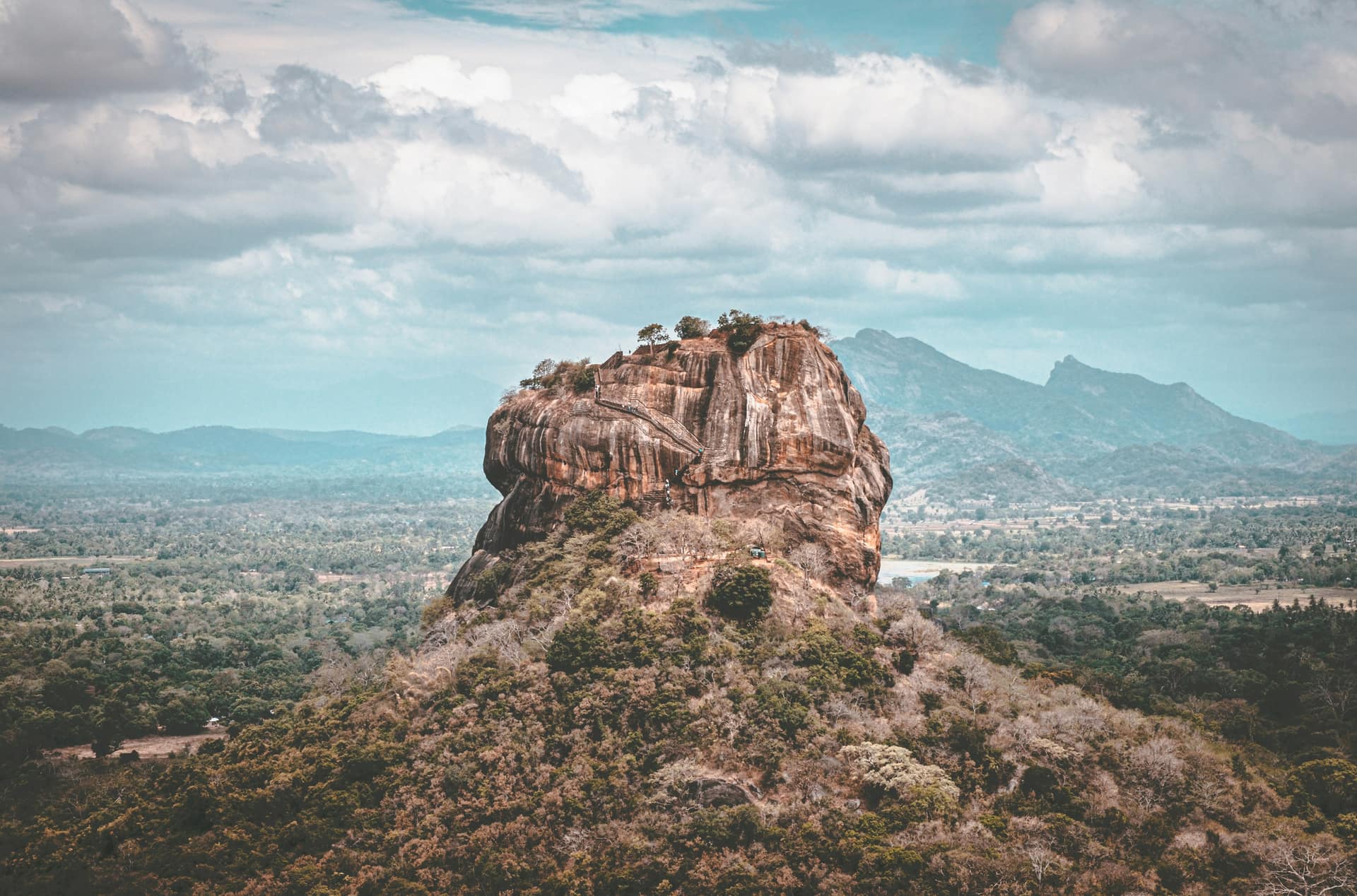
A Sri Lanka trip for a Turkish traveller typically moves through four kinds of place: the Cultural Triangle, hill country, a wildlife safari, and a coast. The Cultural Triangle centres on Sigiriya Rock and the cave temples of Dambulla, roughly the island's ancient core, with Polonnaruwa and Anuradhapura available for travellers with more time.
Kandy and the hill country around Ella or Nuwara Eliya add the Temple of the Tooth and the Kandy-Ella scenic train through tea estates, widely considered one of the more memorable rail journeys anywhere. Yala or Udawalawe national parks give a realistic chance of a leopard or elephant sighting on safari, and a coast, south, west or east depending on season, rounds out the trip.
- →Cultural Triangle: Sigiriya Rock and Dambulla's cave temples, with Polonnaruwa or Anuradhapura for deeper history.
- →Kandy and hill country: the Temple of the Tooth, tea estates, and the Kandy-Ella train.
- →Wildlife safari: Yala for stronger leopard odds, Udawalawe for reliable elephant herds.
- →Coast: south/west December to February, east June to September.
Budget snapshot and halal food
Sri Lanka tour and hotel pricing from local operators, including Lankan Stays & Trails, is commonly quoted in USD, which gives a stable reference point for Turkish travellers even as the Turkish lira figure moves with the exchange rate day to day. Day-to-day costs, tuk-tuks, meals and local transport, are generally inexpensive relative to Turkish city prices, though the flight itself is usually the largest single line item.
Halal food is genuinely findable across the island's main tourist areas, particularly in Colombo, Kandy and coastal towns with an established Muslim community, though it is worth confirming with a specific restaurant or hotel rather than assuming availability everywhere, and a private driver-guide can route meals accordingly.
- →Tour and hotel pricing is commonly quoted in USD; treat any TRY figure as a rough, exchange-rate-dependent conversion.
- →Day-to-day costs are generally inexpensive relative to Turkish prices; the flight is usually the largest single expense.
- →Halal food is available in Colombo, Kandy and many coastal towns; confirm with specific venues ahead of time.
Entry requirements: the ETA for Turkish citizens
Turkish citizens need an Electronic Travel Authorisation (ETA) to enter Sri Lanka for tourism, not a visa stamped at a consulate. It is applied for online before departure through the official Sri Lankan government immigration portal, and processing is usually straightforward, though it is worth applying with some buffer rather than at the last minute.
Fees and the exact process can change, so confirm the current cost and steps directly on the official portal close to travel dates rather than relying on an older figure or a third-party site charging a mark-up. Carry a saved or printed copy of the approval and a passport valid for at least six months beyond the travel dates.
- →ETA required for Turkish citizens; apply online through the official government portal only.
- →Confirm the current fee and processing time close to your travel dates.
- →Passport should be valid for at least six months from the date of travel.
Planning your trip
The most useful starting point for a Turkish traveller is to pick the season first, since it decides which coast fits the route, then size the trip length to the level of depth wanted rather than a fixed number of days. Roughly ten to fourteen days, covering the Cultural Triangle, hill country and a safari alongside one coast, suits most first-time visitors from Turkey well.
Lankan Stays & Trails builds private, driver-guided itineraries for Turkish travellers, timed around the direct Istanbul-Colombo flight and paced around whichever coast is genuinely in season for the chosen dates.
Frequently asked questions
Is there a direct flight from Turkey to Sri Lanka?
Yes. Turkish Airlines flies non-stop from Istanbul to Colombo, taking roughly nine to ten hours. It is the only major non-stop route to Sri Lanka among the island's core international markets, most of which require at least one connection.
Do Turkish citizens need a visa for Sri Lanka?
Turkish citizens need an Electronic Travel Authorisation (ETA), not a traditional visa. It is applied for online before travel through the official Department of Immigration and Emigration portal. Confirm the current fee and process shortly before flying, as details can change.
How many days should a Turkish traveller spend in Sri Lanka?
Roughly ten to fourteen days is the comfortable range, covering the Cultural Triangle, hill country, a wildlife safari and one coast. The dedicated duration guide breaks this down further by trip type and available time.
What is the best time to visit Sri Lanka from Turkey?
It depends on the coast. Turkish winter, roughly December to February, suits the south and west coasts, hill country and Cultural Triangle. Turkish summer holidays, roughly June to September, suit the east coast around Trincomalee and Arugam Bay instead.
Is Sri Lanka cheaper than the Maldives for Turkish travellers?
Generally yes on a day-to-day basis, and Sri Lanka offers far more variety, culture, wildlife and hill country alongside the beach, rather than a beach-only resort stay. Flight cost and duration from Istanbul are broadly comparable between the two destinations.
Is there a big jet lag adjustment from Turkey to Sri Lanka?
No. Sri Lanka sits roughly two and a half hours ahead of Turkish time, so the adjustment is minor compared with a genuine long-haul journey. Most Turkish travellers notice little to no jet lag on either leg of the trip.
Is halal food easy to find in Sri Lanka?
Yes, particularly in Colombo, Kandy and coastal towns with an established Muslim community. It is still worth confirming with specific restaurants or hotels ahead of time rather than assuming availability everywhere, especially in smaller towns off the main tourist routes.