
Quick answer
Sri Lanka offers considerably more photographic variety than the Maldives for Turkish travellers, spanning ancient rock fortresses like Sigiriya, tea-covered hill country, leopard and elephant safaris, scenic train journeys and street markets, all within one trip. The Maldives offers a narrower range centred on turquoise lagoons, overwater villa architecture, sunsets and reef life, best captured through snorkelling or diving. Photographers wanting subject diversity should choose Sri Lanka; those wanting a concentrated, visually consistent water-and-luxury aesthetic should choose the Maldives.
Key takeaways
- Sri Lanka's photography subjects span ancient sites like Sigiriya and Polonnaruwa, tea plantations in the hill country, leopard and elephant safaris, and coastal scenes.
- The Kandy to Ella train journey through tea country is a widely photographed scenic rail route, particularly around the Nine Arches Bridge near Ella.
- The Maldives' photographic identity centres on turquoise lagoons, overwater villa architecture and reef or underwater life, a narrower but highly consistent visual subject range.
- Drone use in Sri Lanka is subject to local regulations that vary by site and should be checked before flying, particularly near ancient monuments and protected areas.
- Many Maldives resorts restrict or ban drone use entirely for guest privacy, so drone photographers should confirm the specific resort's current policy before booking.
Subject variety versus visual consistency
Sri Lanka rewards a photographer who wants variety within a single trip. A week or two of touring can move from the sheer rock face of Sigiriya to a leopard in golden light at Yala, from a train crossing the Nine Arches Bridge near Ella to the ochre stupas of Anuradhapura, with a market scene or a fishing boat somewhere in between. Almost no other single-country itinerary offers that range of subject matter in such a compressed timeframe.
The Maldives rewards a photographer chasing a specific, consistent aesthetic: the graduated blues of a lagoon, the geometric lines of an overwater villa, a sunset over open water, and, for those who dive or snorkel, reef and pelagic marine life. It is a narrower subject range, but within that range the results are consistently striking and instantly recognisable.
- →Sri Lanka: ruins, hill country, wildlife, trains, markets, coastline, portraits of daily life.
- →Maldives: turquoise lagoons, overwater architecture, sunsets, reef and underwater subjects.
- →Sri Lanka rewards a varied portfolio; the Maldives rewards a focused, single-aesthetic portfolio.
Sri Lanka's photography highlights
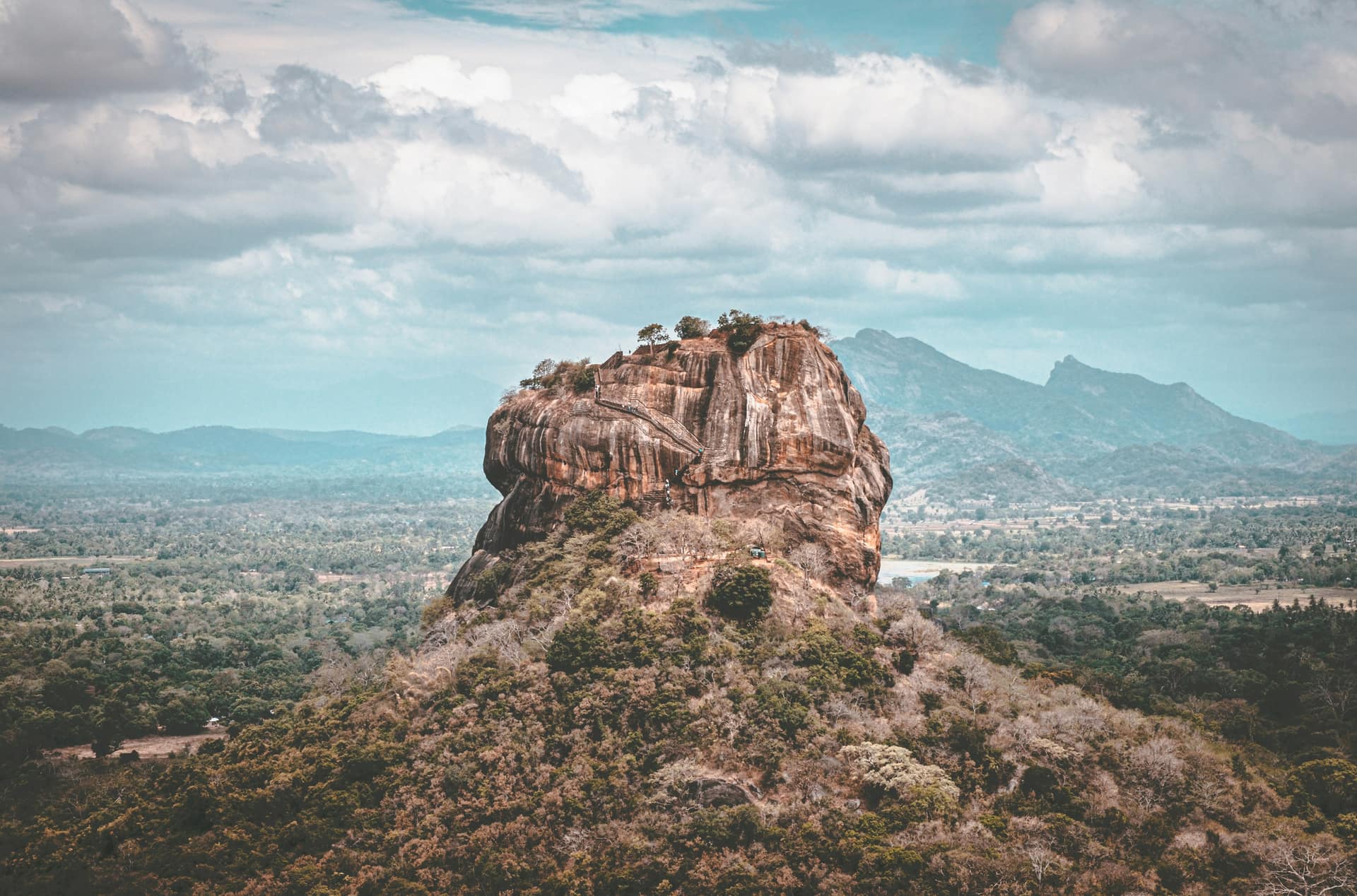
Sigiriya's rock fortress, rising abruptly from flat jungle, is one of the region's most photographed sites, particularly at sunrise or sunset when the light rakes across the rock face. Yala and Udawalawe national parks offer wildlife photography opportunities including leopards, elephants and a wide range of birdlife, generally shot from an open safari jeep.
The hill country around Ella and Nuwara Eliya adds tea-covered slopes, waterfalls and misty mountain views, while the train journey between Kandy and Ella, particularly the stretch crossing the Nine Arches Bridge, is one of the most widely shared images from any Sri Lanka trip. Markets, temples and Galle Fort's colonial streets round out a portfolio with genuine range in colour, texture and subject.
- →Sigiriya: dramatic rock fortress, strongest light at sunrise or sunset.
- →Yala and Udawalawe: leopard, elephant and bird photography from a safari jeep.
- →Nine Arches Bridge near Ella: a widely photographed train and tea-country scene.
- →Galle Fort and local markets: colonial architecture and street-level portraits of daily life.
The Maldives' photography highlights
The Maldives' overwater villas, with their distinctive stilted architecture set against graduated lagoon colours, are among the most photographed hotel typologies in the world, and most resorts are well aware of this, designing specific photogenic spots into the property. Sunset and sunrise light over open water is reliably dramatic given the flat horizon and minimal land interference.
Underwater and reef photography is the other major draw, with manta rays, whale sharks in season, and colourful reef fish giving snorkellers and divers with waterproof camera housings a genuinely different subject range from anything on land. This does, however, require appropriate equipment and, ideally, some underwater photography experience to get strong results.
Drone photography in each destination
Sri Lanka has drone regulations that can vary by location, particularly around ancient monuments, military areas and national parks, so travellers planning to fly a drone should check current local rules and any required permits before their trip, ideally through their tour operator or the relevant local authority. Rules can change, so this should not be assumed from prior visits or general online advice alone.
Many Maldives resorts restrict or outright ban drone use on their property, largely to protect other guests' privacy given how close overwater villas sit to one another. Travellers hoping to fly a drone in the Maldives should check the specific resort's current policy directly before booking, since this varies considerably from property to property and can change without much notice.
- →Sri Lanka: check current drone regulations and permits before flying, especially near monuments and parks.
- →Maldives: many resorts restrict or ban drones for guest privacy; confirm the specific resort's policy first.
- →Neither destination's drone rules should be assumed unchanged from a previous trip or a general online source.
Planning a photography-focused trip
A photography-focused Sri Lanka itinerary benefits from building in flexibility around golden hour, an early start at Sigiriya, a late-afternoon safari drive, and time to wait for the right light at the Nine Arches Bridge rather than rushing through on a fixed schedule. Lankan Stays & Trails builds private, driver-guided Sri Lanka itineraries for Turkish travellers that can accommodate this kind of pacing, since a shared group tour rarely allows for it.
A Maldives trip aimed at strong photography benefits from choosing a resort with a house reef close to shore for easier underwater access, and from checking sunset orientation, since not every villa or beach faces the right direction for the classic Maldives sunset shot.
Frequently asked questions
Is Sri Lanka or the Maldives better for photography?
Sri Lanka offers considerably more subject variety, ruins, wildlife, hill country, trains and markets, within a single trip. The Maldives offers a narrower but very striking range centred on turquoise water and overwater architecture. The better choice depends on whether variety or consistency matters more to the photographer.
Can you fly a drone in Sri Lanka?
Drone use is regulated in Sri Lanka and rules can vary by location, particularly near ancient monuments, military areas and national parks. Travellers should check current regulations and any required permits before their trip rather than assuming rules from a previous visit still apply.
Do Maldives resorts allow drones?
It varies by resort, and many restrict or ban drone use on their property, largely for guest privacy given how close villas sit to one another. Travellers planning to bring a drone should confirm the specific resort's current policy before booking.
What is the best time of day to photograph Sigiriya?
Sunrise or late afternoon generally give the strongest light on Sigiriya's rock face, with softer, more directional light than the midday sun. An early start also avoids the heaviest crowds on the climb, giving cleaner shots at the summit and along the frescoes.
Do you need diving skills for good Maldives underwater photography?
Not necessarily, snorkelling with a waterproof camera housing can produce strong reef and shallow marine life shots, particularly around a resort's house reef. Diving opens up more subjects, such as deeper reef structures, but requires certification and appropriate underwater camera equipment.
What is the Nine Arches Bridge and why is it popular with photographers?
The Nine Arches Bridge is a colonial-era railway viaduct near Ella, set among tea plantations, and is one of the most photographed points on the Kandy to Ella train route. Trains crossing the bridge against the surrounding green hills make it a popular sunrise and sunset shooting spot.
Is wildlife photography possible in the Maldives?
Land-based wildlife photography is not available in the Maldives, since it has no safari parks or comparable land fauna. Its wildlife photography opportunities are marine, focused on reef fish, manta rays and, in season, whale sharks, accessed by snorkelling or diving.