
Quick answer
Sri Lanka's two monsoon systems mean the south-west (affecting the south and west coasts, roughly May to September) and north-east (affecting the east and north, roughly October to January) rarely disrupt the whole island at once, so a warm, dry coast and a viable wildlife window are usually available somewhere year-round. December to March suits the south coast and most safari parks alongside Swiss Sportferien and Christmas holidays; May to September suits the east coast and the Minneriya elephant Gathering alongside the Swiss summer break.
Key takeaways
- Sri Lanka's south-west monsoon, roughly May to September, mainly affects the south and west coasts, while the north-east monsoon, roughly October to January, mainly affects the east and north.
- December to March is generally the strongest window for the south and west coasts and most of the island's safari parks, and it overlaps with Swiss Sportferien and the Christmas school break.
- May to September suits the east coast, including Trincomalee and Pigeon Island, and covers the Minneriya-Kaudulla elephant Gathering season, usefully overlapping with the Swiss summer school holidays.
- The hill country runs its own cooler microclimate largely independent of the coastal monsoon pattern, generally pleasant year-round though wetter roughly May to September.
- Because of this two-monsoon pattern, a nature-focused trip can be built around almost any point in the Swiss school calendar by choosing the coast and parks that suit that specific window.
The core logic: two monsoons, not one
Sri Lanka's climate is shaped by two separate monsoon systems rather than a single wet season affecting the whole island: the south-west monsoon, roughly May to September, mainly affects the south and west coasts, while the north-east monsoon, roughly October to January, mainly affects the east and north.
This is the single most useful planning fact for a nature-focused trip, since it means a warm, dry coast and reasonable wildlife-viewing conditions are usually available somewhere on the island regardless of when in the year a Swiss traveller is free to go.
December to March: the south and west coast peak
This window is generally the strongest for the south and west coasts and for most of the island's dry-zone safari parks, including Yala, which is often at its best for leopard sightings toward the drier end of this stretch and into the following months.
It also overlaps directly with Swiss Sportferien, roughly late January to February, and the Christmas and New Year school break, making it the natural default choice for many Swiss families, though also the island's peak season for booking lead time and rate.
May to September: the east coast and the Gathering
As the south-west monsoon settles over the south and west coasts, the east coast, including Trincomalee and Pigeon Island, turns into its own dry season, offering calm seas and clear water for snorkelling during exactly the months the south-west is less favourable.
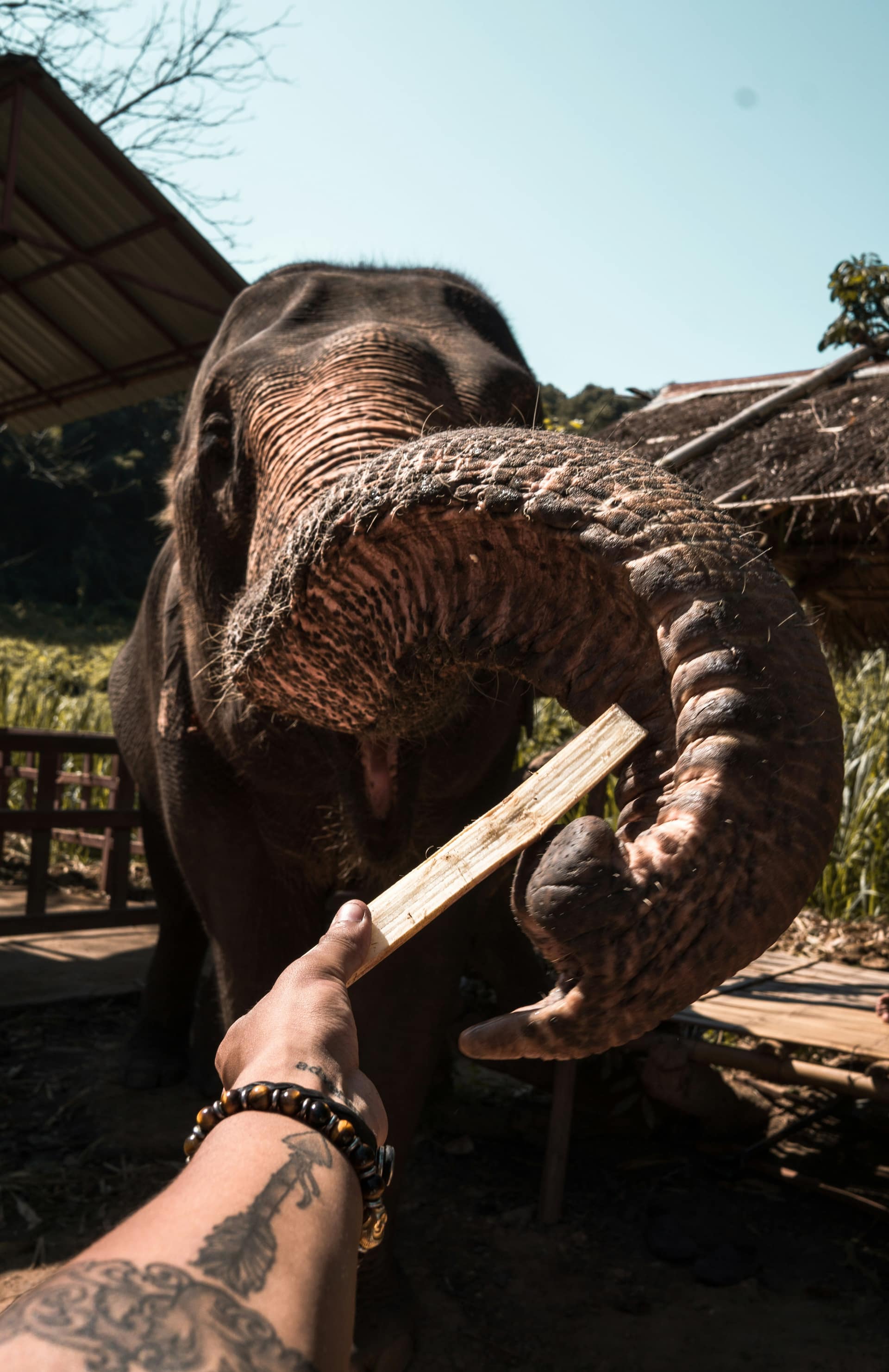
This window also covers the Minneriya-Kaudulla elephant Gathering, typically peaking roughly July to September, and overlaps usefully with the Swiss summer school holiday period, early July to mid-August, varying by canton.
- →South/west coast and most safari parks: strongest roughly December to March.
- →East coast (Trincomalee, Pigeon Island) and the elephant Gathering: strongest roughly May to September.
- →Hill country: its own cooler microclimate, generally pleasant year-round, wetter roughly May to September.
The shoulder months: October, November and April
October and November mark the transition as the north-east monsoon begins affecting the east and north, while the south and west coasts start drying out again, a genuine shoulder period with more variable conditions across the island.
April sits between the two peak windows, generally still workable on the south and west coasts before the south-west monsoon fully sets in, though conditions become increasingly changeable toward the month's end.
Matching the calendar to Swiss school and holiday windows
For a Christmas, New Year or Sportferien trip, the south coast, hill country and most safari parks are the natural choice, timed directly to Sri Lanka's own peak season.
For a summer school holiday trip, the east coast and the Minneriya-Kaudulla Gathering offer a genuine, well-timed alternative unavailable during the winter months, worth considering specifically for families constrained to the July-August window.
Frequently asked questions
Does Sri Lanka have one monsoon season or two?
Two. The south-west monsoon, roughly May to September, mainly affects the south and west coasts, while the north-east monsoon, roughly October to January, mainly affects the east and north.
When is the best time to visit Sri Lanka for wildlife?
December to March is generally strongest for most dry-zone safari parks and the south coast, while May to September suits the Minneriya-Kaudulla elephant Gathering and the east coast instead.
Can I visit Sri Lanka during the Swiss summer holidays?
Yes. The east coast, including Trincomalee and Pigeon Island, is in its own dry season roughly May to September, and this window also covers the Minneriya elephant Gathering, making it a genuine alternative to the December to March peak.
Is the hill country affected by the monsoons?
The hill country runs its own cooler microclimate largely independent of the coastal monsoon pattern, generally pleasant year-round, though somewhat wetter roughly May to September.
What are the shoulder months for visiting Sri Lanka?
October and November mark the transition as the north-east monsoon begins, while April sits between the two peak windows; both are more variable but often still workable with flexible planning.
Is December to March always the best time to visit Sri Lanka?
It is the strongest window for the south and west coasts and most safari parks, but not universally best, since the east coast and the elephant Gathering are actually better suited to the opposite season, roughly May to September.
Does Lankan Stays & Trails plan trips around this two-monsoon pattern?
Yes. We match the region and season of a nature-focused itinerary to a traveller's actual available dates, using the two-monsoon pattern to find a genuinely good window rather than defaulting only to December to March.