
Quick answer
Several stops on the 10-day Sri Lanka itinerary carry a separate entry cost: Sigiriya Rock, Dambulla's cave temples, Polonnaruwa's ancient city, the Yala National Park safari (jeep hire plus park entry), and reserved seats on the Nanu Oya-to-Ella scenic train. Foreign-visitor pricing at Sigiriya and the national parks is set considerably higher than the local resident rate, a standard and long-standing practice at Sri Lankan heritage and wildlife sites, so it is worth budgeting for these as a distinct line item rather than assuming they are minor.
Key takeaways
- Sigiriya, Dambulla and Polonnaruwa each carry separate foreign-visitor entry tickets, priced considerably higher than the local resident rate.
- The Yala safari costs include both jeep hire, generally split across the group in the vehicle, and a separate park entry fee.
- Reserved second-class seats on the Nanu Oya-to-Ella train cost modestly more than unreserved seating but are worth it for guaranteed comfort.
- Foreign-visitor pricing at Sri Lankan heritage and wildlife sites is a long-standing, universal practice, not specific to Turkish or any other nationality.
- Booking entry tickets and the safari jeep through a driver-guide in advance avoids queuing at the gate, particularly useful during peak season.
Cultural Triangle entry tickets
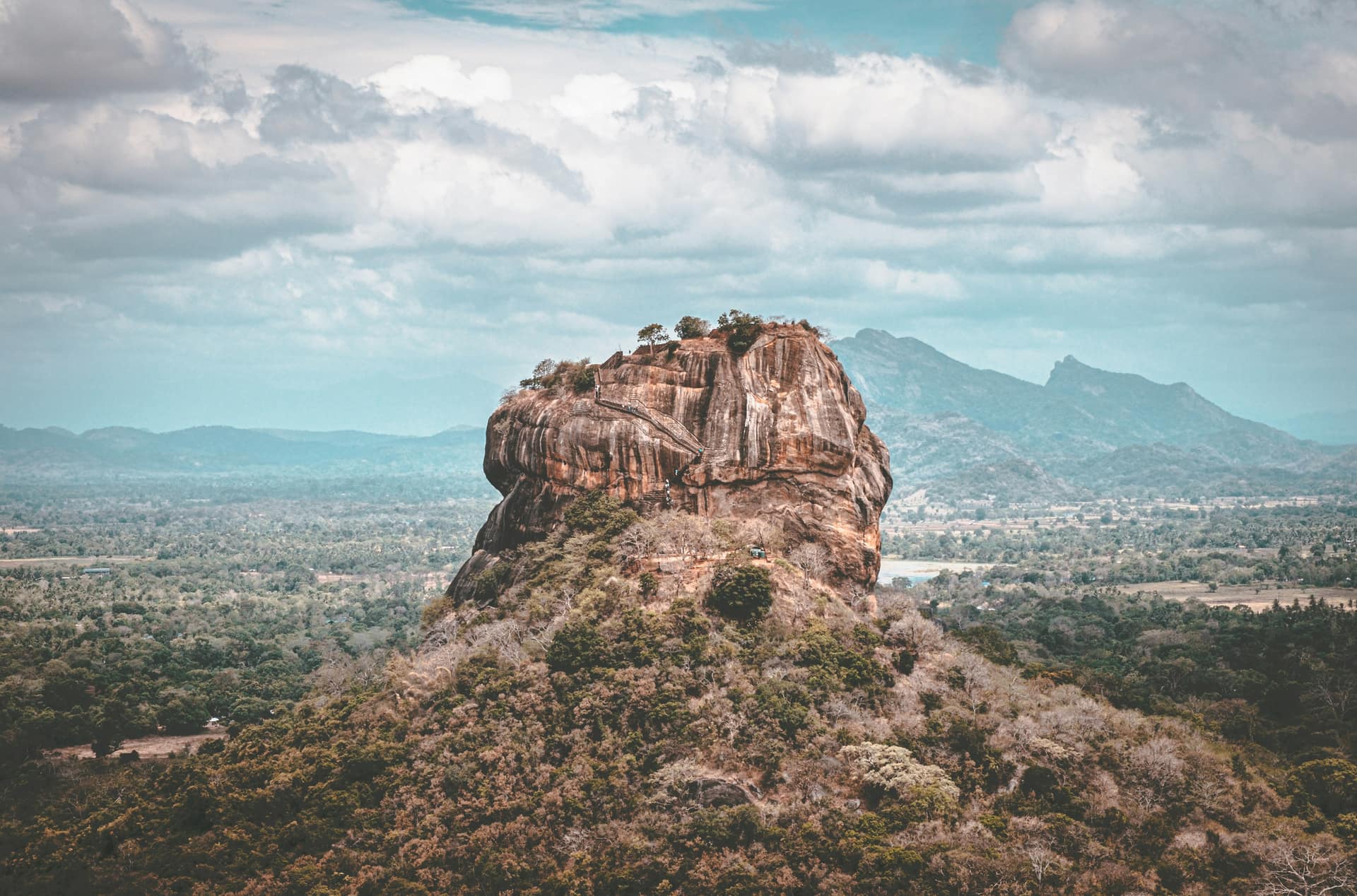
Sigiriya Rock, Dambulla's cave temples and Polonnaruwa's ancient city each carry a separate foreign-visitor entry ticket, and all three are worth budgeting for individually rather than assuming one covers the others, since they are managed as distinct sites.
Sigiriya's ticket is generally the highest of the three given its status as the Cultural Triangle's headline attraction, while Dambulla and Polonnaruwa are each individually more modest, together still forming a meaningful total across the three-night Cultural Triangle stay.
- →Sigiriya Rock: the highest single entry fee on this leg of the route, reflecting its headline status.
- →Dambulla cave temples: a more modest separate entry fee.
- →Polonnaruwa ancient city: a separate entry fee, generally similar to or slightly below Dambulla's.
Yala safari costs
A Yala safari involves two cost components: jeep hire, generally split across the four to six travellers sharing the vehicle, and a separate national park entry fee charged per person.
Booking the safari through a driver-guide or established operator in advance is the standard approach, and it generally works out more straightforward and often more cost-efficient than arranging a jeep independently at the park gate on the day.
The scenic train tickets
Reserved second-class seats on the Nanu Oya-to-Ella train cost modestly more than unreserved third-class seating, but the difference is well worth it for guaranteed comfort on a journey that is popular enough to fill unreserved carriages quickly.
These tickets should be booked well ahead of travel, ideally when the overall itinerary is first confirmed, since availability tightens considerably during December-to-February and June-to-September peak periods.
Why foreign-visitor pricing applies
Charging foreign visitors a higher rate than local residents at heritage sites and national parks is a long-standing, universal practice across Sri Lanka, not something applied specifically to Turkish or any other single nationality, and it broadly mirrors similar dual-pricing systems at major sites in several other countries.
The revenue from these fees contributes directly to the conservation and maintenance of the sites themselves, worth keeping in mind when the fee feels higher than initially expected.
Budgeting and booking these tickets
Treating entry fees, safari costs and train tickets as one combined line item, rather than an afterthought squeezed in around accommodation and meals, gives a more realistic total budget for the trip.
Lankan Stays & Trails typically arranges Sigiriya, Dambulla and Polonnaruwa entry, the Yala safari jeep and park entry, and reserved train seats as part of the full itinerary booking, removing the need to queue or book separately at each site.
Frequently asked questions
How much does it cost to enter Sigiriya Rock?
Sigiriya carries the highest single entry fee among the Cultural Triangle sites on this route, reflecting its status as the region's headline attraction, priced separately from Dambulla and Polonnaruwa's own entry tickets.
How much does a Yala safari cost?
A Yala safari involves two components: jeep hire, generally split across the travellers sharing the vehicle, and a separate national park entry fee charged per person, both best booked in advance through a driver-guide or established operator.
Do you need to pay extra for a reserved seat on the Ella train?
Yes, reserved second-class seats cost modestly more than unreserved seating, but are worth booking well in advance given how popular and quickly filled the Nanu Oya-to-Ella route becomes, particularly in peak season.
Why do foreigners pay more than locals at Sri Lankan attractions?
Dual pricing for foreign visitors versus local residents is a long-standing, universal practice at Sri Lankan heritage sites and national parks, not specific to any single nationality, and broadly similar systems exist at major sites in several other countries.
Should you book entry tickets in advance for Sri Lanka's Cultural Triangle?
It is worth arranging through a driver-guide or operator in advance where possible, avoiding queuing at the gate, particularly useful during the December-to-February and June-to-September peak travel periods.
Is Dambulla or Polonnaruwa more expensive to enter?
The two are generally similarly priced and both individually more modest than Sigiriya's entry fee, though it is worth confirming current rates before travel since prices can shift over time.